
In-Home Medical Care for Seniors With Dementia: A Guide for Families
In-Home Medical Care for Seniors With Dementia: A Guide for Families
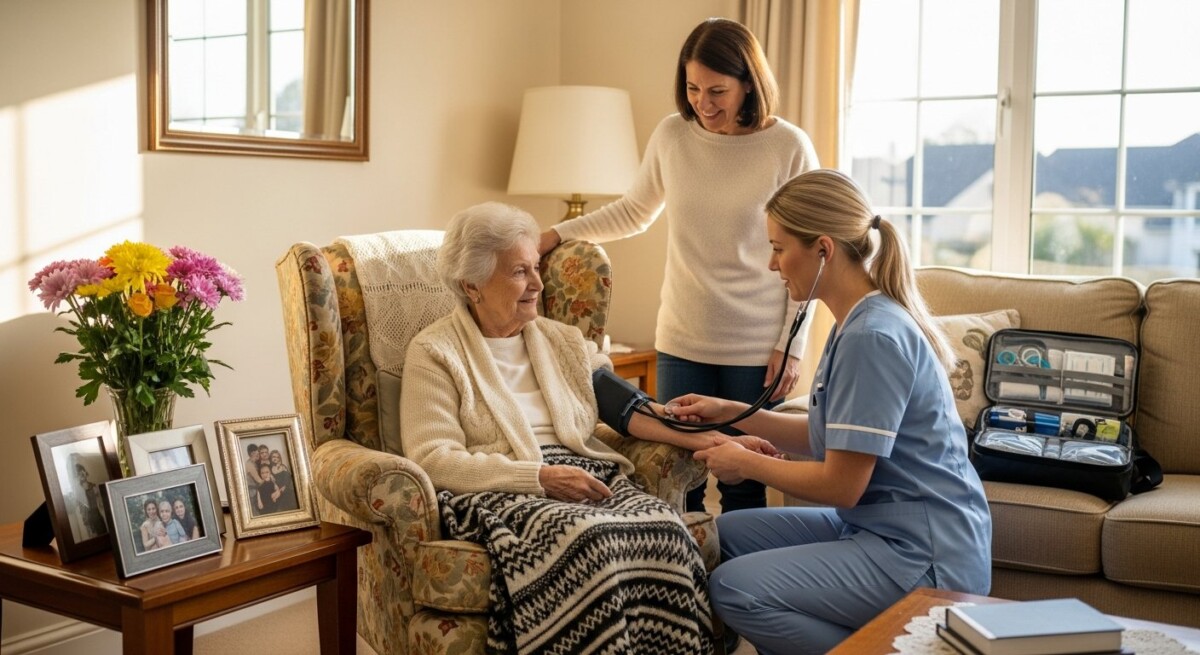
For families navigating a dementia diagnosis, the question of care is paramount. The desire to keep a loved one in the familiar, comforting surroundings of home often conflicts with the escalating medical and personal care needs that dementia brings. In-home medical care for seniors with dementia bridges this gap, offering a specialized, compassionate model that supports both the individual’s health and their dignity. This comprehensive approach goes beyond basic assistance, integrating clinical expertise with personalized strategies to manage complex symptoms, enhance safety, and provide crucial respite for family caregivers. Understanding how this care works, its benefits, and how to access it can transform the caregiving journey, making a profound difference in quality of life for everyone involved.
Understanding the Scope of In-Home Medical Dementia Care
In-home medical care for dementia is a multidisciplinary service designed to manage the unique and progressive challenges of cognitive decline within the home environment. It is distinct from non-medical home care, which focuses on companionship and activities of daily living like bathing and meal preparation. Medical care involves licensed healthcare professionals, such as registered nurses, nurse practitioners, and therapists, who provide clinical oversight and intervention. This model is built on the understanding that dementia is not just a memory disorder, it is a whole-body condition that affects physical health, behavior, and safety. The core objective is to create a stable, supportive environment that maximizes function, manages co-existing chronic illnesses, prevents hospitalizations, and delays the need for institutional care.
The care plan is highly individualized, beginning with a thorough assessment by a clinician. This assessment evaluates not only the senior’s cognitive stage using tools like the Clinical Dementia Rating scale, but also their physical health, medication regimen, home safety, nutritional status, and behavioral patterns. From this, a team develops a coordinated plan that addresses medical needs, such as wound care or diabetes management, alongside dementia-specific interventions. For instance, a nurse might help manage medications to avoid dangerous interactions that can worsen confusion, while a physical therapist could design exercises to maintain mobility and reduce fall risk. This integrated approach ensures that all aspects of the person’s well-being are addressed in concert.
Key Benefits of Receiving Specialized Care at Home
The advantages of receiving dementia-focused medical care at home are significant for both the senior and their family network. Foremost is the preservation of routine and familiarity. For a person with dementia, a predictable environment filled with personal belongings can reduce anxiety, agitation, and the phenomenon known as “sundowning.” This familiarity helps anchor their sense of self and can slow the progression of disorientation. Furthermore, in-home care minimizes the stress and disorientation caused by frequent trips to clinics or hospitals, environments that are often overwhelming and can trigger behavioral episodes. Receiving care at home also allows clinicians to observe the individual in their natural setting, providing insights into real-world challenges, such as navigating the home or meal-time behaviors, that would be invisible in a clinical visit.
For family caregivers, this model provides an essential layer of expert support and respite. The emotional and physical toll of caring for a loved one with dementia is well-documented. In-home medical professionals act as guides and partners, educating families on the disease process, communication techniques, and behavioral management strategies. They can also handle complex clinical tasks, reducing the burden on family members. This partnership helps prevent caregiver burnout, a common reason for premature nursing home placement. Ultimately, the goal is to create a sustainable care ecosystem that prioritizes the health and safety of the senior while supporting the well-being of those who love them.
Core Components of an Effective In-Home Care Plan
A robust in-home medical care plan for dementia is multifaceted, addressing the evolving needs of the disease. It is not a static document but a dynamic framework that adapts as the condition progresses. The first pillar is skilled nursing care. Nurses conduct regular health monitoring, manage wounds or post-operative care, administer injections, and oversee complex medication regimens. They are trained to recognize subtle signs of infection or pain that a person with dementia may not be able to articulate, preventing minor issues from becoming major crises. Their ongoing assessment is critical for early intervention.
The second pillar is therapeutic support. Occupational therapists play a vital role in adapting the home environment and teaching strategies to maintain independence in daily activities for as long as possible. They might recommend adaptive equipment for dressing or bathing and create cognitive exercises. Speech-language pathologists address swallowing difficulties (dysphagia), a common and dangerous complication, and work on communication strategies. Physical therapists focus on safe mobility, balance, and strength to prevent falls, a leading cause of injury and hospitalization. This therapeutic triad is essential for maintaining quality of life and physical health.
Finally, care coordination and family education form the backbone of the plan. The in-home care team often serves as the central hub, communicating with the senior’s primary care physician, neurologist, and other specialists. They ensure all providers are aligned, which is especially important when managing multiple chronic conditions alongside dementia. Equally important is empowering the family. Education might cover topics like how to respond to repetitive questions, create a daily routine, or safely manage behaviors like wandering or aggression. This knowledge transforms caregiving from a reactive to a proactive endeavor.
Navigating Challenges and Ensuring Safety at Home
Implementing in-home care for advanced dementia presents distinct challenges that require proactive planning. Safety is the foremost concern. As judgment and perception decline, the home itself can become hazardous. A comprehensive safety assessment is non-negotiable. This involves evaluating fall risks like loose rugs and poor lighting, securing potentially dangerous items (medications, cleaning supplies, tools), and considering alarms on doors to prevent wandering. Simplifying the home layout and reducing clutter can minimize confusion and agitation. In-home care professionals can conduct these assessments and recommend specific modifications, from installing grab bars to using technology like automated stove shut-off devices.
Behavioral and psychological symptoms of dementia (BPSD), such as aggression, hallucinations, or severe anxiety, are among the most difficult aspects for families to manage. An in-home medical team is trained to approach these behaviors not as intentional acts but as communication of an unmet need, whether it’s pain, fear, or overstimulation. They can develop non-pharmacological intervention plans focused on redirection, environmental adjustments, and calming techniques. When medications are necessary for safety or severe distress, the medical team can oversee their use carefully, monitoring for side effects and adjusting dosages in consultation with the physician. This clinical oversight helps avoid the overuse of antipsychotics, which carry significant risks for older adults with dementia.
How to Access and Pay for In-Home Medical Dementia Care
Understanding the pathways to access and the financial options for in-home medical dementia care is crucial for families. The process typically begins with a physician’s order for “home health care” following a hospitalization, a change in condition, or during a routine visit where needs are identified. Families can also contact Medicare-certified home health agencies directly for an evaluation. It is important to choose an agency with specific expertise in dementia care, as their staff will have specialized training. Questions to ask include: What is your experience with mid- to late-stage dementia? How do you train staff on communication and behavioral interventions? What is your protocol for emergency situations?
Payment structures vary and often involve a combination of sources. For eligible seniors, Medicare Part A and/or Part B may cover intermittent, physician-ordered skilled nursing care and therapy services if the patient is considered “homebound” and requires skilled care. However, Medicare does not cover 24-hour care, custodial care, or most personal care. Medicaid programs, which vary by state, often have broader home and community-based services (HCBS) waivers that can cover more extensive personal care assistance for low-income individuals. Long-term care insurance policies frequently include in-home care benefits, though coverage details must be verified. Veterans may qualify for aid through VA benefits. Out-of-pocket payment is another common route, and some agencies offer sliding scale fees. A financial assessment with the care agency or a geriatric care manager can help map out a viable plan. For managing the complex medication regimens that often accompany dementia, exploring a reliable 24 hour pharmacy delivery service can be an invaluable support, ensuring timely access while reducing the burden on caregivers.
Making the Decision: Is In-Home Care the Right Choice?
Determining if in-home medical care is the optimal solution requires honest assessment. It is generally most sustainable when the senior’s home can be made reasonably safe, when family caregivers have support (even if just part-time from professionals), and when the individual’s medical needs, while significant, can be managed outside a facility. It is an excellent choice for those in the mild to moderate stages of dementia and can often support individuals well into later stages with increased hours of care. However, there may come a point when 24/7 skilled supervision is required for safety, or when behaviors become too severe or medical needs too complex to manage at home, making a memory care facility a more appropriate setting.
The decision is deeply personal and should involve the senior (to the extent possible), family members, and healthcare providers. Consider creating a pros and cons list specific to your situation. Key questions include: What level of medical care is needed daily? What is the physical layout of the home, and what modifications are feasible? What is the capacity and well-being of the primary family caregiver? What financial resources are available? Engaging a geriatric care manager for a professional assessment can provide an objective perspective. Remember, choosing in-home care is not a permanent decision, it is a step in a continuum of care that can be re-evaluated as needs change. The goal is always to find the setting that provides the highest quality of life, safety, and dignity for your loved one while supporting the health of the entire family unit.
Navigating dementia is a journey no family should walk alone. In-home medical care for seniors with dementia offers a powerful, person-centered alternative that honors the individual’s history and preferences while delivering the clinical expertise the disease demands. By blending medical management with compassionate, familiar surroundings, this model can significantly reduce stress, improve health outcomes, and preserve precious moments of connection. For families facing this path, seeking information and building a knowledgeable care team are the first, most critical steps toward creating a sustainable and loving care plan.
About the Author: Jessica Martinez





Sign up for our newsletter and Save 20% on Test Kits
"*" indicates required fields