

How Virtual Doctor Visits Work for Primary Care Telemedicine
How Virtual Doctor Visits Work for Primary Care Telemedicine
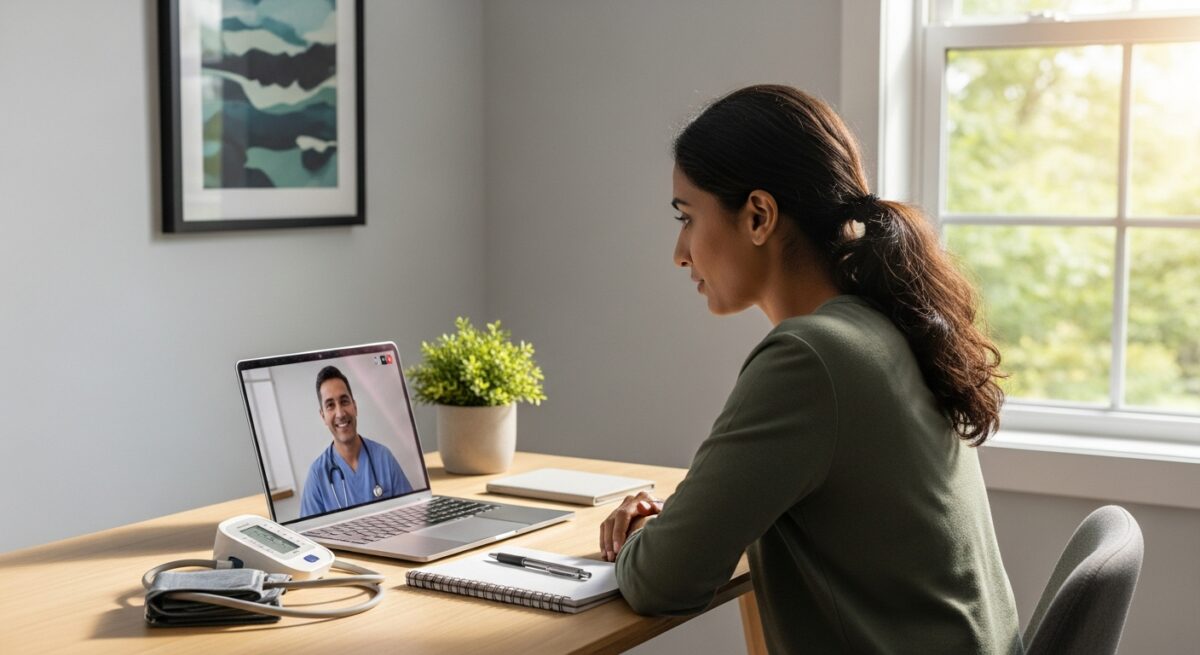
Imagine consulting with your doctor from your living room, avoiding a crowded waiting room, and receiving a diagnosis and treatment plan without leaving home. This is the reality of primary care telemedicine, a transformative approach to healthcare delivery that leverages digital technology to connect patients with licensed medical providers. Virtual doctor visits are no longer a futuristic concept but a mainstream, convenient, and effective method for managing a wide range of non-emergency health concerns. This comprehensive guide explains the mechanics, benefits, and practical steps of how virtual doctor visits work, demystifying the process for anyone considering this modern healthcare option.
The Foundation of Primary Care Telemedicine
Primary care telemedicine, often used interchangeably with telehealth for primary care, refers to the remote delivery of general healthcare services. It encompasses the diagnosis, consultation, treatment, and ongoing management of common health conditions via digital communication platforms. This model is built on secure, HIPAA-compliant software that facilitates a real-time, synchronous interaction between patient and provider, typically through video conferencing, though phone calls and secure messaging are also common. The core principle is to extend the reach of primary care physicians, nurse practitioners, and physician assistants, making routine healthcare more accessible and reducing barriers related to geography, mobility, and time.
The scope of conditions treated via primary care telemedicine is extensive. It includes acute illnesses like sinus infections, urinary tract infections, and pink eye, chronic disease management for conditions such as hypertension or diabetes (for stable patients), mental health consultations, dermatological assessments via photo upload, and prescription renewals. It is crucial to understand that telemedicine is not a replacement for all in-person care, particularly for emergencies, severe trauma, or conditions requiring a hands-on physical examination. However, for a significant portion of everyday health needs, it provides a streamlined and efficient alternative.
The Step-by-Step Process of a Virtual Visit
Understanding how virtual doctor visits work can alleviate uncertainty and help patients prepare effectively. The process is designed to be intuitive and mirrors many aspects of a traditional office visit, but within a digital framework.
First, a patient typically schedules an appointment through a platform’s website or mobile app, similar to booking online for an in-person clinic. Many services also offer on-demand visits, allowing patients to connect with the next available provider without an appointment. Before the visit, patients are usually prompted to complete digital intake forms, provide insurance information, and detail their medical history and current symptoms. This preparatory step is vital as it gives the provider crucial context before the consultation begins.
When the appointment time arrives, the patient joins a secure video call through a link sent via email or text. The provider greets the patient and conducts a verbal interview, which is the cornerstone of the telemedicine visit. They will ask about symptoms, duration, severity, and any relevant medical history. The “visual exam” component is adapted: a provider might ask the patient to show their throat, describe the color of mucus, point the camera at a rash, or use a flashlight to help illuminate an area. For situations requiring immediate care outside standard hours, patients can explore options to connect with a 24 hour telemedicine doctor online today for urgent but non-emergency concerns. Based on this assessment, the provider will discuss a diagnosis, recommend a treatment plan, which may include prescribing medication, ordering lab tests, or recommending at-home care, and determine if a follow-up or in-person referral is necessary. The entire encounter is documented in a secure electronic health record.
Technology and Platform Requirements
Participating in a virtual visit requires minimal but specific technology. Patients need a reliable internet connection and a device with a camera, microphone, and speaker, such as a smartphone, tablet, or computer. Most platforms are accessible through a web browser, though many offer dedicated apps for a smoother experience. Privacy is paramount; patients should choose a quiet, private location for the consultation to ensure confidentiality. The platforms themselves are built with end-to-end encryption and comply with strict healthcare privacy laws to protect patient data, making the interaction as secure as a conversation in a physical exam room.
Key Benefits and Advantages of Telehealth for Primary Care
The adoption of primary care telemedicine is driven by its compelling advantages for patients, providers, and the healthcare system at large. These benefits extend far beyond mere convenience, addressing core issues of access, cost, and efficiency.
Enhanced access is perhaps the most significant benefit. Telehealth eliminates geographical barriers, providing quality care to patients in rural or underserved areas. It also benefits those with mobility challenges, transportation limitations, or demanding schedules that make traditional office visits difficult. The convenience factor cannot be overstated: no commute, no waiting room time, and minimal disruption to work or family life. This often leads to increased engagement with healthcare, as patients are more likely to seek timely advice for minor issues before they escalate.
From a cost perspective, telemedicine can be more affordable. Many insurance plans now cover telehealth visits, often at a lower copay than an in-office visit. For the uninsured, cash prices for virtual consultations are frequently lower than urgent care or emergency room visits for comparable issues. Furthermore, patients save on indirect costs like transportation, parking, and lost wages. For the healthcare system, telemedicine can reduce overhead costs for practices and decrease unnecessary emergency department utilization, freeing up critical resources for true emergencies.
To summarize the core patient benefits:
- Unmatched Convenience: Receive care from home, work, or anywhere with privacy and an internet connection.
- Expanded Access: Connect with providers regardless of physical location, overcoming distance and mobility hurdles.
- Time Efficiency: Eliminate travel and waiting room time, with many consultations lasting 15 minutes or less.
- Potential Cost Savings: Lower visit fees and eliminated ancillary costs like travel and childcare.
- Continuity of Care: Many platforms allow you to see your regular primary care provider, maintaining an established patient-doctor relationship.
These advantages collectively contribute to a more patient-centered model of care, putting control and flexibility back into the hands of the individual.
Integrating Telemedicine into Comprehensive Health Management
Primary care telemedicine is most powerful when integrated into a holistic health management strategy. It is not an isolated service but a tool that works in concert with other healthcare innovations. For instance, many platforms now seamlessly integrate with digital pharmacies for direct prescription delivery and with at-home testing kit services. A provider can order a lab test during a virtual visit, the patient can complete the test at home, and the results are digitally transmitted back to the provider for follow-up analysis, all without setting foot in a lab. This creates a closed-loop, patient-managed healthcare cycle.
Chronic disease management is another area where telehealth shines. Patients with stable conditions like diabetes, hypertension, or high cholesterol can have regular check-ins via video to review symptoms, discuss home monitoring data (like blood glucose or blood pressure logs), and adjust medications. This facilitates more frequent touchpoints and better adherence to treatment plans. Furthermore, the rise of hybrid care models, where patients use a mix of in-person and virtual visits based on need, represents the future of primary care. A patient might have an annual physical in person but use telemedicine for a sinus infection follow-up or a medication review, creating a flexible and responsive care relationship.
Frequently Asked Questions About Virtual Doctor Visits
Is telemedicine as effective as an in-person visit for primary care?
For many common conditions, yes. Studies have shown that outcomes for issues like urinary tract infections, respiratory infections, and routine follow-ups are comparable to in-person care. The effectiveness hinges on accurate patient reporting and the provider’s ability to conduct a thorough verbal and visual assessment. Conditions requiring a hands-on physical exam, complex diagnostic procedures, or emergency intervention are not suitable for telemedicine.
Can I get a prescription through a telemedicine visit?
Yes, licensed providers can prescribe medications during a virtual visit when clinically appropriate. This includes antibiotics for infections, refills for chronic medications, and treatments for conditions like allergies. However, providers cannot prescribe controlled substances (like certain pain medications) via telemedicine in most cases due to federal regulations. Prescriptions are sent electronically to the pharmacy of your choice.
How do I know if my insurance covers telemedicine?
Coverage has expanded dramatically. The best practice is to check directly with your insurance provider. Most insurers have a dedicated webpage explaining their telehealth benefits. When using a platform like Doctors Home, they often provide clear information on accepted insurance plans and self-pay options.
What if I have a technical problem during my visit?
Reputable platforms have customer support teams available to help with connectivity, audio, or video issues before and during scheduled visits. It’s advisable to log in a few minutes early to test your equipment. If a connection fails, the provider will typically attempt to contact you via phone to continue the consultation or reschedule.
Are telemedicine visits private and secure?
Legitimate telemedicine services use HIPAA-compliant, encrypted software specifically designed for healthcare communications. This ensures that your video, audio, and personal health information are protected. Always verify that a platform states its compliance with HIPAA privacy and security rules.
The landscape of primary care is evolving, and telemedicine is a central pillar of this transformation. By understanding how virtual doctor visits work, patients can confidently leverage this technology to take a more active, convenient, and informed role in managing their health. It represents a shift towards healthcare that fits into modern life, prioritizing accessibility without compromising on quality of care.
About the Author: Olivia Bennett




Sign up for our newsletter and Save 20% on Test Kits
"*" indicates required fields