
How to Talk to a Doctor Online Free: Options and Key Limitations
How to Talk to a Doctor Online Free: Options and Key Limitations
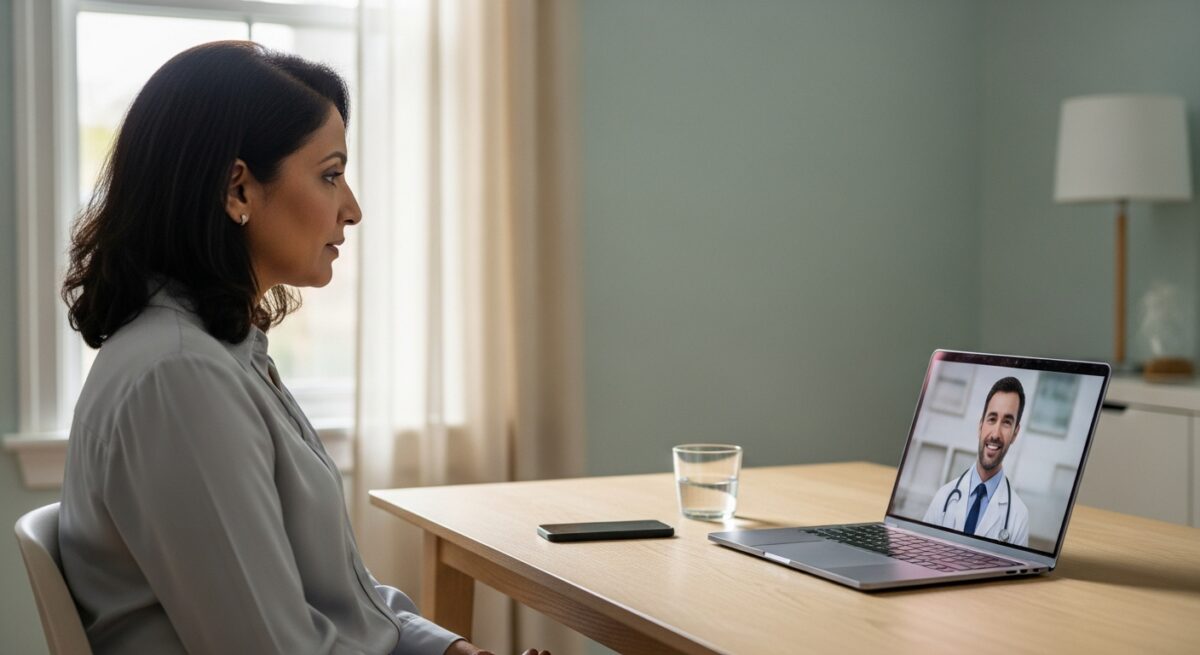
Navigating the world of online healthcare can be confusing, especially when you’re looking for a free consultation. The promise of “talk to a doctor online free” is a powerful one, offering the potential for immediate, convenient, and cost-free medical advice. While legitimate options exist, understanding the landscape, including its significant limitations, is crucial for making safe and effective healthcare decisions. This guide will explore the various pathways to free online medical consultations, the realistic scope of these services, and the critical boundaries every patient should know.
Understanding the Free Telemedicine Consultation Landscape
The concept of a free telemedicine consultation is not a monolith. It encompasses a range of models, each with its own operational framework and funding source. Generally, these services are not charitable endeavors but are part of broader business strategies. Some are offered as a loss leader to attract customers to a pharmacy or insurance plan, while others are subsidized by employers or included as a perk within certain membership models. Public health initiatives and university hospital programs may also provide limited free access to serve specific communities. The key takeaway is that “free” almost always has a context, and that context defines the service’s limitations, from the conditions treated to the credentials of the provider.
It is also vital to distinguish between a full medical consultation and a preliminary screening or health information session. Many platforms that advertise free access may only offer a brief chat with a nurse or health advisor, not a diagnosis or treatment plan from a licensed physician. The quality and depth of a free service can vary dramatically. Before engaging, patients should verify the licensing of the healthcare professionals involved and understand exactly what the free tier includes. This foundational knowledge helps set appropriate expectations and prevents frustration when seeking care for specific health concerns.
Common Avenues for Free Online Doctor Talks
Several specific avenues can provide a pathway to a free conversation with a medical professional online. The most reliable and comprehensive free access is typically tied to existing healthcare coverage. Many private health insurance plans, as well as Medicare Advantage and some Medicaid plans, have integrated telemedicine benefits that charge $0 copays for virtual visits. This is often the best way to receive full-service care from in-network doctors without direct cost. Similarly, many employers offer Employee Assistance Programs (EAPs) that include a limited number of free mental health or general medical consultations as a benefit.
Outside of insurance, other models exist. Some digital healthcare platforms and pharmacy chains offer a first-time user promotion, such as a free initial visit to acquire a new customer. Certain non-profit organizations and community health centers run telehealth programs for underserved populations, offering services on a sliding scale that can include free care. Furthermore, university medical centers sometimes provide free telehealth sessions as part of training or research studies. It’s important to research each option thoroughly, as the availability of licensed physicians, prescription capabilities, and follow-up care can differ.
Key Questions to Ask Before a Free Consultation
To ensure you are using a safe and legitimate service, ask these questions beforehand. Is the provider licensed in your state? What are their medical credentials (MD, DO, NP, PA)? What is the exact scope of the free service (time limit, conditions covered)? What is the platform’s privacy and data security policy? How does the service handle emergencies or situations requiring in-person care? Getting clear answers will help you avoid platforms that may be ineffective or unsafe.
Significant Limitations and Realistic Expectations
The limitations of free online doctor services are substantial and directly impact the type of care you can receive. First and foremost is diagnostic limitation. A virtual doctor cannot perform a physical exam. They cannot listen to your heart or lungs, palpate your abdomen, look into your ears or throat (unless you have a high-quality camera and can position it correctly), or conduct neurological tests. This makes them unsuitable for a vast array of conditions, including abdominal pain, chest pain, injuries requiring assessment of range of motion, new lumps or bumps, and many pediatric illnesses.
Secondly, there are strict regulatory and safety limitations on what can be prescribed. Controlled substances (like opioids, ADHD medications) are almost never prescribed via free or even paid telemedicine platforms without an established, in-person patient relationship. States have varying laws about prescribing antibiotics, and responsible platforms will not prescribe them without a strong clinical indication, which often requires diagnostic testing. Furthermore, free services typically focus on a narrow range of low-acuity, straightforward conditions. For a deeper dive into how virtual care functions within these boundaries, our guide on how virtual care works explains the clinical and technological framework.
The scope of free consultations is often intentionally limited. You might encounter time restrictions (e.g., a 10-minute chat), restrictions on the conditions discussed (only cold/flu, UTI, skin rash), or a prohibition on issuing prescriptions at all. The goal of the free tier is often triage or simple advice, not comprehensive management. Continuity of care is another major limitation. Free services are often structured as one-off interactions with random available doctors. You are unlikely to see the same provider twice, which is detrimental for managing chronic conditions like diabetes, hypertension, or mental health issues that require ongoing, personalized care.
When Free Online Medical Advice Is Appropriate
Given these limitations, there are specific scenarios where seeking a free online doctor consultation is a reasonable and efficient choice. These are generally for minor, uncomplicated health issues where a visual assessment or detailed history is sufficient. Common appropriate uses include seeking advice for mild allergic reactions (like seasonal allergies or mild skin rashes), uncomplicated urinary tract infection (UTI) symptoms in otherwise healthy women, prescription refills for non-controlled medications for stable conditions (like birth control or thyroid medication), and follow-up discussions on already-diagnosed simple conditions. They can also be excellent for obtaining basic health information and determining if an in-person visit is warranted.
For example, if you have a recurring, diagnosed skin condition like eczema and need a refill for your cream, a free telemedicine consultation could be perfect. Similarly, if you have questions about managing mild COVID-19 symptoms at home based on current CDC guidelines, a virtual visit can provide clear instructions. The service acts as a convenient channel for low-risk, discrete healthcare needs, saving you time and potentially a copay. However, it should never replace established care for serious or chronic issues.
Red Flags and Safety Considerations
As you explore options to talk to a doctor online free, your safety must be the top priority. Be highly skeptical of any service that guarantees a prescription, especially for antibiotics or controlled substances, before you even speak to a provider. This is a sign of unethical practice. Avoid platforms that do not clearly display the licensing information and credentials of their healthcare professionals. If you cannot easily find the names and state licenses of the doctors or nurse practitioners, steer clear.
Be wary of services that ask for excessive personal information beyond what is needed for a medical consultation, or those with vague or non-existent privacy policies. Your health information is sensitive data. A legitimate platform will use HIPAA-compliant, encrypted video and messaging software. Finally, any platform that does not ask for or consider your detailed medical history, current medications, and allergies is not providing adequate care. A proper medical consultation, even if free and brief, requires this foundational information to avoid harmful interactions and misdiagnoses.
Frequently Asked Questions
Can I really get a prescription for free through these services?
It depends entirely on the service and the condition. Some free services do not prescribe at all. Those that do typically only prescribe for a very limited set of non-controlled medications (like topical creams, certain antibiotics for straightforward UTIs, or allergy medications) after a qualified provider deems it medically appropriate. You should never expect or demand a prescription.
Are free online doctors legitimate and licensed?
Reputable platforms employ fully licensed doctors, nurse practitioners, or physician assistants who are credentialed to practice in your state. However, not all platforms are reputable. It is your responsibility to verify this information on the platform’s website before using the service.
What is the difference between free telemedicine and paid telemedicine?
Paid telemedicine services (like those offered by Doctors Home or included in your insurance) typically provide a broader scope of care. You often get longer consultation times, access to a wider network of providers for specific specialties (like dermatology), the ability to manage more complex conditions, and integrated services like prescription fulfillment and at-home test kits. The paid model supports a sustainable, full-service healthcare experience.
Is my information safe with a free service?
Only if the service uses HIPAA-compliant technology and has a transparent privacy policy. Many free apps and websites monetize user data. Carefully read the privacy policy to understand how your health data is used, stored, and potentially shared.
When should I absolutely avoid a free online doctor and seek in-person care immediately?
You should go to an emergency room or urgent care center for any symptoms of a serious condition, including chest pain, difficulty breathing, severe abdominal pain, sudden weakness or numbness, high fever with a stiff neck, severe injury, bleeding that won’t stop, or suicidal thoughts. Free online services are not for emergencies.
Exploring ways to talk to a doctor online free can be a useful component of a modern healthcare strategy, but it must be done with clear eyes. These services excel at providing convenient access for minor, episodic concerns and can serve as a helpful triage tool. However, their limitations in diagnostics, prescribing, and continuity of care are real and significant. They are a supplement to, not a replacement for, a relationship with a primary care physician and necessary in-person medical evaluations. By understanding both the genuine opportunities and the firm boundaries of free telemedicine consultations, you can make informed decisions that prioritize your health, safety, and long-term well-being in the digital age.
About the Author: Megan Patel




Sign up for our newsletter and Save 20% on Test Kits
"*" indicates required fields