
How to Get Tested for STDs Without Parents Knowing
How to Get Tested for STDs Without Parents Knowing
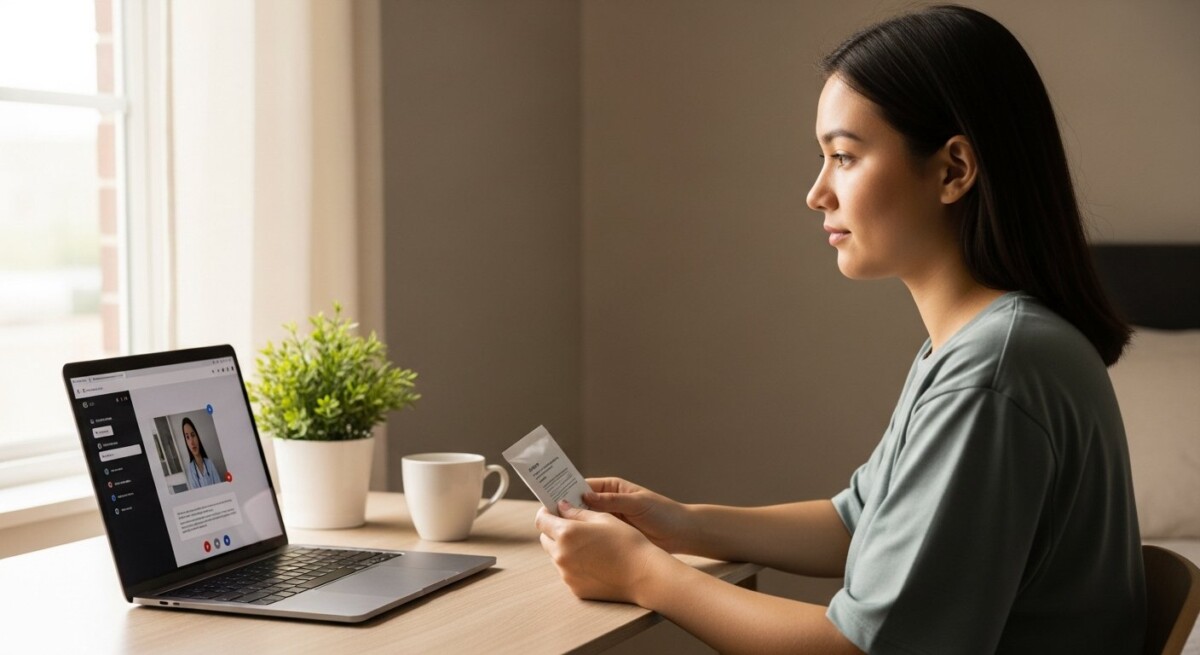
Taking control of your sexual health is a responsible and empowering step, but it can feel complicated when you are a minor or on a parent’s health insurance plan. Many young people worry about privacy, cost, and whether their parents will find out. The good news is that there are several confidential pathways to get tested for sexually transmitted diseases (STDs) without your parents knowing. This guide explains your options, the legal landscape, and how to use services like at-home testing kits to protect your health discreetly.
Sexual health is a private matter, and you have the right to seek care without fear of judgment or unwanted disclosure. Whether you are sexually active or simply want peace of mind, understanding how to get tested for STDs without your parents knowing is a crucial first step. The process involves knowing your state’s laws, choosing the right testing method, and managing any paper trail that might alert your parents. Let’s break down each part so you can make an informed decision.
Understanding Your Legal Rights as a Minor
Your ability to get tested for STDs without parental consent depends largely on where you live. In the United States, all 50 states and the District of Columbia allow minors to consent to STD testing and treatment without a parent’s permission. This is because STDs are considered a public health concern, and states want to remove barriers to care. However, the age at which you can fully consent and the specific rules about insurance billing vary.
For example, some states set the age of consent for STD services at 12, while others set it at 14 or 16. Regardless of the exact age, the principle is the same: you can walk into a clinic or order an at-home test and receive services confidentially. The key issue is not the test itself but how it is paid for. If you use your parent’s health insurance, the explanation of benefits (EOB) or billing statement may be sent to your home, revealing the test. Understanding this detail is essential for maintaining privacy.
What Is an Explanation of Benefits (EOB)?
An EOB is a document that health insurance companies send to the policyholder after a medical service is billed. It lists the service provided, the date, and the amount paid. If you are on your parent’s insurance, they are the policyholder, and they may receive an EOB for your STD test. To avoid this, you have a few options:
- Use a free or low-cost clinic: These clinics often provide sliding-scale fees based on income and do not bill insurance.
- Pay out of pocket: If you have cash or a debit card, you can pay for the test directly without involving insurance.
- Request confidential billing: Some clinics can bill your insurance in a way that hides the specific service, but this is not guaranteed.
It is important to ask the clinic or testing service directly about their billing practices. Many public health departments and Title X family planning clinics are specifically designed to serve minors confidentially. They will not send bills or EOBs to your home if you explain your situation.
Where to Get Tested Discreetly
There are three main places to get an STD test: a doctor’s office or clinic, a public health department, or an at-home testing kit. Each has its own privacy advantages. For those who want maximum control, at-home testing is often the most discreet option because there is no paper trail and no need to visit a facility in person.
Public health departments and community health centers are excellent choices because they are accustomed to serving patients who need confidentiality. They often have programs specifically for teens and young adults. Planned Parenthood is another well-known resource that provides confidential STD testing and treatment on a sliding fee scale. You can call ahead to ask about their privacy policies and whether they require any form of parental consent for your age group.
Using At-Home STD Test Kits for Maximum Privacy
At-home STD test kits have become increasingly popular because they allow you to collect your sample in private and mail it to a lab. You receive your results online or by phone, often within a few days. This method eliminates the need to visit a clinic, which can be a barrier for many people. If you are wondering how to get tested for STDs without your parents knowing, an at-home kit is one of the most straightforward solutions.
DoctorsHome offers a range of at-home testing kits that include STD/STI panels. These kits are shipped in discreet packaging, and the entire process can be completed without anyone else knowing. You simply order the kit online, provide a sample (usually urine or a finger prick), and mail it to the lab using a prepaid envelope. Results are delivered securely through a confidential online portal. This approach is ideal for those who want to avoid awkward conversations or logistical challenges.
If you are interested in other types of testing, you can also explore our guide on Your Guide to At Home Hormone Test Kits and Results for broader health insights. However, for STD-specific needs, the at-home kits are a direct and private option.
Managing the Cost and Payment
Cost is often a major concern for young people. STD testing can range from free to over $200 depending on the provider and the number of infections screened. If you are paying out of pocket, at-home kits from DoctorsHome are competitively priced and include all lab fees and shipping. This means no surprise bills later.
If you choose to visit a clinic, many offer free or low-cost testing for teens. Title X clinics, which are federally funded, provide confidential family planning services including STD testing at reduced rates. You can find a Title X clinic near you by searching online. Another option is to use a local health department, which often has walk-in hours and does not require insurance.
It is also worth noting that some states allow minors to apply for Medicaid or other public insurance programs that cover STD testing without parental notification. If you are financially independent or have a part-time job, you can also consider using a prepaid debit card to pay for services without linking back to your parents.
What to Do If You Test Positive
Testing positive for an STD can be scary, but it is important to remember that most STDs are treatable or manageable. If your test comes back positive, you will need treatment. For bacterial infections like chlamydia and gonorrhea, antibiotics are effective and often available as a single dose. For viral infections like herpes or HIV, there are medications that control symptoms and reduce transmission risk.
If you used an at-home test kit, the lab or the platform will provide guidance on next steps. Many services include a free consultation with a healthcare provider who can prescribe treatment. This is where telemedicine platforms like DoctorsHome become valuable. You can have a virtual visit with a licensed provider who can review your results, answer questions, and prescribe medication if needed. The medication can be shipped to your address in discreet packaging, maintaining your privacy throughout the process.
If you prefer in-person care, you can return to the clinic where you were tested. They will often provide treatment on-site or refer you to a partner clinic. It is crucial to complete the full course of treatment and notify any sexual partners so they can also get tested. This is a responsible step that helps prevent reinfection and protects your community.
Frequently Asked Questions
Can I get an STD test without my parents knowing if I am under 18?
Yes, in almost all states, you can consent to STD testing and treatment without parental permission. The specific age varies, but most states allow minors as young as 12 to 14 to seek these services confidentially.
Will my parents find out if I use their health insurance?
Possibly. If your parents receive an explanation of benefits (EOB) in the mail, it may list the STD test as a service. To avoid this, use a free clinic, pay out of pocket, or use an at-home test kit that does not involve insurance.
How much does an at-home STD test cost?
Prices vary, but many at-home kits range from $50 to $200 depending on the number of infections tested. DoctorsHome offers competitive pricing with no hidden fees, and the cost includes lab analysis and shipping.
How long does it take to get results from an at-home test?
Most at-home STD test kits provide results within 2 to 5 business days after the lab receives your sample. Results are typically delivered through a secure online portal or email.
What if I test positive? Can I get treatment confidentially?
Yes. Many at-home testing services, including those offered by telemedicine platforms, include a follow-up consultation with a healthcare provider who can prescribe treatment. Medications can be shipped discreetly to your address.
Taking charge of your sexual health is a sign of maturity, not something to be ashamed of. Whether you choose an at-home test kit, a public clinic, or a telemedicine visit, there are many ways to get tested without your parents knowing. The most important thing is to get tested if you are sexually active or have had a potential exposure. Early detection and treatment protect your health and the health of your partners. If you are unsure where to start, consider an at-home kit from a trusted provider like DoctorsHome. It offers the highest level of privacy and convenience, allowing you to take control of your health on your own terms. Remember, you are not alone, and there are resources available to help you every step of the way. Learn more
About the Author: Natalie Carter



Sign up for our newsletter and Save 20% on Test Kits
"*" indicates required fields