

How to Get an Online Doctor Consultation Without Insurance
How to Get an Online Doctor Consultation Without Insurance
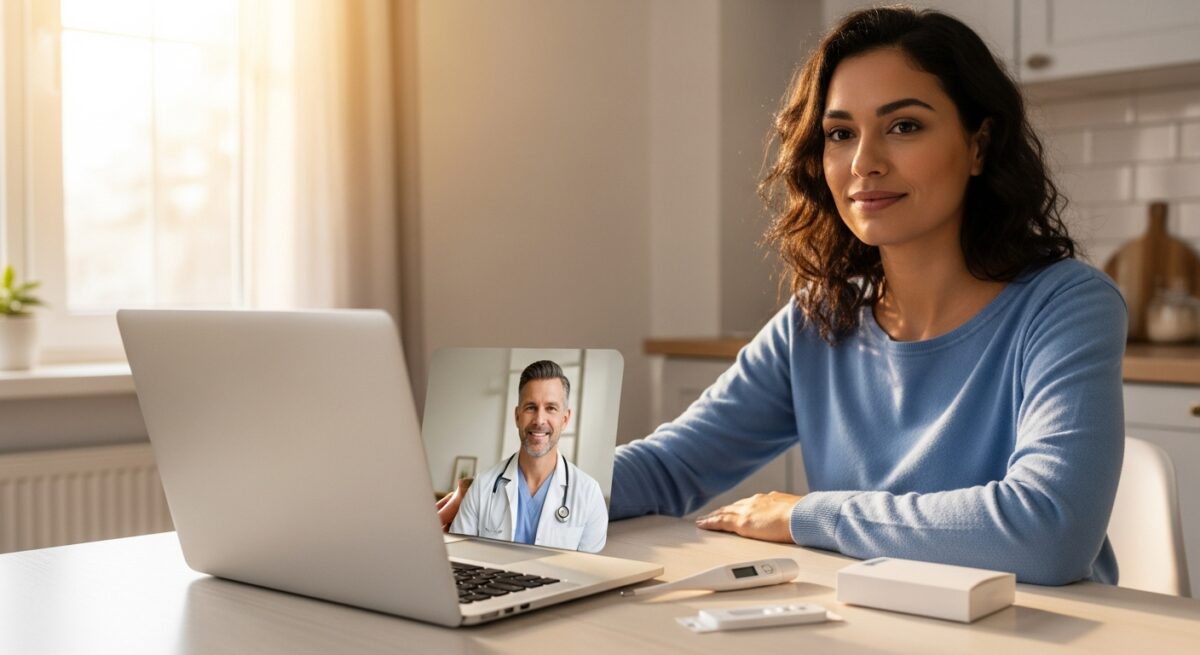
For millions of Americans, the lack of health insurance creates a significant barrier to basic medical care. The fear of exorbitant bills can lead to delaying necessary consultations, allowing minor issues to become serious health problems. However, the rise of telemedicine has fundamentally changed this dynamic, offering a practical and often affordable pathway to see a doctor. An online doctor consultation without insurance is not only possible but is becoming a preferred first step for managing non-emergency health concerns, providing a clear, upfront cost structure that traditional in-person visits often lack. This model of care demystifies the financial aspect of healthcare, putting you in control of your health decisions without the shadow of unpredictable insurance deductibles or co-pays.
The Financial Reality of Uninsured Care
Navigating healthcare costs without insurance can feel daunting. A traditional urgent care visit can easily cost hundreds of dollars for a simple consultation, and a trip to the emergency room for a non-life-threatening issue can result in bills in the thousands. This pricing opacity often discourages people from seeking care until a situation becomes critical. In contrast, telemedicine platforms operate on a direct-to-consumer model for those without coverage. You pay a single, transparent fee for the consultation itself. This fee typically covers the virtual visit with a licensed healthcare provider and often includes any follow-up communication within a specific timeframe, such as 24 to 72 hours. There are no hidden facility fees, no surprise charges for basic services, and the price is known before you confirm the appointment. This predictability is a core advantage of seeking a doctor consultation online with no insurance.
How Online Consultations Work for the Uninsured
The process for an uninsured patient is streamlined and user-centric. First, you choose a reputable telemedicine service, like Doctors Home, that clearly states its pricing for self-pay patients. You then create an account and complete a detailed medical intake form, which serves as your “chart” for the provider. Next, you select an available appointment time or, on many platforms, enter a virtual waiting room for an on-demand visit. The consultation itself takes place via secure video, phone, or even text-based chat, depending on the platform and your preference. During this visit, you discuss your symptoms, medical history, and concerns with the provider just as you would in a physical office. The provider will assess your condition, provide a diagnosis, and discuss a treatment plan. If a prescription is medically appropriate, it can be sent electronically to your pharmacy of choice. You pay the platform’s stated consultation fee directly, usually by credit or debit card, at the time of booking or after the visit.
Common conditions perfectly suited for this model include:
- Respiratory infections (sinusitis, bronchitis, strep throat)
- Urinary tract infections (UTIs)
- Skin conditions (rashes, acne, eczema)
- Allergies and asthma management
- Mental health concerns (anxiety, depression, for therapy and medication management)
- Prescription refills for stable chronic conditions
- Minor injuries and follow-ups
Cost Comparison: Telemedicine vs. Traditional Care
When evaluating the cost of an online doctor consultation without insurance, it’s essential to compare it to the real-world alternatives. The average cost of a telehealth visit for common conditions ranges from $40 to $80, with some services offering subscriptions for even lower per-visit fees. An in-person visit to a primary care physician for a self-pay patient can range from $100 to $250 or more, not including any tests or procedures. Urgent care centers often charge between $150 and $300 for a basic evaluation. The emergency room, for issues that are not true emergencies, can lead to bills starting at $500 and soaring from there. For prescription needs, the process is also streamlined. A platform like Doctors Home can facilitate getting a prescription through a virtual doctor consultation for eligible conditions, often at a known cost that includes the medical evaluation. This is far more efficient and predictable than an uninsured in-person visit solely for a prescription renewal.
Maximizing the Value of Your Virtual Visit
To get the most out of your online consultation, preparation is key. Treat it with the same seriousness as an in-person appointment. Before your visit, write down a clear list of your symptoms, including when they started, their severity, and anything that makes them better or worse. Have a list of any medications or supplements you are currently taking, including dosages. Know your vital signs if possible, such as your temperature if you have a fever. Be ready to describe your medical history concisely. During the consultation, be honest and thorough in your descriptions. Don’t minimize your symptoms. Ask questions about the diagnosis, the treatment plan, and what warning signs should prompt you to seek in-person care. A good virtual provider will give you clear “red flag” symptoms to watch for. Also, understand the platform’s follow-up policy. Know how you can reach out if your condition doesn’t improve as expected, and whether there is an additional cost for that follow-up communication.
Understanding the Limits and Safety Protocols
While incredibly useful, telemedicine has clear boundaries. It is not a replacement for emergency care. Severe chest pain, difficulty breathing, significant trauma, stroke symptoms, or any other potentially life-threatening condition require an immediate call to 911 or a visit to the nearest emergency room. Virtual providers are trained to screen for these emergencies and will direct you to seek immediate in-person care if needed. Furthermore, certain conditions require a physical examination, diagnostic tests like blood work or imaging, or hands-on procedures that cannot be done remotely. A responsible telemedicine provider will recognize these limits and refer you to an appropriate local clinic, lab, or specialist. The goal is to provide care where it is safe and effective to do so remotely, and to guide you to the right level of in-person care when it is not.
Navigating Prescriptions and Pharmacy Costs
One of the most common reasons people seek a doctor consultation online with no insurance is to obtain necessary prescriptions. Licensed telemedicine providers can prescribe a wide range of medications for conditions they can diagnose remotely. However, it’s crucial to remember that the consultation fee typically covers only the medical evaluation and the act of prescribing. The cost of the medication itself is separate and paid directly to the pharmacy. To manage this, discuss medication cost with your provider. They can often prescribe generic alternatives, which are significantly less expensive. You can also use prescription discount apps or pharmacy membership programs (like those offered by major chains) to lower your out-of-pocket drug costs. Some telemedicine platforms have partnerships with pharmacies or offer integrated discount cards to help mitigate this expense.
Frequently Asked Questions
Is an online doctor consultation without insurance legitimate? Absolutely. You are consulting with licensed, board-certified healthcare professionals (doctors, nurse practitioners, or physician assistants) who are practicing within the regulations of their state. The prescriptions they write are valid and can be filled at any licensed pharmacy.
Can I get any prescription through telemedicine? No. Controlled substances (like certain ADHD medications or strong painkillers) are heavily regulated and generally cannot be prescribed via a first-time telemedicine visit. Medications that require ongoing monitoring or in-person testing also may not be suitable. Providers prescribe only when it is safe, appropriate, and legally permitted.
What if I need a lab test? Many telemedicine platforms can order lab tests for you. You would pay for the test separately at a partnered lab drawing station (like Quest or LabCorp). The provider then reviews the results with you virtually. Some services also offer at-home testing kits for specific conditions.
Can I use telemedicine for chronic conditions? Yes, for management and prescription refills of stable chronic conditions like hypertension, diabetes, or thyroid disorders. However, initial diagnosis and complex management often require in-person visits and testing. Telemedicine serves as an excellent tool for convenient follow-up care.
Are these consultations confidential? Reputable platforms use HIPAA-compliant, secure technology to protect your health information. Your medical details are private and are not shared without your consent, just as in a traditional doctor’s office.
The landscape of healthcare access is evolving. An online doctor consultation without insurance is a powerful tool that prioritizes convenience, transparency, and patient empowerment. It removes the financial guesswork and logistical hurdles that often prevent people from seeking timely medical advice. By understanding how it works, its appropriate uses, and its cost-saving potential, you can make informed decisions about your health without the prerequisite of an insurance card. This model represents a significant step toward democratizing basic healthcare, ensuring that quality medical guidance is just a click away for everyone, regardless of their insurance status.
About the Author: Rachel Nguyen




Sign up for our newsletter and Save 20% on Test Kits
"*" indicates required fields