

How to Check Iron Levels at Home With an Anemia Test Kit
How to Check Iron Levels at Home With an Anemia Test Kit
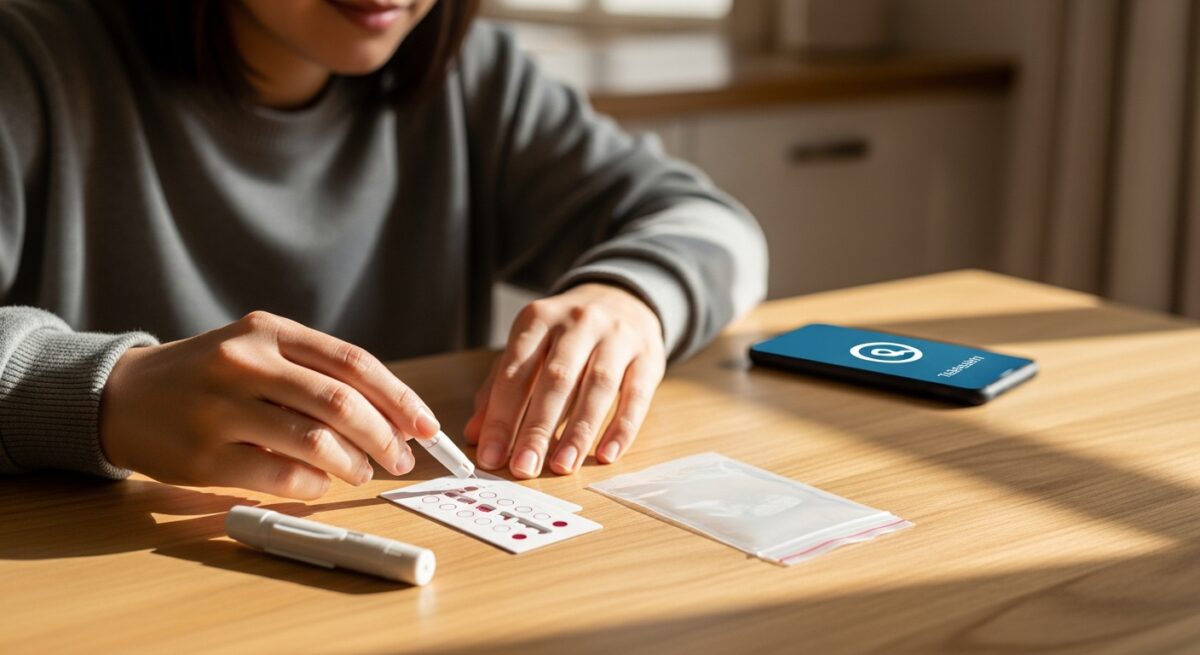
Feeling persistently tired, weak, or noticing unusual paleness might be more than just a sign of a busy life. These are classic symptoms of anemia, a condition where your body lacks enough healthy red blood cells or hemoglobin to carry adequate oxygen to your tissues. While a formal diagnosis requires a doctor, the ability to conduct an initial anemia test at home has become a powerful tool for proactive health management. Understanding how to check iron levels from the comfort of your home empowers you to take the first step, gather valuable data, and seek professional guidance with context. This guide delves into the practicalities, accuracy, and next steps surrounding at-home anemia testing.
Understanding Anemia and the Role of Iron
Anemia is not a single disease but a condition with multiple potential causes. The most common type worldwide is iron-deficiency anemia, which occurs when your body doesn’t have enough iron to produce hemoglobin. Hemoglobin is the protein in red blood cells that binds to oxygen in your lungs and carries it throughout your body. Without sufficient iron, this process is impaired, leading to the hallmark symptoms of fatigue, shortness of breath, dizziness, and cold hands and feet. Other causes include vitamin deficiencies (like B12 or folate), chronic diseases, genetic disorders, or blood loss. Therefore, checking iron levels is a crucial, but not exclusive, part of investigating potential anemia. An at-home anaemia test at home typically focuses on biomarkers related to iron deficiency, providing a snapshot of your iron status.
Types of At-Home Anemia Tests Available
The landscape of direct-to-consumer health testing has expanded significantly. When it comes to evaluating your iron status for potential anemia, you generally encounter two main types of at-home tests. The first is the finger-prick blood sample kit. This is the most common format for an anemia test at home. You use a provided lancet to prick your finger, collect a few drops of blood on a test card or in a small vial, and then mail the sample to a certified laboratory for analysis. These tests often measure key biomarkers like ferritin (which indicates your body’s iron stores), serum iron, total iron-binding capacity (TIBC), and sometimes hemoglobin or hematocrit. The second type is a rapid, qualitative test strip that checks hemoglobin levels from a finger-prick sample, providing results in minutes similar to a blood glucose monitor. However, for a comprehensive view of your iron levels, the lab-analyzed kits are generally more reliable and informative.
What These Tests Measure and What the Results Mean
Receiving a report from an at-home test can be confusing without context. Here is a breakdown of common biomarkers and their significance. Ferritin is your body’s primary iron storage protein; low ferritin is the earliest and most specific indicator of iron deficiency. Serum iron measures the amount of iron circulating in your blood, but it can fluctuate daily. Total Iron-Binding Capacity (TIBC) reflects how much transferrin (the transport protein) is available to carry iron; it increases when iron stores are low. Hemoglobin (Hgb) is the oxygen-carrying protein; low levels define anemia. Hematocrit (Hct) is the percentage of your blood made up of red blood cells. A doctor interprets these values together. For instance, low ferritin with high TIBC strongly suggests iron deficiency, even if hemoglobin is still normal (a state called latent iron deficiency). An at-home anaemia test at home provides this data, but a healthcare professional is essential for a definitive diagnosis and to rule out other causes.
A Step-by-Step Guide to Using an At-Home Anemia Test Kit
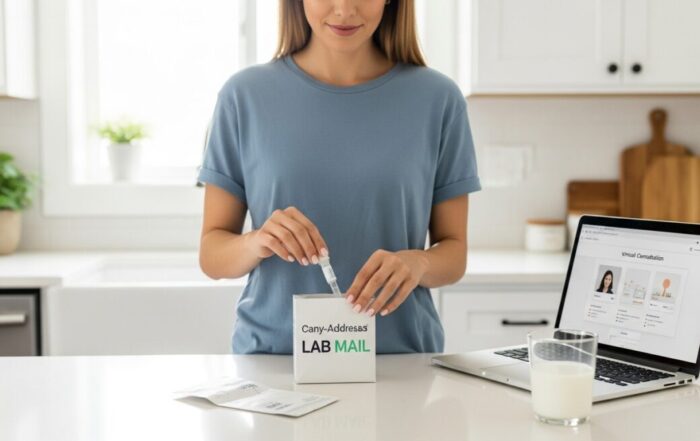
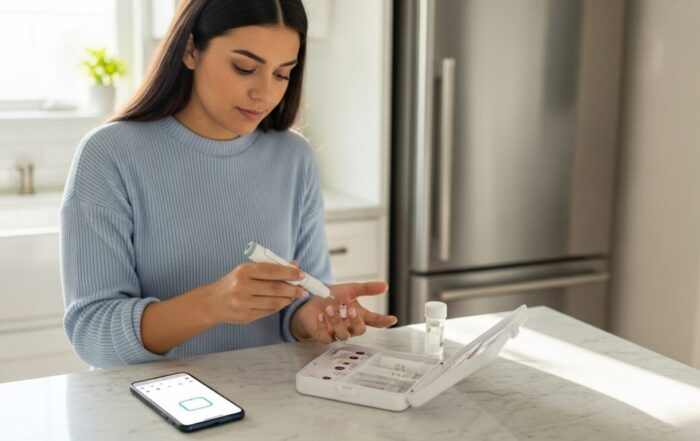
If you decide to use an at-home kit, following the instructions meticulously is key to obtaining an accurate sample. While kits vary, the process generally follows a standard sequence. First, ensure you register your kit online with the provider, as this links your sample to your personal profile. Gather all components, typically a lancet, collection card or vial, antiseptic wipe, bandage, and a prepaid return mailer. Wash your hands with warm water to increase blood flow and dry them thoroughly. Use the provided lancet on the side of your fingertip, wipe away the first drop of blood with clean gauze, and then gently milk your finger to form a large drop. Carefully collect the blood onto the designated area of the test card or fill the vial to the indicated line. Secure the sample, apply a bandage, and place it in the return mailer. Finally, mail it back promptly, as delays can affect sample integrity.
To ensure the most accurate results from your anemia test at home, consider these best practices. It is often recommended to collect your sample in the morning. Avoid taking any iron supplements for at least 24 hours before the test, as they can temporarily elevate serum iron levels. Stay well-hydrated. Ensure your hands are warm before the prick to facilitate blood flow. Most importantly, carefully follow the specific instructions included in your kit, as procedures can differ between manufacturers. Proper collection minimizes the risk of needing a re-draw and ensures the lab receives a viable sample for analysis.
Interpreting Results and the Critical Next Step: Consulting a Doctor
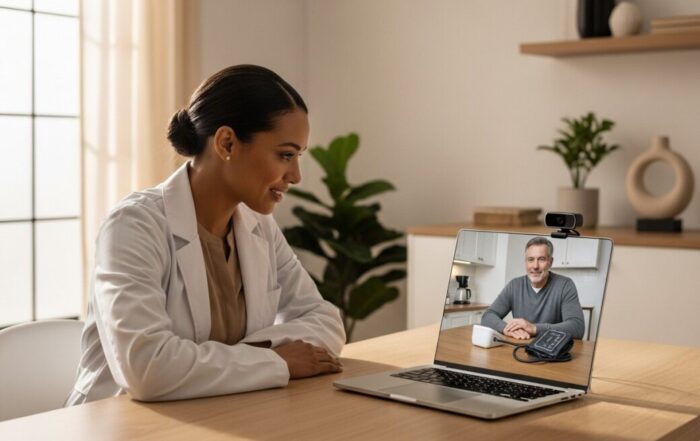
After the lab processes your sample, you will typically receive a digital report within a few days to a week. This report will show your levels for each biomarker tested alongside a reference range indicating what is considered normal. It is vital to understand that a result outside the reference range is not a diagnosis. It is a piece of data. For example, a low ferritin level indicates depleted iron stores, but it does not explain why. The cause could be dietary insufficiency, poor absorption, or chronic blood loss (which itself has many potential causes, from heavy menstrual periods to gastrointestinal issues). This is where the value of telemedicine platforms like Doctors Home becomes clear. You can use your at-home test results as a concrete starting point for a virtual consultation.
Bringing your results to a licensed healthcare provider allows for proper interpretation in the context of your full health history, symptoms, and risk factors. The provider can confirm if the findings are consistent with iron-deficiency anemia or if further investigation is needed. They can then discuss a tailored treatment plan, which may include dietary changes, iron supplementation, or ordering additional tests. Treatment without identifying the underlying cause can be ineffective or even mask a more serious condition. Therefore, an at-home anemia test at home is best viewed as a screening and information-gathering tool that initiates a conversation with a professional, not as a replacement for medical advice.
Benefits and Limitations of At-Home Iron Testing
Like any health tool, at-home anemia tests have distinct advantages and important caveats. The benefits are significant, particularly for modern healthcare consumers. They offer remarkable convenience and privacy, allowing you to screen for potential issues without an initial clinic visit. This can be especially valuable for individuals with mobility challenges, busy schedules, or who live in areas with limited healthcare access. The process is generally straightforward and can provide peace of mind or early indication of a problem. For those monitoring a known, stable iron deficiency under a doctor’s guidance, these tests can offer a convenient way to track trends between formal check-ups.
However, the limitations must be acknowledged to set realistic expectations. The accuracy depends heavily on proper sample collection and the quality of the partnering laboratory. These tests are screening tools, not diagnostic instruments. They cannot identify all forms of anemia (like those related to B12 deficiency or chronic disease) unless specifically designed to test for those markers. There is also no immediate physical examination, which a doctor might use to check for signs like pale conjunctiva or a rapid heartbeat. Perhaps most crucially, there is a risk of misinterpretation. A user might incorrectly self-diagnose or, conversely, assume they are fine based on a single normal result while ignoring persistent symptoms. This underscores why the final step, professional consultation, is non-negotiable.
Frequently Asked Questions About At-Home Anemia Tests
How accurate are at-home anemia test kits?
The accuracy of the lab-analyzed kits is generally high, as they use the same CLIA-certified laboratories as many doctors’ offices. Accuracy hinges on proper sample collection and handling. Rapid hemoglobin test strips may have more variability and are less comprehensive.
Can an at-home test diagnose anemia?
No. An at-home test can indicate low iron levels or low hemoglobin, but a formal diagnosis of anemia and its specific cause must be made by a healthcare provider who can interpret the results in your full clinical context.
How often should I check my iron levels at home?
For general screening without symptoms, once a year may be sufficient. If you have symptoms, are at high risk (e.g., heavy menstrual cycles, vegetarian diet), or are undergoing treatment, follow the frequency recommended by your doctor. Do not self-order tests excessively.
Are there any risks to at-home testing?
The physical risk is minimal (a small finger prick). The main risks are psychological, anxiety from results, or a false sense of security. There is also the risk of data privacy, so choose a reputable provider with a clear privacy policy.
What should I do if my at-home test shows low iron?
Schedule a consultation with a healthcare provider. Do not start supplementing with high-dose iron on your own, as excess iron can be harmful and you need to identify the underlying cause of the deficiency.
Can I get a prescription based on an at-home test result?
Not directly from the test company. However, you can take your results to a licensed provider, such as during a telemedicine appointment. They can evaluate the need for a prescription, like iron supplements, after a proper consultation. This integrated approach is a core benefit of platforms that combine testing with access to care.
How does this compare to other at-home health tests?
The principle is similar to other direct-to-consumer lab tests. For instance, just as discreet at home STD test kits provide privacy and initial data for sexual health, anemia tests offer a convenient starting point for investigating fatigue and related symptoms, with both requiring professional follow-up.
The ability to perform an anemia test at home represents a significant shift toward patient empowerment and proactive health management. These kits demystify the initial screening process, providing tangible data that can make conversations with healthcare providers more efficient and informed. By understanding how to check iron levels properly, interpreting results with caution, and seamlessly connecting those results to professional guidance through telemedicine services, you can take a confident, modern approach to managing your well-being. Remember, the test is the beginning of the journey, not the end, and partnering with a licensed provider ensures you navigate the path to optimal health safely and effectively.
About the Author: Matthew Sullivan


Sign up for our newsletter and Save 20% on Test Kits
"*" indicates required fields