

How to Check Bilirubin Levels With a Jaundice Test at Home
How to Check Bilirubin Levels With a Jaundice Test at Home
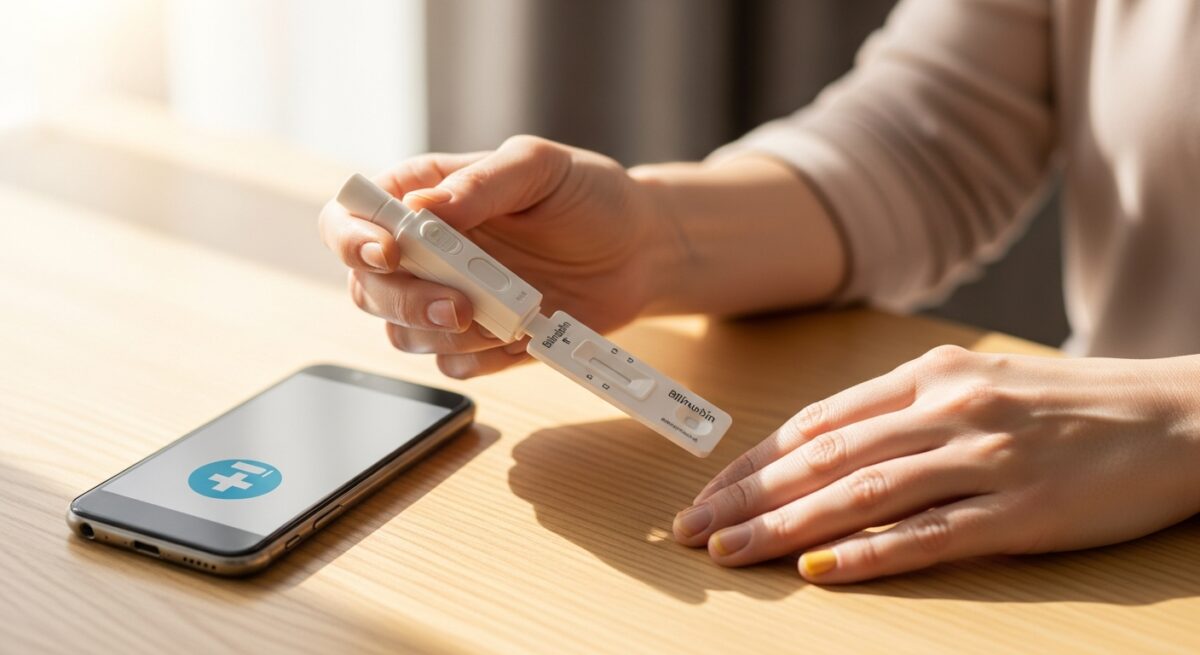
Noticing a yellowish tint in your skin or the whites of your eyes can be an unsettling experience, often pointing to elevated bilirubin levels, a condition known as jaundice. While jaundice itself is a symptom rather than a disease, it signals that your liver or blood may need attention. For new parents monitoring a newborn, adults managing a chronic liver condition, or anyone seeking initial peace of mind between doctor visits, the ability to perform a preliminary jaundice test at home has become an accessible reality. This guide delves into the practical methods for checking bilirubin levels from home, explaining what these tests can and cannot do, and how to integrate them responsibly into your healthcare strategy with the support of telemedicine platforms like Doctors Home.
Understanding Jaundice and Bilirubin
Jaundice is the visible manifestation of hyperbilirubinemia, a condition where there is an excess of bilirubin in the bloodstream. Bilirubin is a yellow-orange pigment produced during the normal breakdown of red blood cells. The liver processes this bilirubin, which is then excreted in bile and ultimately leaves the body. When this process is disrupted, due to factors like increased red blood cell breakdown, liver inflammation, or bile duct obstruction, bilirubin accumulates, leading to the characteristic yellow discoloration of the skin, sclera (whites of the eyes), and mucous membranes.
The causes of jaundice are varied and span all age groups. In newborns, physiological jaundice is very common as their immature livers learn to process bilirubin. In adults, causes can range from viral hepatitis (such as Hepatitis A, B, or C), alcoholic liver disease, gallstones blocking the bile ducts, certain medications, or more serious conditions like pancreatic cancer or cirrhosis. The context of the jaundice, its onset, and accompanying symptoms (like dark urine, pale stools, abdominal pain, or fatigue) are critical for a medical professional to determine the underlying cause. This is why a home jaundice test serves as a screening tool, not a diagnostic endpoint. It provides a data point, a snapshot of your bilirubin level at a moment in time, which can be incredibly valuable when shared with a healthcare provider during a virtual consultation.
Methods for a Jaundice Test at Home
There are two primary approaches to checking for jaundice at home: visual assessment and commercial at-home testing kits. Each has its place, and understanding their proper use is key to obtaining meaningful information.
Visual Assessment and the Scleral Check
The most immediate, no-cost method is a careful visual inspection. This is particularly useful for monitoring known conditions or checking on a newborn. To perform this check, ensure you are in a room with strong, natural daylight. Artificial lighting, especially yellow-toned lights, can distort colors and make jaundice harder to detect. Gently pull down the lower eyelid to observe the conjunctiva, the membrane lining the inside of the eyelid. Look at the whites of the eyes (sclera) against a white background. For skin assessment, press gently on the forehead or tip of the nose; if the skin appears yellow as the pressure is released, it may indicate jaundice. In infants, check the gums and the skin on the chest or abdomen. It is crucial to note that visual assessment is subjective. Carotenemia, a harmless condition from eating lots of carrots or squash, can also cause a yellowish skin tint but does not affect the eyes. Visual checks are best for noticing changes, not for quantifying bilirubin levels.
At-Home Bilirubin Testing Kits
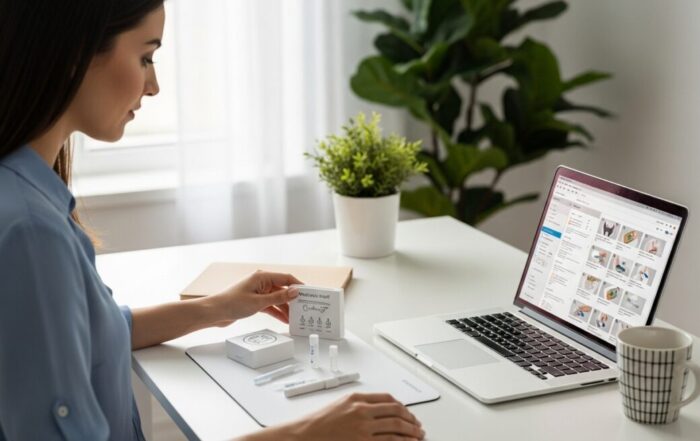
For a more objective measure, several FDA-cleared at-home testing kits are available. These kits typically use a small blood sample, similar to a glucose test for diabetes. A user pricks a finger with a provided lancet, collects a drop of blood on a test strip or in a small capillary tube, and then inserts it into a handheld analyzer. Some newer technologies are exploring non-invasive bilirubinometers that use light reflection through the skin, similar to devices used in hospitals for newborns, but consumer-grade versions are still emerging. The process for a blood-based home jaundice test generally follows a standard sequence.
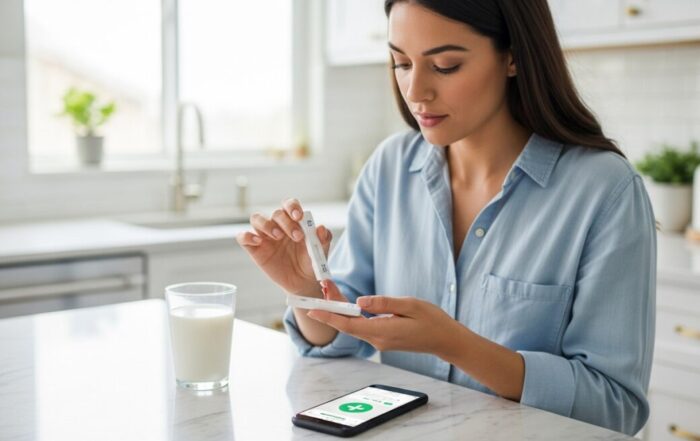
First, thoroughly wash and dry your hands to ensure a clean sample site. Use the provided lancet to prick the side of your fingertip. Gently massage the finger to form a good-sized blood droplet. Carefully apply the blood to the test strip or collection device as per the kit’s specific instructions. Insert the sample into the reader. Within minutes, the device displays a numerical total bilirubin level, usually measured in milligrams per deciliter (mg/dL). It is imperative to follow the manufacturer’s instructions to the letter, including calibration of the device if required, to ensure result accuracy. Recording the result, along with the date and time, creates a log that can be invaluable for tracking trends.
Interpreting Your Home Test Results
Receiving a number from your home jaundice test is just the first step. Understanding what that number means in context is essential. Normal total bilirubin levels for a healthy adult typically range from 0.3 to 1.2 mg/dL. Jaundice usually becomes visually apparent when levels exceed 2.5 to 3 mg/dL. However, these ranges are general guidelines. For newborns, pediatricians use detailed nomograms based on the baby’s age in hours to determine if levels are safe or require treatment with phototherapy.
A single elevated reading from a home test is a signal to consult a healthcare professional, not a reason for panic. The significance of the result depends heavily on the clinical context. An isolated, slightly high reading in an otherwise healthy adult with no symptoms might be followed up with a repeat test or a lab draw. However, a rising trend in readings, or a high reading accompanied by symptoms like abdominal pain, fever, vomiting, or dark urine, warrants prompt medical attention. This is where the integration of home testing with telemedicine shines. You can perform a home jaundice test, document the result and any symptoms, and then promptly schedule a virtual consultation to review the findings with a licensed provider who can advise on the next steps, which may include prescription management or ordering formal lab work.
It is also vital to recognize the limitations of home testing kits. Most measure total bilirubin. In a clinical setting, doctors often order a “bilirubin fractionation” test that breaks down total bilirubin into direct (conjugated) and indirect (unconjugated) bilirubin. The ratio between these two types is a critical diagnostic clue about whether the problem lies in the liver itself (elevated direct bilirubin) or in the blood/pre-liver phase (elevated indirect bilirubin). A home test cannot provide this detail. Furthermore, the accuracy of consumer kits, while good, may not match that of a certified clinical laboratory. Therefore, home tests are excellent for monitoring and screening but are not a replacement for professional diagnosis and comprehensive blood panels ordered by a physician.
When to Seek Professional Medical Advice
Knowing when to transition from home monitoring to professional care is a critical aspect of responsible health management. A home jaundice test is a tool for gathering information, not for making final medical decisions. You should seek immediate professional advice in several key scenarios. For newborns, any visible jaundice in the first 24 hours of life is a medical emergency, as is jaundice that appears to be spreading rapidly or is accompanied by poor feeding, lethargy, or a high-pitched cry. For individuals of any age, pairing an elevated home test reading with certain symptoms creates a clear mandate for action.
- Persistent or Worsening Yellowing: If the yellow tint in the skin or eyes deepens or spreads over days.
- Accompanying Digestive Symptoms: Dark, tea-colored urine, pale or clay-colored stools, severe abdominal pain, or persistent nausea and vomiting.
- Systemic Symptoms: Unexplained fever, chills, significant fatigue, or unintended weight loss.
- Known Liver Condition: If you have a history of liver disease (like hepatitis or fatty liver) and your monitoring shows a concerning rise in bilirubin.
In these situations, a telemedicine service like Doctors Home provides a crucial bridge. You can connect with a licensed provider quickly, share your home test results and symptom history, and receive immediate guidance. The provider can assess whether your situation can be managed remotely, perhaps with prescription medications for underlying conditions like viral infections, or if you need an urgent referral for in-person evaluation and advanced testing. This model of hybrid care, combining home data with virtual professional oversight, empowers patients and can lead to faster, more efficient care pathways.
Integrating Home Testing with Telemedicine Care
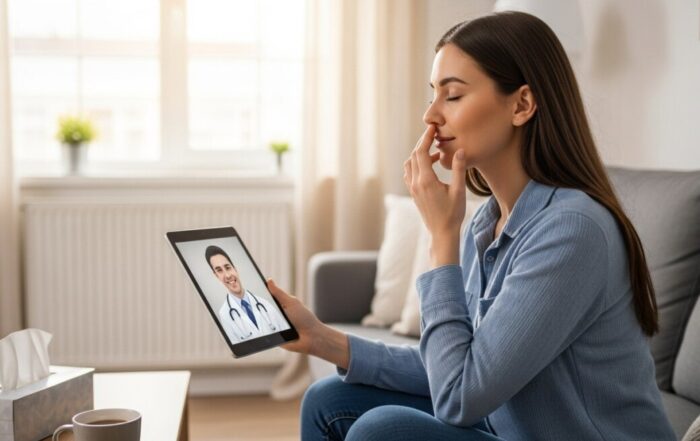
The true power of a home jaundice test is unlocked when it is part of a connected healthcare ecosystem. Platforms like Doctors Home specialize in creating this synergy. The process is streamlined and patient-centric. After noticing symptoms or as part of a managed care plan for a chronic condition, you can use an at-home testing kit. With your results in hand, you schedule a virtual consultation through the platform. During the video or phone visit, you can digitally share your readings, discuss your symptoms in detail, and even show the provider visible signs via your camera.
The licensed healthcare professional can then interpret your home data within the full context of your health history. They can provide a preliminary assessment, offer medical advice, and determine the necessary next steps. This might include ordering confirmatory laboratory tests at a local facility, prescribing medication (such as antiviral therapy for hepatitis or managing symptoms), or recommending lifestyle changes. For ongoing conditions, this setup enables convenient long-term monitoring. Instead of frequent lab visits, you can test at home at prescribed intervals and have virtual check-ins to review trends and adjust treatment plans as needed. This approach is not limited to liver health, similar principles apply to managing other conditions with home monitoring, as detailed in our guide on how to check iron levels at home with an anemia test kit.
The benefits are multifaceted: reduced unnecessary travel and waiting room time, earlier detection of potential issues through convenient monitoring, and a more proactive, data-informed relationship with your healthcare provider. It places you, the patient, at the center of your care journey, equipped with tools to participate actively in your health management.
Frequently Asked Questions (FAQ)
Can a home jaundice test diagnose the cause of my jaundice?
No. A home jaundice test can only indicate the presence and approximate level of elevated bilirubin. Diagnosing the specific cause (e.g., hepatitis, gallstones, cirrhosis) requires a comprehensive medical evaluation, a detailed history, a physical exam (in-person or via telemedicine), and often additional blood tests, imaging studies, or procedures ordered by a healthcare professional.
How accurate are at-home bilirubin test kits compared to lab tests?
FDA-cleared home test kits are generally considered accurate for screening purposes when used correctly. However, they may have a slightly wider margin of error than the sophisticated analyzers used in clinical laboratories. Their results should be considered a reliable indicator for follow-up with a doctor, not a definitive lab-grade measurement.
Is it safe to test a newborn for jaundice at home?
Visual assessment of a newborn is safe and encouraged. For quantitative testing, you should only use a device specifically designed and approved for newborn use, often a non-invasive bilirubinometer. However, any concerns about newborn jaundice should be promptly discussed with a pediatrician. Do not rely solely on a home device for medical decisions regarding an infant.
What should I do if my home test shows a normal level but I still look yellow?
If visual jaundice is present but a home blood test shows a normal bilirubin level, it is important to consult a doctor. The test could be inaccurate, or the discoloration might be due to carotenemia (from diet) or another condition. A professional evaluation is needed to rule out testing error or other causes.
Can I get a prescription based on a home jaundice test result?
A licensed healthcare provider may issue a prescription based on a combination of factors: your home test results, your symptom history, a virtual physical exam, and their clinical judgment. For instance, if evidence suggests a bacterial infection or a flare-up of a known viral condition, they may prescribe appropriate medication. The home test result is a key piece of data that informs that decision.
Performing a jaundice test at home demystifies a common health sign and puts a powerful monitoring tool in your hands. By understanding how to check bilirubin levels accurately, interpret the results wisely, and seamlessly connect those results with professional telemedicine care, you take a proactive step in managing your health or the health of your newborn. This integrated approach, blending self-care technology with accessible professional guidance, represents the future of responsive and patient-centered healthcare.
About the Author: Sarah Thompson


Sign up for our newsletter and Save 20% on Test Kits
"*" indicates required fields