
How to Assess Online Medical Advice Reliability and Safety
How to Assess Online Medical Advice Reliability and Safety
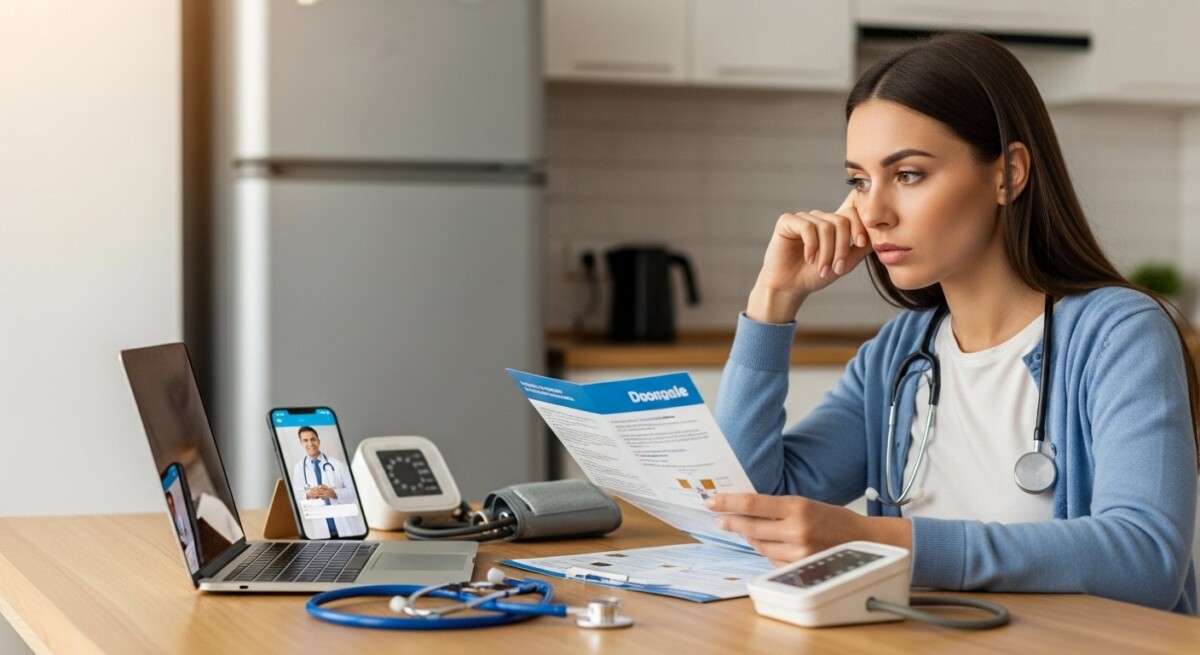
You feel a strange new symptom, and your first instinct is to search for answers online. Within seconds, you’re presented with a dizzying array of forum posts, blog articles, social media threads, and AI-generated summaries, each offering a different potential diagnosis or remedy. This scenario is now a common starting point for health inquiries, but it raises a critical question: how can you distinguish credible, life-saving information from misleading, potentially dangerous advice? The reliability of online medical information is not just an academic concern, it’s a practical issue that impacts health decisions every day. Navigating this digital landscape requires a new kind of health literacy, one that empowers patients to be informed partners in their care while avoiding the pitfalls of misinformation.
The Double-Edged Sword of Digital Health Information
The internet has democratized access to health knowledge in unprecedented ways. Patients can research conditions, understand treatment options, and connect with support communities from anywhere. This access can lead to more informed conversations with healthcare providers and a greater sense of agency over one’s health. However, this vast repository is completely unregulated. Anyone, regardless of qualifications, can publish content that appears authoritative. The algorithms that power search engines and social media feeds are designed to maximize engagement, not accuracy, often prioritizing sensational or emotionally charged content. This environment creates a significant risk: patients may delay necessary care based on bad advice, self-diagnose incorrectly, or experience unnecessary anxiety from reading about worst-case scenarios. The stakes for evaluating online medical advice reliability are therefore exceptionally high.
Identifying Trustworthy Sources: A Practical Framework
Not all online health information is created equal. Developing a consistent method for evaluating sources is your first line of defense. Start by scrutinizing the author and the publishing organization. Credible medical advice almost always comes from identifiable, licensed professionals (MDs, DOs, RNs, PharmDs) or from established, reputable institutions. Look for content from major medical centers (e.g., Mayo Clinic, Cleveland Clinic), government health agencies (CDC, NIH), accredited medical schools, and well-known non-profit health associations (American Heart Association, American Cancer Society). These entities have editorial boards and review processes to ensure information is current and evidence-based.
Transparency is another key marker. Trustworthy sources will clearly state their purpose, disclose any funding or potential conflicts of interest, and provide references to peer-reviewed medical literature. They will also include clear dates of publication and last review, as medical knowledge evolves rapidly. Be deeply skeptical of sites that rely heavily on anonymous testimonials, promote “miracle cures” not recognized by mainstream medicine, or sell the very products they are recommending without disclosing that relationship. A reliable source aims to educate, not to sell a specific supplement or treatment without context.
To systematically assess a source, ask yourself the following key questions:
- Who wrote this, and what are their credentials? Are they a licensed healthcare professional in the relevant field?
- Who is publishing this? Is it a recognized medical institution, government body, or a commercial entity with a product to sell?
- When was this information published or last updated? Is it current with modern medical standards?
- What is the evidence? Does the article cite studies, or is it based on opinion and anecdote?
- What is the tone? Is it balanced and factual, or is it using fear, urgency, or promises of a secret cure?
Applying this framework takes only a minute but can dramatically improve the quality of information you use to make decisions. For instance, understanding how to access and interpret official sources is crucial; our guide on how to access and use your online medical records can be a foundational step in becoming a more empowered patient.
The Critical Role of Licensed Telemedicine Platforms
This is where legitimate telemedicine services like Doctors Home provide a vital bridge between convenient online access and reliable medical care. Reputable platforms solve the core problem of online medical advice reliability by connecting you directly with a verified, licensed professional who can provide personalized guidance within a regulated framework. Unlike anonymous forums, a telemedicine consultation involves a real-time interaction where a provider can ask follow-up questions, review your specific history, and provide a diagnosis or treatment plan tailored to you. This personalized context is something no static web article can offer.
These platforms operate under state medical board regulations, ensuring providers are properly licensed and that the standard of care meets legal and ethical requirements. They also utilize secure, HIPAA-compliant technology to protect your private health information during consultations. When you receive advice through a licensed telemedicine service, you are receiving medical care, not just information. This distinction is paramount. It transforms the internet from a source of unvetted data into a conduit for safe, effective healthcare delivery. For common, manageable conditions, this model offers a reliable, efficient alternative to in-person visits, providing peace of mind that the advice you receive is accountable and professional.
Red Flags and How to Avoid Common Pitfalls
Being able to recognize warning signs is as important as identifying trustworthy sources. One major red flag is any advice that encourages you to abandon prescribed treatments from your doctor in favor of an unproven alternative, especially if that alternative is sold on the same website. Be extremely cautious of sites that diagnose you based on a simple checklist without any professional interaction, or that claim to have a single cure for a wide range of unrelated diseases. Language that seems too good to be true, such as “secret,” “breakthrough,” “guaranteed cure,” or “what doctors don’t want you to know,” is almost always a marker of unreliable information.
Another common pitfall is the “cyberchondria” spiral, where searching symptoms leads to increasingly rare and severe potential diagnoses, causing significant anxiety. Remember that search engines are not diagnostic tools; they cannot weigh probabilities or consider your unique context. A headache is far more likely to be caused by tension or dehydration than a brain tumor, but the latter will generate more clicks and often appear prominently. Always use online information to prepare for a conversation with a professional, not to replace one. If your online research is causing significant distress, that is a signal to log off and schedule a consultation.
Integrating Online Research with Professional Care
The most effective approach to using online health information is to treat it as a supplement to, not a substitute for, professional medical advice. Think of yourself as a researcher gathering data to have a more productive dialogue with your healthcare provider. When you find information online, write down your questions. Where did you read this? What treatment does it suggest? What are the potential risks or benefits discussed? Bring these notes to your appointment. A good provider will welcome an engaged patient and can help you interpret the information you’ve found, explaining whether it applies to your situation and is supported by evidence.
This collaborative model is the future of patient care. It respects the patient’s desire for information and autonomy while grounding decisions in clinical expertise. Platforms that facilitate this integration, by providing both educational resources and direct access to care, offer a cohesive and safe health management ecosystem. They acknowledge that the journey often starts with a search query but ensure it doesn’t end there.
Frequently Asked Questions
Can I trust health information from social media influencers or patient forums?
Approach this information with extreme caution. While patient forums offer valuable emotional support and shared experience, they are not sources of medical fact. An influencer’s personal success with a treatment does not mean it is safe or effective for you. Always verify any recommendations with a licensed professional.
How do I know if a telemedicine platform is legitimate?
A legitimate platform will clearly display the licenses of its providers, use secure, encrypted video technology, have a published privacy policy, and require a thorough medical intake before a consultation. It will treat specific conditions appropriate for remote care and have a clear protocol for referring patients to in-person services when needed.
Is it safe to use online symptom checkers?
Symptom checkers from reputable institutions (like hospitals or medical schools) can be a useful triage tool to help you decide on the urgency of care. However, they are notoriously prone to error and should never be used for self-diagnosis. Their best use is to suggest, “See a doctor within 24 hours” or “Seek emergency care.”
What should I do if I encounter conflicting advice online?
Conflicting advice is common. When this happens, prioritize information from the most authoritative sources (government agencies, major medical centers). The conflict itself is a strong indicator that you need a professional to help you navigate the options based on your personal health profile.
How can I improve my overall digital health literacy?
Start by bookmarking 3-5 websites from major medical institutions you trust. Use these as your primary go-to sources. Practice the critical evaluation framework on any new site you encounter. Remember, your goal is not to become your own doctor, but to become a well-informed patient who can partner effectively with healthcare providers.
Ultimately, the reliability of online medical advice hinges on the source and the context in which you use it. By cultivating critical evaluation skills, understanding the limitations of general information, and leveraging secure pathways to licensed professionals, you can harness the power of the internet for your health without falling victim to its risks. The most reliable online medical advice is that which leads you back to a qualified human being who can provide care tailored to you, turning information into actionable, safe health outcomes.
About the Author: Amanda Lee





Sign up for our newsletter and Save 20% on Test Kits
"*" indicates required fields