

How Telemedicine Transforms Asthma Management and Control
How Telemedicine Transforms Asthma Management and Control
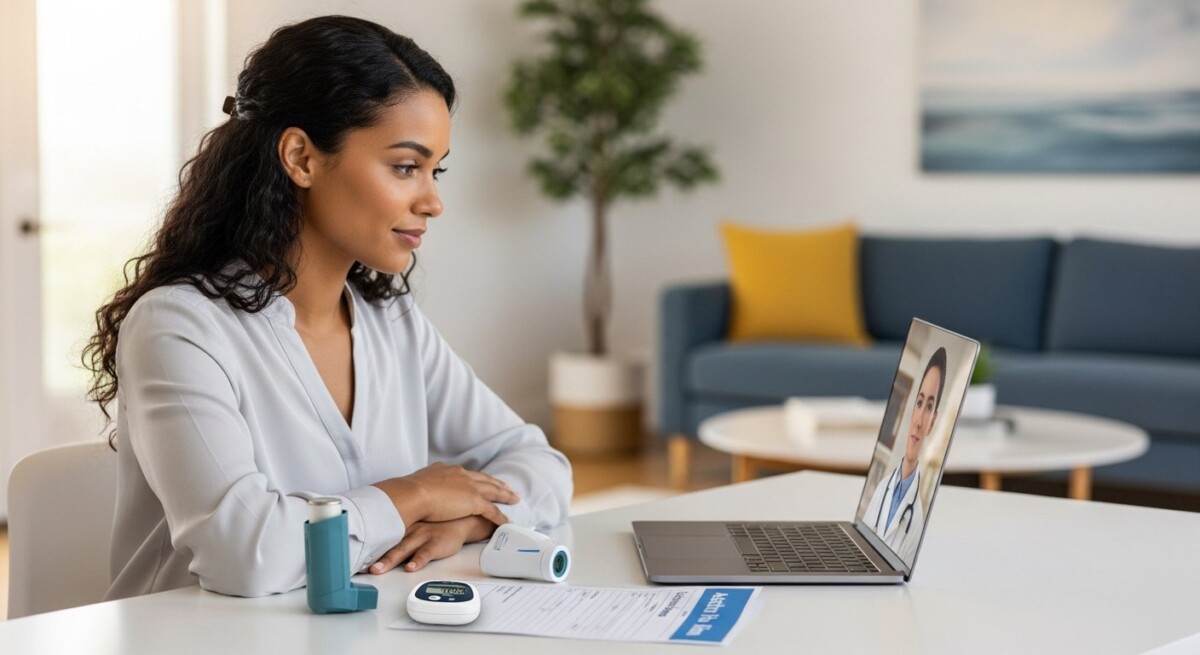
For the millions living with asthma, the path to consistent control is often paved with unexpected flare-ups, urgent clinic visits, and the constant challenge of monitoring subtle changes in breathing. Traditional care models, built around periodic in-person appointments, can leave significant gaps in support precisely when patients need guidance the most. A new paradigm is closing these gaps, offering a more responsive, continuous, and personalized approach to care. Telemedicine for asthma management is emerging as a critical tool, not to replace the vital role of pulmonologists and primary care providers, but to seamlessly extend their expertise into the daily lives of patients. By leveraging secure video visits, remote monitoring, and digital communication, this model empowers individuals to manage their condition proactively, leading to fewer emergencies, better medication adherence, and a significantly improved quality of life.
The Core Components of an Asthma Telemedicine Program
Effective asthma management via telemedicine is far more than a simple video call. It is a structured, technology-enabled care model designed to create a continuous feedback loop between patient and provider. The foundation is secure, HIPAA-compliant communication platforms that facilitate virtual visits. These visits are used for routine follow-ups, medication reviews, and developing or adjusting an Asthma Action Plan, a personalized document that guides daily treatment and steps to take during worsening symptoms. Crucially, telemedicine integrates remote patient monitoring (RPM) tools. Patients can use connected devices, such as digital peak flow meters and Bluetooth-enabled inhalers, to transmit objective lung function data and medication usage directly to their care team. This data provides an unprecedented, real-time window into a patient’s respiratory status, moving care from reactive to predictive.
Another key component is asynchronous communication, often through secure messaging within a patient portal. This allows for quick check-ins, symptom reporting, and clarification of treatment steps without requiring a full appointment. Furthermore, digital education and resource libraries can be shared, helping patients better understand triggers, proper inhaler technique, and environmental control measures. This multi-faceted approach ensures that support is always accessible, mirroring the always-on nature of asthma itself. For many aspects of chronic care, this digital-first model proves highly effective, as seen in our resource on how telemedicine for sleep disorders improves diagnosis and care through similar remote monitoring and consistent follow-up.
Documented Benefits for Patients and Healthcare Systems
The adoption of telemedicine for asthma management delivers measurable advantages across the entire care continuum. For patients, the most immediate benefit is dramatically improved access and convenience. Geographic and transportation barriers are eliminated, and care can be received from home or work, reducing time off and associated costs. This convenience directly translates to better engagement and adherence. When follow-up is easier, patients are more likely to keep appointments and stick to their prescribed medication regimens, leading to superior long-term control.
Studies consistently show that telemedicine programs lead to tangible clinical outcomes. Patients experience fewer asthma exacerbations, reduced emergency department visits, and fewer hospitalizations. This is achieved through early intervention, as providers can spot trends in remotely submitted data and adjust therapy before a minor issue becomes a crisis. The model also fosters a stronger therapeutic alliance, as frequent, low-friction contact builds trust and encourages patients to communicate concerns more openly. For healthcare systems, these improved outcomes reduce the high costs associated with acute asthma care. Furthermore, telemedicine optimizes clinic workflow, allowing providers to manage stable patients virtually and reserve in-person slots for complex cases or procedures. The efficiency gains are substantial, a principle that applies broadly across digital health, as explored in our guide to connect with a 24 hour telemedicine doctor online today for non-emergent needs.
The specific benefits of a well-structured asthma telemedicine program include:
- Enhanced medication adherence through reminders and easier prescription renewals.
- Early detection of worsening symptoms via trend analysis of remote monitoring data.
- Personalized education on inhaler technique and trigger avoidance delivered digitally.
- Reduced patient costs related to travel, parking, and missed work.
- Increased patient satisfaction and sense of empowerment in managing their health.
Implementing Telemedicine in Your Asthma Care Plan
For patients interested in integrating telemedicine into their asthma management, a proactive approach is key. The first step is to discuss the possibility with your current healthcare provider. Inquire if they offer virtual visits for follow-up care or chronic disease management. If they do not, you may seek a specialized digital health clinic or a pulmonology practice that offers telehealth services. It is crucial to ensure that the telemedicine provider can coordinate with your primary care physician or local pharmacist for a cohesive care experience. Once enrolled, you will likely be guided on setting up any necessary technology, which typically involves a smartphone, tablet, or computer with a camera and microphone, along with a stable internet connection.
Preparing for a virtual asthma visit is similar to an in-person appointment but requires some forethought. Have your current medications, including inhalers, on hand to show the provider. Keep a log of your symptoms, peak flow readings if you have a meter, and any questions you have noted since your last check-in. Ensure you are in a quiet, well-lit room where you can speak privately. During the visit, be prepared to demonstrate your inhaler technique on camera, as this is a common source of error that providers can effectively correct virtually. After the visit, diligently follow the updated Asthma Action Plan and use any prescribed remote monitoring tools as instructed. The success of telemedicine relies heavily on this active partnership and consistent data sharing from the patient’s side.
Addressing Limitations and Ensuring Effective Use
While powerful, telemedicine for asthma is not a panacea and has important limitations to acknowledge. It cannot replace all in-person care. Initial diagnoses, pulmonary function testing (spirometry), and evaluations for severe, acute attacks that require hands-on assessment and possible oxygen therapy must occur in a clinical setting. The digital divide remains a concern, as not all patients have access to reliable high-speed internet or feel comfortable with the required technology. Furthermore, the lack of physical examination, specifically the inability to listen to lung sounds (auscultation) remotely, is a gap. However, this is increasingly mitigated by patient-reported symptoms, visual assessment of respiratory distress, and the objective data from remote monitoring devices.
To ensure telemedicine is used effectively and safely, clear protocols are essential. Providers must establish guidelines for when a virtual visit is appropriate versus when an in-person evaluation is mandatory. Patients should be educated on “red flag” symptoms, such as extreme shortness of breath, difficulty speaking in full sentences, or lips turning blue, that necessitate immediate emergency care instead of a telehealth appointment. Privacy and security of health data transmitted online are paramount, so using only approved, secure platforms is non-negotiable. When these guardrails are in place, telemedicine becomes a safe, highly effective component of a comprehensive, hybrid asthma care model.
Frequently Asked Questions
Can I get a new asthma diagnosis through telemedicine?
While a provider can take a detailed history and discuss your symptoms, a definitive asthma diagnosis typically requires in-person pulmonary function tests (spirometry). Telemedicine is excellent for ongoing management once a diagnosis is established.
Will my insurance cover telemedicine visits for asthma?
Coverage has expanded significantly, especially since the COVID-19 pandemic. Most private insurers and Medicare now cover telehealth visits for chronic condition management. It is always advisable to check with your specific insurance provider to understand your benefits and any potential copays.
How do providers check my lungs during a virtual visit?
Providers cannot listen to lung sounds remotely. Instead, they rely on you describing your symptoms in detail, visually observing your breathing effort, and reviewing data from devices like digital peak flow meters. They may ask you to perform a breath-holding test or count while exhaling.
Can I get my asthma prescriptions refilled via telemedicine?
Yes, this is one of the most common and convenient uses of telemedicine for asthma. During a virtual follow-up, your provider can assess your control and electronically send prescription renewals to your pharmacy of choice.
Is telemedicine suitable for managing childhood asthma?
Absolutely. It can be particularly helpful for parents, reducing the need to take children out of school for appointments. The provider can observe the child’s breathing and activity level, and parents can demonstrate inhaler or spacer technique for correction.
The integration of telemedicine into asthma care represents a significant leap forward in chronic disease management. By providing continuous, data-driven support, it shifts the focus from crisis intervention to sustained prevention and control. For patients, this means breathing easier, not just physically, but with the confidence that comes from having expert guidance readily available. As technology and reimbursement models continue to evolve, telemedicine is poised to become a standard, indispensable pillar of comprehensive asthma care, helping individuals lead more active and unrestricted lives.
About the Author: Laura Simmons




Sign up for our newsletter and Save 20% on Test Kits
"*" indicates required fields