
How Telemedicine Primary Care Works for Online Doctor Visits
How Telemedicine Primary Care Works for Online Doctor Visits

Imagine managing your health from the comfort of your living room, avoiding a crowded waiting room, and connecting with a doctor in minutes. This is the reality of telemedicine primary care, a transformative approach to healthcare that uses digital technology to deliver continuous, comprehensive medical services remotely. As virtual care evolves from a niche convenience to a mainstream healthcare pillar, understanding how online doctor visits work is essential for anyone seeking more accessible, efficient, and patient-centered medical management. This model is not just for urgent needs, it represents a fundamental shift in establishing and maintaining a relationship with a primary care provider through a screen.
The Foundation of Virtual Primary Care
Telemedicine primary care, often called virtual primary care, is the remote delivery of ongoing, first-contact health services by a licensed provider. It goes far beyond a one-off telehealth visit for a sore throat. This model establishes a longitudinal patient-provider relationship focused on whole-person health, including preventive care, chronic disease management, mental health, and routine follow-ups. The core principle is continuity. You have a designated provider or care team who knows your history, monitors your health trends, and is available for scheduled appointments and, often, asynchronous communication via secure messaging.
The technological foundation is a secure, HIPAA-compliant platform accessible via smartphone, tablet, or computer. These platforms are designed to facilitate more than just video calls. They integrate electronic health records (EHRs), secure messaging portals, digital intake forms, and sometimes connections to remote patient monitoring devices like Bluetooth blood pressure cuffs or glucose meters. This ecosystem allows your virtual primary care provider to have a comprehensive, up-to-date view of your health, enabling informed decision-making during consultations. The goal is to replicate the depth of an in-office relationship while adding layers of digital convenience and data-driven insight.
A Step-by-Step Guide to the Online Visit Process
Understanding the workflow of a telemedicine primary care visit demystifies the experience and helps patients prepare effectively. The process is designed to be intuitive and efficient, maximizing the time for meaningful clinical interaction.
First, you must choose a platform and establish care. This involves signing up with a service like Doctors Home, completing a detailed medical history profile, and often undergoing an introductory visit. Once established, scheduling a follow-up or acute care visit is typically done through an online portal or app. You select an available time slot that fits your schedule, often with more flexibility than traditional offices, including early morning, evening, or weekend appointments. You will receive confirmation and reminders via email or text.
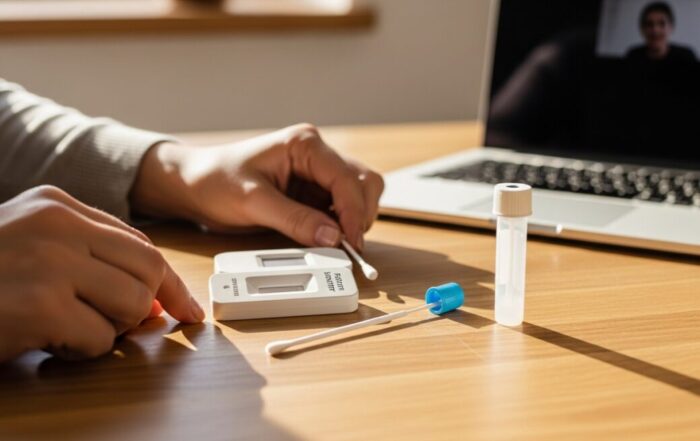
Prior to the appointment, you complete any necessary digital paperwork. This may include updating your symptoms, listing current medications, and consenting to treatment. For some services, you might use an at-home testing kit beforehand and share the results with your provider. When it’s time for your visit, you click a secure link to enter a virtual waiting room. At the scheduled time, your provider joins the video call. The consultation itself mirrors an in-person visit: discussion of concerns, review of history, and a visual assessment. The provider may ask you to perform simple self-examinations, like checking your throat with a light or measuring your heart rate. Following the discussion, the provider will deliver a diagnosis, discuss a treatment plan, and if appropriate, send an electronic prescription to your pharmacy. A visit summary is then uploaded to your secure patient portal. For situations requiring immediate attention outside normal hours, platforms often provide access to on-demand care, as detailed in our resource on how to connect with a 24 hour telemedicine doctor online today.
Services and Conditions Managed Through Virtual Primary Care
A common misconception is that telemedicine is only for minor illnesses. While it excels at handling acute conditions like sinus infections, urinary tract infections, and rashes, virtual primary care has a much broader scope. The continuous relationship model allows for effective management of chronic diseases such as hypertension, type 2 diabetes, asthma, and thyroid disorders. Providers can adjust medications, review lifestyle logs, and monitor trends from home-reported data. Preventive care is also a key component, including wellness counseling, smoking cessation support, nutrition guidance, and mental health screenings.
Prescription management is a core function. Providers can prescribe a wide range of medications electronically, including refills for maintenance drugs and new prescriptions for acute issues. For specific needs, such as treatment for herpes virus outbreaks or allergic conjunctivitis, specialized telemedicine services can provide targeted consultations and prescriptions efficiently. Furthermore, virtual primary care often integrates with digital pharmacy services and at-home lab testing, creating a cohesive care loop where testing, consultation, and treatment are seamlessly connected.
Benefits and Practical Advantages for Patients
The adoption of telemedicine primary care is driven by tangible benefits that address long-standing pain points in the traditional healthcare system. The most immediate advantage is unparalleled accessibility. It eliminates geographic and transportation barriers, making consistent care possible for those in rural areas, individuals with mobility challenges, or people with demanding schedules. The convenience factor cannot be overstated: no commute, no waiting room time, and minimal disruption to work or family life.
From a clinical perspective, virtual care can lead to more proactive management. The ease of scheduling follow-ups may improve adherence to treatment plans. The integration of data from at-home devices provides a richer, real-world picture of a patient’s health than sporadic office readings. There are also potential cost savings, with many visits being less expensive than in-person co-pays, and the reduction of indirect costs like missed work and fuel. For the healthcare system overall, it improves efficiency, reduces unnecessary emergency department visits, and helps manage provider capacity.
Navigating Limitations and Ensuring Effective Visits
While powerful, telemedicine primary care has inherent limitations that patients must understand. It cannot address emergencies like chest pain, severe shortness of breath, or trauma, which require immediate in-person emergency care. The physical exam is limited to what can be seen or guided remotely. Certain conditions will always necessitate an in-person visit, such as those requiring a hands-on examination, certain types of injections, or complex diagnostic procedures.
To ensure a successful online visit, preparation is key. Patients can take several steps to maximize the effectiveness of their virtual consultation:
- Test Your Technology: Ensure your device’s camera, microphone, and speaker work. Use a stable internet connection and close unnecessary applications.
- Prepare Your Environment: Choose a quiet, private, and well-lit room. Have good light on your face, not from behind you.
- Gather Information: Have a list of your current medications, allergies, and symptoms ready. Note the onset, duration, and severity of your concern.
- Use Available Tools: If you have a home thermometer, blood pressure monitor, or scale, have those readings available. For a rash or skin issue, take clear, well-lit photos beforehand.
- Formulate Your Questions: Write down your main concerns and questions to ensure nothing is forgotten during the consultation.
Following these steps empowers you to be an active participant in your virtual care, leading to more accurate diagnoses and effective treatment plans.
Insurance, Costs, and the Future Landscape
The financial aspect of telemedicine primary care has stabilized significantly. Most major insurance plans, including Medicare and Medicaid, now cover telehealth visits, often at parity with in-person visits, meaning your co-pay is the same. Many employers also offer virtual primary care as a covered benefit. For those without coverage or preferring direct payment, platforms typically offer transparent visit fees or subscription models. It is always prudent to verify coverage with your insurer beforehand.
Looking ahead, the integration of telemedicine into standard primary care is becoming the norm, not the exception. The future points toward hybrid models, where patients use virtual visits for routine and follow-up care and schedule in-person appointments only when physically necessary. Advances in artificial intelligence for preliminary symptom analysis, wider adoption of remote patient monitoring devices, and tighter integration with digital pharmacies and lab services will make virtual primary care even more comprehensive, personalized, and proactive.
Frequently Asked Questions
Is a telemedicine primary care visit as effective as an in-person visit?
For a wide range of preventive, chronic, and acute care needs, yes. Studies show comparable health outcomes for many conditions managed via telehealth. The key is appropriateness: for issues requiring a physical hands-on exam or emergency care, in-person is necessary.
Can I get a prescription through a virtual primary care visit?
Absolutely. Licensed providers can prescribe a broad array of medications electronically, from antibiotics for infections to maintenance drugs for chronic conditions. Controlled substances have stricter regulations that vary by state.
How do I handle lab tests or blood work with a virtual doctor?
Your provider can order lab work at a convenient local facility. Increasingly, platforms offer at-home testing kits for common panels. You collect the sample at home, mail it to a certified lab, and results are sent securely to your provider for review and discussion.
What if I need care after hours or on a weekend?
Many telemedicine primary care services include on-demand access to a covering provider or nurse line for urgent after-hours concerns that cannot wait for your regular provider’s next availability.
Is my personal health information secure on a telemedicine platform?
Reputable platforms use encryption and security protocols that comply with HIPAA regulations, the federal law protecting patient privacy. Always ensure the service you use explicitly states it is HIPAA-compliant.
Telemedicine primary care represents a fundamental modernization of the patient-provider relationship. By leveraging secure digital tools, it delivers continuous, comprehensive care that prioritizes accessibility and convenience without sacrificing quality. Understanding how online doctor visits work empowers you to navigate this option effectively, whether for managing a chronic condition, addressing an acute illness, or simply maintaining your wellness. As this model continues to mature and integrate with other digital health tools, it promises to make proactive, personalized healthcare a more seamless part of everyday life.
About the Author: David Reynolds




Sign up for our newsletter and Save 20% on Test Kits
"*" indicates required fields