

How Telemedicine Is Transforming Healthcare Delivery and Access
How Telemedicine Is Transforming Healthcare Delivery and Access

Imagine consulting with a specialist hundreds of miles away without leaving your living room, managing a chronic condition through a weekly video check-in, or receiving a prescription for a sudden infection after a brief digital consultation at midnight. This is not the future of medicine, it is the rapidly evolving present, powered by telemedicine. The integration of digital healthcare services into the traditional medical model represents one of the most significant shifts in how care is delivered, accessed, and experienced. Telemedicine in healthcare is fundamentally transforming care by dismantling long-standing barriers of geography, time, and resource distribution. It is moving healthcare from a reactive, facility-centric model to a proactive, patient-centered one, creating a more flexible, efficient, and accessible system for millions.
The Core Mechanisms of Telemedicine Transformation
At its heart, the transformation driven by telemedicine operates through several interconnected mechanisms. The most immediate and visible change is the decoupling of care from physical location. For patients in rural areas, those with mobility challenges, or individuals with demanding schedules, the ability to connect with a provider via video, phone, or secure messaging is revolutionary. It eliminates travel time, reduces associated costs like fuel and parking, and minimizes time away from work or family obligations. This shift is not merely about convenience, it is about making essential care logistically possible for populations who were previously underserved.
Concurrently, telemedicine expands the temporal boundaries of care. Digital platforms often offer extended hours, weekend availability, and on-demand services that transcend the typical 9-to-5 clinic schedule. This is crucial for addressing acute but non-emergency issues, such as urinary tract infections, sinusitis, or skin rashes, which frequently arise outside standard office hours. By providing a timely alternative to emergency room visits for such conditions, telemedicine alleviates strain on overburdened ERs and directs patients to the appropriate level of care more efficiently. Furthermore, the asynchronous nature of some services, like store-and-forward telehealth where data (e.g., images, lab results) is collected and reviewed later, allows specialists to provide insights without requiring all parties to be available simultaneously, optimizing clinician time and speeding up consultations.
Impact on Patient Access and Chronic Disease Management
The transformative power of telemedicine is perhaps most profoundly felt in the realms of patient access and the management of long-term health conditions. For chronic diseases like diabetes, hypertension, heart failure, and COPD, consistent monitoring and regular provider communication are pillars of effective management. Telemedicine enables a continuous care model that was previously difficult to sustain. Patients can use connected devices, such as Bluetooth-enabled blood pressure cuffs or glucose meters, to transmit vital data directly to their care team. Regular virtual check-ins replace some in-person visits, allowing providers to track trends, adjust medications, and provide counseling without requiring the patient to make a trip to the clinic.
This model fosters greater patient engagement and adherence. When follow-up is easier and more integrated into daily life, patients are more likely to stay on track with their treatment plans. It also allows for early intervention. A nurse noticing a gradual increase in a patient’s weight or blood pressure readings can proactively reach out to adjust diuretics or antihypertensives, potentially preventing a hospitalization. The scope of digital healthcare services in chronic care is vast, encompassing mental health therapy, nutritional counseling, and medication management, all delivered through a stable, accessible digital connection. This continuous, connected approach represents a move from episodic sick care to true health management.
Integration with Clinical Workflows and Hybrid Care Models
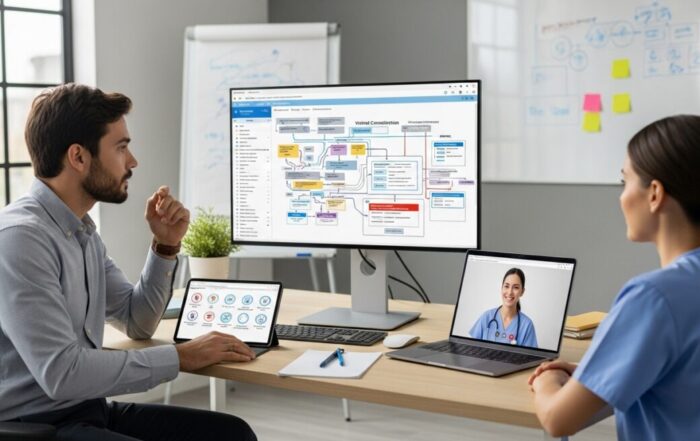
For telemedicine to realize its full potential, it must be seamlessly woven into existing clinical workflows rather than operating as a separate, siloed service. Successful integration means that a virtual visit is documented in the same Electronic Health Record (EHR) as an in-person encounter, ensuring a unified patient history. It means that a primary care physician can easily refer a patient to a teledermatology service and receive the consultant’s note directly back into the patient’s chart. This level of clinical workflow integration is critical for care coordination, preventing fragmentation, and ensuring that all providers involved in a patient’s care have a complete picture.
The ultimate goal for most health systems is not a purely virtual future, but a sophisticated hybrid care model. This model strategically blends in-person and virtual touchpoints based on clinical appropriateness and patient preference. For example, an annual physical with necessary blood draws and a hands-on exam might be conducted in person. A follow-up to review lab results and discuss a new exercise plan could effectively happen via video. A post-operative check to inspect a healing incision might use a secure photo upload. This hybrid approach optimizes the use of clinical space and provider time while maximizing patient convenience. It creates a flexible, patient-centric journey where the mode of care is matched to the specific need. The evolution of these models is a key topic in discussions about how virtual care accessibility is transforming healthcare, as it redefines the very architecture of patient-provider interactions.
Addressing Challenges: Equity, Security, and Appropriate Use
Despite its immense benefits, the transformation brought by telemedicine is not without significant challenges that must be actively addressed. The digital divide remains a paramount concern for health equity. Reliable broadband internet access, ownership of capable devices (smartphones, tablets, computers), and digital literacy are not universal. Without concerted efforts to bridge this gap through public-private partnerships, subsidized connectivity programs, and user-friendly platform design, telemedicine risks exacerbating existing health disparities by advantaging those with technological resources.
Healthcare data security and patient privacy are non-negotiable pillars of telemedicine. The transmission of protected health information (PHI) over digital networks requires robust encryption, secure video conferencing platforms compliant with regulations like HIPAA, and vigilant cybersecurity protocols. Patients must have confidence that their sensitive medical conversations and data are private. Furthermore, the clinical appropriateness of telemedicine must be carefully considered. While excellent for many consultations, follow-ups, and mental health sessions, it cannot replace hands-on physical examinations for certain conditions. Clear guidelines are needed to help both providers and patients understand when a virtual visit is suitable and when an in-person evaluation is necessary. The responsible growth of telemedicine depends on navigating these challenges thoughtfully.
The Future Landscape and Continuous Evolution
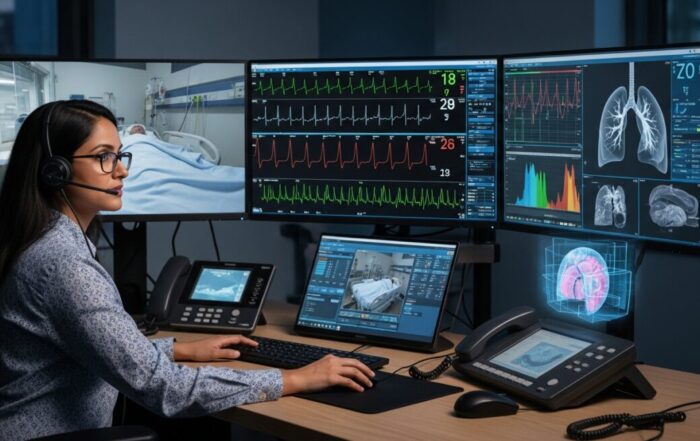
The trajectory of telemedicine points toward deeper integration with other technological advancements. We are already seeing the convergence of telemedicine platforms with wearable health devices, remote patient monitoring (RPM) tools, and artificial intelligence. AI-powered symptom checkers can help triage patients before a consultation, while algorithms can analyze data from remote monitors to flag anomalies for clinician review. The integration of at-home testing kits with telemedicine is another powerful synergy. A patient can order a test kit online, collect a sample at home, send it to a lab, and then discuss the results with a provider via a virtual visit, creating a comprehensive diagnostic and treatment loop entirely outside a traditional clinic.
The regulatory and reimbursement landscape is also evolving to support this new paradigm. Permanent payment parity for telehealth services, expanded coverage for remote monitoring, and cross-state licensure compacts are all critical policy developments that will shape the sustainability and reach of telemedicine. As these elements coalesce, the line between “digital” and “traditional” healthcare will continue to blur, leading to a truly integrated, resilient, and patient-empowered health system. The transformation is ongoing, but its direction is clear: toward greater accessibility, efficiency, and personalization in care.
Frequently Asked Questions
Is telemedicine as effective as in-person care for common conditions?
For many common conditions, such as routine follow-ups, mental health therapy, dermatology concerns (via photo or video), sinus infections, urinary tract infections, and medication management for stable chronic conditions, numerous studies have shown telemedicine to be as effective as in-person visits in terms of clinical outcomes, patient satisfaction, and adherence to treatment plans.
What equipment do I need for a telemedicine appointment?
Typically, you need a smartphone, tablet, or computer with a camera, microphone, and speaker. A stable, high-speed internet connection is crucial for video quality. Before your appointment, you may need to download a specific app or access a secure link provided by your healthcare provider’s platform.
Are telemedicine services covered by insurance?
Coverage has expanded dramatically. Most private insurers, Medicare, and Medicaid now cover a wide array of telemedicine services. However, coverage details (like copays) can vary. It is always best to check with your specific insurance provider to understand your plan’s benefits for digital healthcare services.
Can I get a prescription through a telemedicine visit?
Yes, licensed providers can prescribe medications during a telemedicine consultation when clinically appropriate. However, they cannot prescribe controlled substances (like certain pain medications or ADHD drugs) without an initial in-person evaluation in most cases, and they must adhere to state and federal regulations.
How do I ensure my privacy during a telemedicine call?
Choose a private location for your visit. Use a secure, private Wi-Fi network instead of public Wi-Fi. Ensure your provider uses a HIPAA-compliant video platform (they should confirm this). Avoid using speakerphone if others might overhear, and close unnecessary applications on your device.
The evidence is overwhelming: telemedicine in healthcare is transforming care from a periodic event into a continuous partnership. It is breaking down walls, both physical and logistical, to place quality healthcare within easier reach. While challenges around access and integration persist, the core value proposition of convenience, continuity, and expanded access is undeniable. As technology, policy, and clinical practice continue to adapt, this transformation will only deepen, solidifying telemedicine not as a temporary alternative, but as a permanent, essential, and integrated pillar of a modern, effective healthcare system.
About the Author: Emily Rodriguez



Sign up for our newsletter and Save 20% on Test Kits
"*" indicates required fields