

How Telemedicine for Sleep Disorders Improves Diagnosis and Care
How Telemedicine for Sleep Disorders Improves Diagnosis and Care
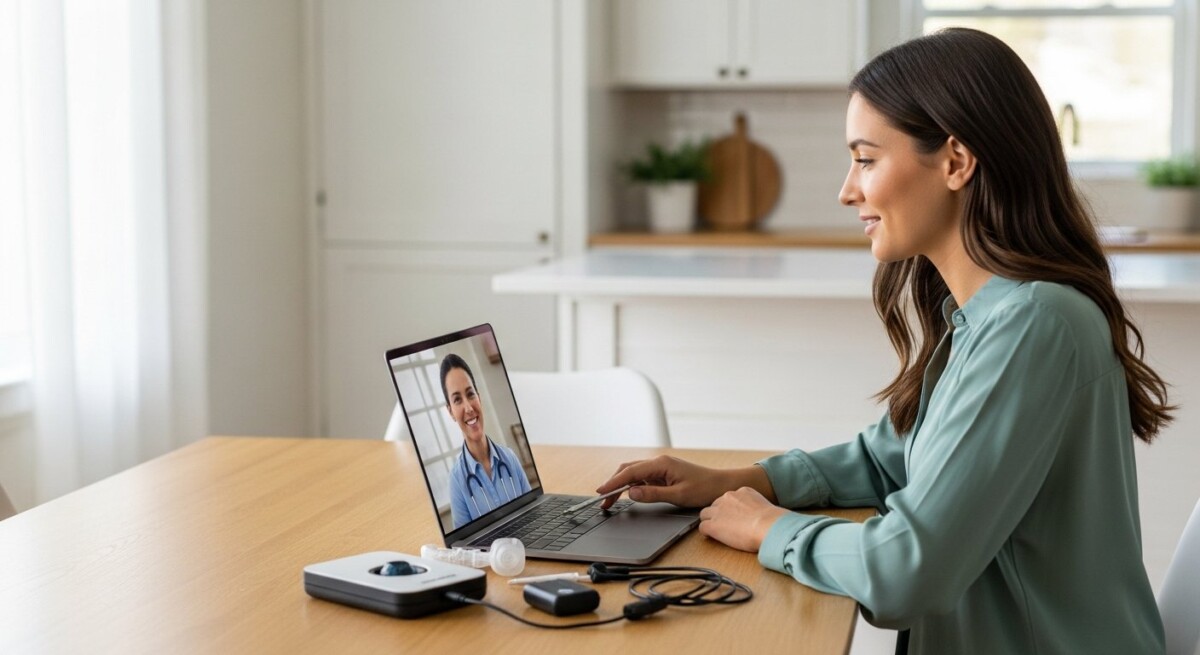
Struggling with chronic insomnia, sleep apnea, or restless legs syndrome can feel like a solitary battle, fought in the dark of night. For many, the path to a solution is daunting, blocked by long wait times for specialist appointments, the inconvenience of travel, and the discomfort of unfamiliar sleep labs. A transformative shift is underway, moving sleep medicine out of the clinic and into the home. Telemedicine for sleep disorders is revolutionizing this field, offering a streamlined, patient-centered approach that makes expert care accessible, efficient, and surprisingly personal. This model leverages digital technology to connect patients with sleep specialists for evaluation, diagnosis, and ongoing management, all through a secure video connection.
The Telemedicine Sleep Care Pathway: From Consultation to Treatment
The journey through telemedicine for sleep issues is a structured yet flexible process designed for modern lifestyles. It begins with an initial virtual consultation, where a board-certified sleep physician conducts a comprehensive review of your sleep history, symptoms, and daily habits. This conversation is as detailed as an in-office visit, covering sleep schedules, snoring, daytime fatigue, and medical history. The physician can then order necessary diagnostic tests, which have been greatly simplified by technological advances. Rather than requiring an overnight stay in a sleep lab, patients are often sent a compact, user-friendly home sleep apnea test (HSAT) device by mail. This device, worn for one or two nights at home, records critical data like breathing patterns, oxygen levels, and heart rate, providing a more accurate picture of sleep in a natural environment.
Following the testing phase, a follow-up video appointment is scheduled to review the results. The physician interprets the data, provides a clear diagnosis, and discusses a personalized treatment plan. This plan could include lifestyle modifications, cognitive behavioral therapy for insomnia (CBT-I) delivered via telehealth, guidance on positive airway pressure (PAP) therapy for sleep apnea, or medication management. The continuity of care is a key strength, as the same provider who made the diagnosis can oversee treatment titration and adjustments, ensuring a cohesive care experience. This seamless integration of consultation, testing, and follow-up exemplifies the efficiency of modern digital healthcare.
Key Benefits of Choosing a Telehealth Sleep Specialist
Adopting telemedicine for sleep disorders addresses several critical pain points in traditional sleep medicine. The most immediate benefit is dramatically improved access. Patients in rural areas or those with mobility challenges can connect with top specialists without the burden of travel. It also eliminates long wait times common at sleep centers, allowing for quicker intervention. The comfort and convenience of being evaluated and tested in one’s own home cannot be overstated, as it often leads to more representative sleep data and reduces the “first-night effect” anxiety associated with lab studies.
From a care delivery perspective, telehealth fosters enhanced patient engagement and adherence. Regular, brief check-ins via video are easier to schedule and keep, facilitating better monitoring of treatment progress, such as PAP therapy compliance. This model also promotes stronger patient education, as providers can share screens, use digital resources, and ensure understanding of complex conditions and equipment. Furthermore, for issues like chronic insomnia, structured CBT-I programs delivered via telehealth have proven to be as effective as in-person therapy. This approach to chronic disease management empowers patients to take an active role in their health from a familiar, supportive environment.
The core advantages of this model include:
- Expanded Access: Connects patients with specialized sleep experts regardless of geographic location.
- Convenience and Comfort: Conducts evaluations and testing in the patient’s home, reducing stress and travel.
- Faster Diagnosis and Treatment: Shortens the timeline from initial concern to therapeutic intervention.
- Improved Treatment Adherence: Enables easier follow-ups and support for therapy adjustments, similar to benefits seen in managing COPD at home.
- Cost-Effectiveness: Can reduce overall healthcare costs by minimizing unnecessary in-person visits and travel expenses.
Conditions Effectively Managed Through Virtual Sleep Medicine
Telemedicine is remarkably versatile for addressing a wide spectrum of sleep disorders. It is particularly well-suited for the diagnosis and management of obstructive sleep apnea (OSA), the most common sleep-related breathing disorder. The entire process, from clinical evaluation to home sleep test interpretation and PAP therapy setup and follow-up, can be conducted remotely. For chronic insomnia, telehealth is a gold-standard delivery method for Cognitive Behavioral Therapy for Insomnia (CBT-I), a structured program that addresses the thoughts and behaviors perpetuating sleep problems.
Other conditions effectively managed include circadian rhythm sleep-wake disorders, like delayed sleep phase syndrome, where treatment involves carefully timed light therapy and melatonin, protocols easily guided via virtual visits. Restless Legs Syndrome (RLS) and certain parasomnias can also be evaluated and managed through telehealth, especially for medication management and review of symptom diaries. However, it is important to note that telemedicine has boundaries. Conditions requiring complex neurological workups, severe cases of sleep apnea with significant comorbidities, or suspected narcolepsy that may require a lab-based multiple sleep latency test (MSLT) may necessitate an eventual in-person referral. A responsible telehealth provider will recognize these limits and facilitate that referral seamlessly.
Preparing for Your First Virtual Sleep Appointment
To maximize the effectiveness of your telehealth visit, preparation is key. Start by compiling a detailed sleep diary for at least one week, logging bedtime, wake time, estimated sleep onset, nighttime awakenings, and overall sleep quality. Note any caffeine, alcohol, or medication use. Have a list of your current medications and medical history ready. It is also helpful to involve a bed partner if possible, as they can often provide crucial observations about snoring, breathing pauses, or leg movements you might be unaware of. Test your technology beforehand: ensure a stable internet connection, your device’s camera and microphone are working, and you are in a quiet, private room for the consultation. Write down your most pressing questions and symptoms to ensure nothing is forgotten during the appointment. This level of preparation enables the specialist to make the most accurate assessment possible in a virtual setting, much like the proactive approach recommended when you connect with a 24 hour telemedicine doctor for other urgent concerns.
Frequently Asked Questions About Telemedicine for Sleep
Is a home sleep test as accurate as an in-lab study?
For diagnosing uncomplicated obstructive sleep apnea in adults, home sleep apnea tests are considered highly accurate and are the recommended first-line test by major medical societies. They are less comprehensive than in-lab polysomnography but are effective for most routine cases.
Can I get a CPAP machine prescribed through telehealth?
Yes. If your home sleep test confirms sleep apnea, a telehealth sleep specialist can prescribe a CPAP or other PAP device. They will often work with a durable medical equipment (DME) company that ships the device directly to your home and provides virtual setup support.
Will my insurance cover telemedicine sleep services?
Coverage has expanded significantly. Most private insurers and Medicare now cover telehealth visits and home sleep tests for sleep apnea diagnosis when medically necessary. It is always advisable to check with your specific insurance provider for details on copays and coverage requirements.
What if I need an in-person sleep study?
A reputable telemedicine provider will identify complex cases that require an in-lab study. They will coordinate the referral to a sleep center and ensure your records are transferred, maintaining continuity in your care plan.
How does follow-up care work?
Follow-up is a cornerstone of the model. You will have scheduled video follow-ups to review therapy data (e.g., CPAP usage reports downloaded remotely), discuss side effects, adjust pressures or medications, and provide ongoing behavioral coaching for issues like insomnia.
Telemedicine for sleep disorders represents a fundamental and positive realignment of sleep care around the patient’s life and needs. By dismantling traditional barriers of access, time, and comfort, it invites more individuals to seek help for conditions that profoundly impact health and quality of life. This digital approach does not replace the expertise of sleep medicine, it amplifies its reach and impact, offering a practical, evidence-based pathway to restful sleep and better days ahead. As technology and acceptance grow, virtual sleep care is poised to become a standard, first-line option for millions.
About the Author: James Patel


Sign up for our newsletter and Save 20% on Test Kits
"*" indicates required fields