

How Telemedicine for Seniors Improves Healthcare Access and Outcomes
How Telemedicine for Seniors Improves Healthcare Access and Outcomes
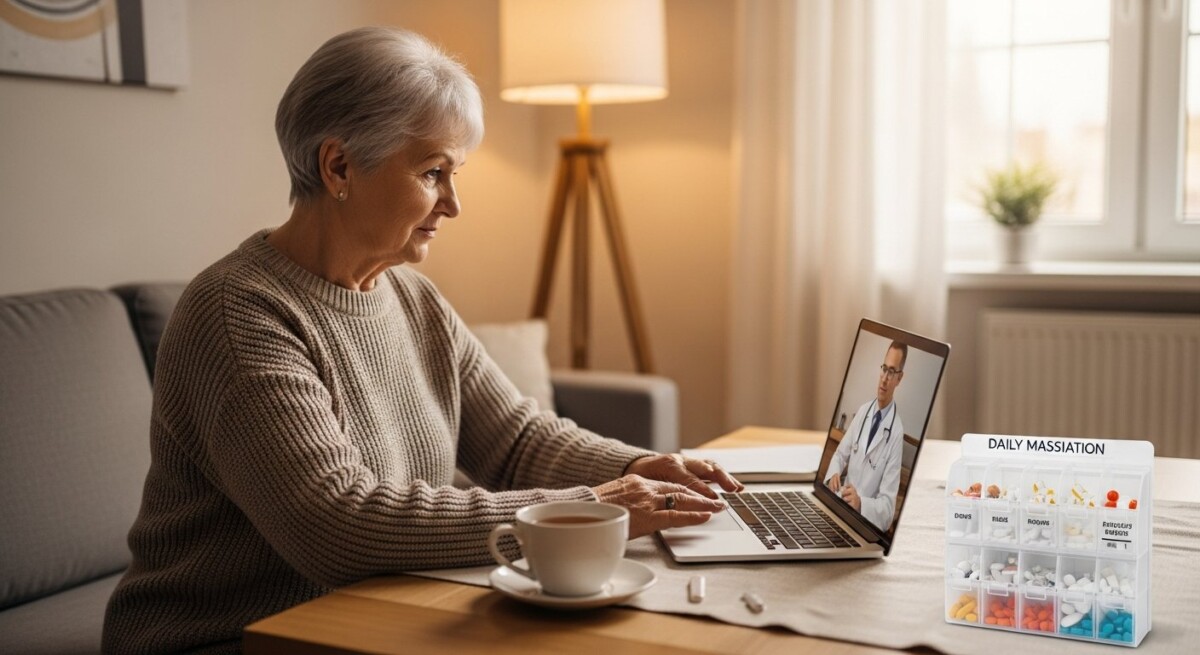
For many older adults, a routine doctor’s appointment can become a significant logistical challenge. Transportation difficulties, mobility limitations, the risk of exposure to illness in waiting rooms, and the sheer physical effort required can lead to skipped appointments and delayed care. This is where telemedicine for seniors transforms the healthcare experience. By leveraging video calls, phone consultations, and secure messaging, seniors can now connect with healthcare providers from the comfort and safety of their own homes. This shift is not merely a matter of convenience, it is a fundamental improvement in how chronic conditions are managed, acute issues are addressed, and overall well-being is supported for the aging population.
The Multifaceted Benefits of Virtual Care for Older Adults
The advantages of telemedicine extend far beyond simple convenience, addressing some of the most persistent barriers to care that seniors face. One of the most significant benefits is the dramatic reduction in travel burden. For those who no longer drive or rely on family, friends, or costly transportation services, eliminating the commute to a clinic is a profound relief. This also minimizes the physical strain of moving through large medical facilities. Furthermore, virtual visits substantially lower the risk of exposure to contagious illnesses like influenza or COVID-19, a critical consideration for those with compromised immune systems or chronic lung and heart conditions. The home environment also allows for unique insights, as providers can sometimes observe a patient’s living situation, which can inform care decisions related to safety, medication management, and daily functioning.
Perhaps the most impactful benefit is the enhancement of chronic disease management. Conditions like diabetes, hypertension, heart failure, and COPD require consistent monitoring and medication adjustments. Telemedicine facilitates more frequent check-ins without the overhead of a full office visit, enabling providers to catch potential problems early. This continuous, proactive approach can prevent minor issues from escalating into emergencies, leading to better health outcomes and reduced hospitalizations. The ease of access also promotes stronger patient-provider relationships and encourages seniors to seek guidance sooner rather than later.
Navigating the Practicalities of Senior Telehealth
For telemedicine to be successful, practical considerations must be addressed to ensure the experience is smooth and effective. The first step is technology setup. While this can be a hurdle, many platforms are now designed with simplicity in mind. A device with a camera and microphone, such as a tablet, smartphone, or computer, and a reliable internet connection are the primary requirements. Family members or caregivers can play a crucial role in the initial setup, creating large, easy-to-see icons on the device’s home screen for the telehealth app or website. A practice session before the actual appointment can build confidence and troubleshoot any audio or video issues.
Preparation is key to a productive virtual visit. Seniors and their caregivers should prepare just as they would for an in-person appointment. This includes writing down symptoms, questions, and any changes in health since the last visit. Having a list of current medications, including dosages, readily available is essential. It is also helpful to take vital signs at home if possible, such as blood pressure, weight, or blood glucose readings, using home monitoring devices. Ensuring good lighting, a quiet space, and having hearing aids or glasses on hand will improve communication. For a deeper understanding of what to expect from a virtual consultation, you can explore our resource on how to connect with a telemedicine doctor online.
Optimal Use Cases and Important Limitations
Telemedicine is exceptionally well-suited for a variety of common healthcare needs for seniors. Understanding when to use it maximizes its value while recognizing its limits ensures safety.
Ideal scenarios for a telehealth visit include:
- Medication Management: Discussing side effects, requesting refills, and adjusting dosages for chronic conditions.
- Follow-up Appointments: Reviewing test results, checking progress after a previous treatment or hospitalization, and monitoring chronic disease stability.
- Mental Health Support: Regular therapy or counseling sessions for depression, anxiety, or loneliness, which are prevalent among older adults.
- Minor Acute Concerns: Addressing issues like rashes, urinary symptoms, colds, sinus infections, or minor injuries that may not require a hands-on exam.
- Nutritional Counseling: Consultations with dietitians for weight management, diabetes diet planning, or other dietary needs.
However, telemedicine has clear boundaries. It is not a substitute for emergency care. Symptoms like chest pain, severe shortness of breath, stroke symptoms (such as facial drooping or slurred speech), major injuries, or acute abdominal pain require an immediate call to 911 or a visit to an emergency department. Furthermore, conditions that necessitate a physical examination, such as a new lump, a concerning skin lesion requiring a biopsy, or a comprehensive neurological assessment, still require an in-person visit. The future lies in hybrid care models, where telemedicine handles routine management and follow-ups, seamlessly integrating with scheduled in-person visits for hands-on procedures and comprehensive exams.
Integrating Telemedicine into Holistic Senior Care
The true power of telemedicine is realized when it is part of a broader, integrated care ecosystem. This includes the growing field of remote patient monitoring (RPM), where devices like Bluetooth-enabled blood pressure cuffs, glucose meters, and weight scales automatically transmit data to the healthcare team. This allows for truly data-driven, proactive care, where a nurse can call a patient if their readings are trending dangerously, often before the patient even feels symptoms. Digital pharmacy services complement this by delivering medications to the doorstep and offering virtual consultations with pharmacists to review drug interactions and improve adherence.
Mental and behavioral health is another area where telemedicine has broken down critical barriers. Stigma and transportation issues often prevent seniors from seeking help for depression or anxiety. Virtual therapy sessions provide discreet, accessible support. Similarly, telemedicine for sleep disorders offers a practical way for specialists to conduct initial assessments and follow-up care, which is vital since sleep problems are closely linked to cognitive decline and cardiovascular health in older adults. The synergy between these digital tools creates a supportive network around the senior, fostering independence while maintaining a strong connection to their care team.
Addressing Common Questions About Senior Telehealth
Many seniors and their families have practical questions about adopting telemedicine. Here are answers to some frequently asked questions.
Is telemedicine covered by Medicare? Yes. Medicare Part B covers telehealth services broadly, including visits for diagnosis, therapy, and consultation. During and after the public health emergency, coverage has been expanded significantly, and many of these flexibilities have been made permanent. This includes covering visits conducted in a patient’s home. Always check with your specific Medicare Advantage or supplemental plan for details on copays.
What if I am not comfortable with technology? Many telehealth platforms are designed to be simple. Often, you do not need to download an app, you can just click a link sent via email or text to join a video call. Family members, caregivers, or even staff at senior living communities can assist with the initial setup. Phone-only visits are also a widely covered and effective option for those without video capability.
Can I get a prescription through a telemedicine visit? Yes, healthcare providers can prescribe medications during a telehealth appointment when it is medically appropriate. They can send prescriptions electronically to your preferred pharmacy. However, controlled substances may have stricter regulations requiring an in-person visit initially.
Is my privacy protected during a telehealth visit? Reputable healthcare providers use HIPAA-compliant, secure video platforms designed specifically for healthcare. These platforms encrypt the video and audio data to protect your privacy. You should avoid using public video chat services for medical appointments unless specifically directed by your provider.
Can I use telemedicine for specialist care? Absolutely. Many specialists, including cardiologists, endocrinologists, neurologists, and psychiatrists, offer telehealth visits for consultations and follow-up care. This can be especially valuable for seniors who would otherwise have to travel long distances to see a specialist.
Telemedicine for seniors represents a pivotal advancement in age-friendly healthcare. It shifts the model from reactive, episodic care in a clinic to proactive, continuous care that reaches into the home. By overcoming traditional barriers of distance, mobility, and transportation, it empowers older adults to take a more active role in managing their health. While it does not replace all in-person care, it serves as a powerful tool to enhance access, improve communication, and support the goal of healthy, independent aging. As technology and adoption continue to grow, telemedicine will undoubtedly become a standard, indispensable component of comprehensive senior care.
About the Author: Rachel Nguyen


Sign up for our newsletter and Save 20% on Test Kits
"*" indicates required fields