

How Telemedicine for Mental Health Expands Access to Care
How Telemedicine for Mental Health Expands Access to Care

For many, seeking help for anxiety, depression, or other mental health concerns has been a journey marked by barriers: long waitlists, geographic isolation, stigma, and the sheer logistical challenge of attending a weekly in-person appointment. The landscape of psychological care, however, has undergone a profound and necessary transformation. Telemedicine for mental health, the delivery of psychiatric and therapeutic services via secure video, phone, or messaging platforms, is no longer an emerging trend but a foundational component of modern behavioral healthcare. It represents a critical bridge over the chasms of access, offering a lifeline to effective, confidential support from the comfort and privacy of one’s own home. This shift is not merely about convenience, it is about fundamentally redefining who can receive care and when, making mental wellness a more attainable goal for millions.
The Core Benefits and Advantages of Virtual Mental Health Care
The advantages of integrating telemedicine into mental health practice extend far beyond simple convenience. This model addresses some of the most persistent and systemic challenges within the behavioral health system. First and foremost, it demolishes geographical barriers. Individuals in rural areas, where specialists may be hours away, or those in urban centers with transportation difficulties can now connect with a qualified provider with a stable internet connection. This expansion of access is perhaps the most significant contribution of telepsychiatry and online therapy.
Secondly, telemedicine for mental health directly confronts the issue of stigma. The privacy of accessing care from one’s personal space can empower individuals who might otherwise avoid treatment due to fear of being seen entering a clinic or a therapist’s office. This reduced stigma can lead to earlier intervention, which is often crucial for better long-term outcomes. Furthermore, the logistical flexibility is unparalleled. It eliminates travel time and cost, reduces time off work, and simplifies childcare arrangements, making consistent care more sustainable. For conditions like social anxiety or agoraphobia, where leaving home is a primary symptom, telemedicine can be the only viable entry point to treatment. The model also fosters continuity of care; a patient can maintain their therapeutic relationship even if they move, travel for work, or face temporary mobility issues.
Understanding the Different Modalities and Services
Telemedicine for mental health is not a monolithic service but a spectrum of modalities tailored to different needs and clinical situations. Understanding these options helps individuals find the right fit for their care journey.
Live Video Conferencing (Synchronous Telehealth)
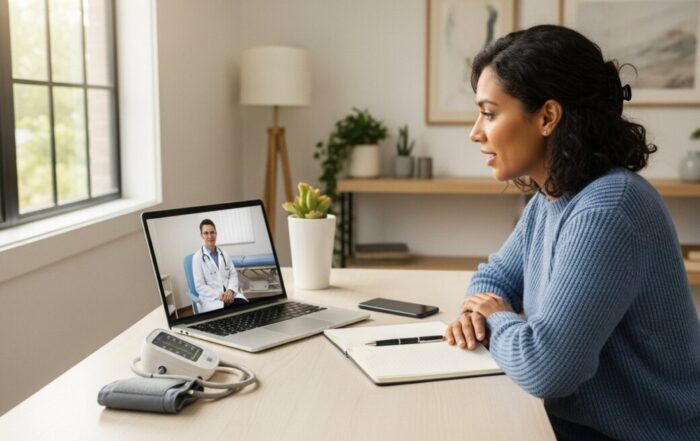
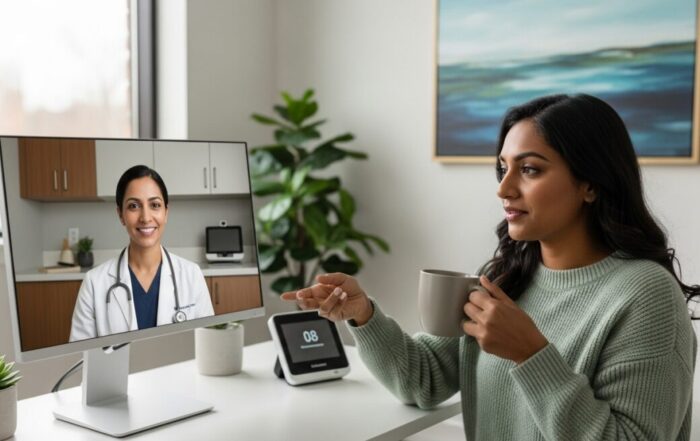
This is the most direct replacement for the traditional in-office visit and the most common form of telemedicine for mental health. Using HIPAA-compliant video platforms, patients engage in real-time, face-to-face sessions with psychiatrists, psychologists, licensed clinical social workers, or therapists. This modality is ideal for psychiatric evaluations, medication management appointments, and ongoing psychotherapy (such as Cognitive Behavioral Therapy, Dialectical Behavior Therapy, or psychodynamic therapy). The visual component allows for non-verbal cue observation, which is vital for therapeutic rapport and assessment.
Phone-Based Therapy and Psychiatry
While lacking a visual element, phone sessions offer a highly accessible and effective alternative. They are particularly valuable for patients with limited bandwidth, those who are less comfortable with video technology, or during moments when a video connection isn’t feasible. Many therapeutic interventions are highly effective via voice alone, and this modality ensures care is not interrupted by minor technical hurdles.
Asynchronous Communication (Store-and-Forward)
This involves secure messaging through a patient portal. A patient might send a text update to their provider, who responds at a later time. It’s excellent for brief check-ins, medication side-effect reports, or sharing journal entries or mood charts between sessions. It supplements live sessions by providing continuous, low-pressure contact, which can enhance engagement and self-monitoring.
Digital Therapeutics and App-Based Support
Many platforms integrate prescribed digital tools, such as apps for mindfulness, mood tracking, or skill-building exercises that complement live therapy. These resources empower patients to take an active role in their management between appointments, reinforcing the strategies discussed in session. It’s important to distinguish these clinician-recommended tools from general wellness apps, as they are often part of a structured treatment plan.
Key Considerations for Effective and Safe Telemedicine
To maximize the benefits and ensure a positive, secure experience, both patients and providers must be mindful of several critical factors. Success in telemedicine for mental health relies on more than just a working webcam.
First, the technological and environmental setup is crucial. A reliable, high-speed internet connection is necessary to prevent frustrating drops or lag during sensitive conversations. Patients should aim for a private, quiet, and well-lit room where they will not be overheard or interrupted. Using headphones can enhance audio privacy. From a clinical perspective, providers must conduct thorough initial assessments to determine if telemedicine is appropriate for the individual’s specific condition and risk level. Certain high-acuity situations, such as active suicidal ideation with intent or severe psychosis, may require in-person evaluation and care.
Licensing and jurisdiction are paramount. Providers must be licensed in the state where the patient is physically located during the session. Reputable platforms like Doctors Home meticulously verify this and ensure all consultations are conducted within legal and regulatory frameworks. Security and privacy are non-negotiable. All communications must occur on HIPAA-compliant platforms that use end-to-end encryption, not on consumer-grade video chat apps. Patients should verify the platform’s privacy policy and data security measures. Finally, managing expectations is key. The therapeutic relationship may develop differently online, and both parties need to be intentional about building rapport and navigating any technical glitches with patience.
Who Can Benefit Most From This Model of Care?
While telemedicine for mental health has broad applicability, certain groups find it exceptionally transformative. These include:
- Individuals in Rural or Underserved Areas: Where specialist access is severely limited or non-existent.
- People with Physical Disabilities or Chronic Illness: For whom travel to appointments is painful, exhausting, or medically challenging.
- Parents and Caregivers: Who face significant logistical hurdles in leaving home for appointments.
- Students and Young Professionals: Who value flexibility and may be more digitally native.
- Those Managing Stigma: Including individuals in small communities or certain professional fields.
- Patients Seeking Specialty Care: Such as for OCD, PTSD, or eating disorders, where a local expert may not be available.
It is also an excellent option for managing ongoing conditions that require regular check-ins, similar to how telemedicine effectively supports ongoing management for other chronic issues. For example, the consistent monitoring and prescription management available through a platform can be as vital for mental health stability as it is for managing other persistent conditions. This model of continuous, accessible care is a cornerstone of modern chronic disease management.
Integrating Telemedicine Into a Comprehensive Care Plan
Telemedicine for mental health is most powerful when integrated into a person’s overall wellness strategy, not viewed as an isolated service. It can seamlessly connect with other aspects of healthcare. For instance, a telepsychiatry provider can coordinate with a patient’s primary care physician (PCP) regarding medication, ensuring a holistic view of the patient’s health. Some platforms, including Doctors Home, facilitate this by providing clear visit summaries that patients can share with their other providers.
Furthermore, telemedicine can be the gateway to other necessary services. A therapist might recommend and help coordinate in-person group therapy, intensive outpatient programs (IOP), or connections to local community resources. The virtual component becomes the steady, accessible anchor point. It also pairs effectively with at-home health testing. For example, a psychiatrist managing medication might recommend certain lab tests to monitor metabolic side effects. The ability to order at-home testing kits through integrated platforms creates a closed-loop, convenient care experience where assessment, consultation, and monitoring converge digitally. This integrated approach mirrors the convenience seen in other specialized areas, such as the streamlined process for obtaining prescription treatments for specific allergies, where diagnosis, consultation, and prescription fulfillment are handled through a single, remote channel.
Frequently Asked Questions (FAQs)
Is telemedicine for mental health as effective as in-person care?
For many common conditions like depression, anxiety, and PTSD, numerous studies have shown that teletherapy and telepsychiatry are as effective as in-person care for assessment and treatment outcomes. Therapeutic alliance, a key predictor of success, can be successfully built and maintained through video.
Will my insurance cover telemedicine mental health sessions?
Coverage has expanded dramatically, especially since the COVID-19 pandemic. Most private insurers, Medicare, and Medicaid now cover telehealth behavioral health services. It is always advisable to check with your specific insurance plan for details on copays and visit limits.
What equipment do I need for a video session?
You will need a smartphone, tablet, or computer with a camera, microphone, and speaker (headphones are recommended). A stable internet connection is essential. Your provider’s platform will typically provide a link to join the session via a web browser or a dedicated app.
How do I find a legitimate and qualified provider online?
Use established telemedicine platforms that vet their providers, verify state licenses, and use secure technology. You can also check with your insurance company for in-network telehealth providers or look for individual practitioners who offer virtual visits through their practice. Always verify the provider’s credentials.
Are there any limitations or situations where telemedicine isn’t appropriate?
Yes. Telemedicine may not be suitable for individuals experiencing a severe mental health crisis (e.g., active suicidal or homicidal thoughts with plan and intent), severe psychosis, or conditions requiring hands-on intervention. It may also be less ideal for those without a private space or reliable technology. A good provider will screen for these factors.
The evolution of telemedicine for mental health signifies a pivotal move toward a more equitable, responsive, and patient-centered healthcare system. It acknowledges that the path to mental wellness is unique for each individual and that the tools for support should be as adaptable and accessible as possible. By breaking down traditional barriers, this model empowers people to seek help earlier, engage more consistently, and integrate care more seamlessly into their lives. As technology and clinical best practices continue to advance in tandem, virtual mental health care stands not as a temporary substitute, but as a permanent and vital pillar of comprehensive psychological support, ensuring that quality care is defined not by proximity, but by connection and competence.
About the Author: Matthew Sullivan



Sign up for our newsletter and Save 20% on Test Kits
"*" indicates required fields