

How Telemedicine Doctors Work: A Guide to Virtual Doctor Visits
How Telemedicine Doctors Work: A Guide to Virtual Doctor Visits

Imagine consulting with a licensed physician from your living room, your office, or even while traveling. This is the reality of modern healthcare, powered by telemedicine. The process of connecting with a telemedicine doctor for a virtual visit is straightforward, secure, and designed to fit seamlessly into your life. This comprehensive guide will demystify exactly how virtual doctor visits work, from the technology that powers them to the step-by-step process of a consultation. We will explore the types of care available, the benefits for both patients and providers, and how this model is reshaping access to medical services. Understanding the mechanics behind telemedicine doctors and how virtual doctor visits work empowers you to make informed decisions about your healthcare in a digital age.
The Foundation of Virtual Care
Telemedicine, at its core, is the use of digital communication technologies to deliver clinical healthcare at a distance. It is not a separate field of medicine but a mode of delivery. A telemedicine doctor is a fully licensed and credentialed healthcare professional who uses secure video, audio, and messaging platforms to evaluate, diagnose, and treat patients. These virtual consultations are governed by the same medical standards and ethical obligations as in-person visits. The technology acts as a conduit, removing geographical barriers and time constraints that often hinder access to care. The foundation is built on robust, HIPAA-compliant software that ensures patient privacy and data security, making the interaction both convenient and confidential.
The rise of telemedicine has been accelerated by widespread broadband internet access, the proliferation of smartphones with high-quality cameras, and a cultural shift towards digital solutions. Platforms like Doctors Home have streamlined this process, creating user-friendly interfaces that guide patients from sign-up to consultation. It is crucial to distinguish between synchronous and asynchronous telemedicine. Synchronous visits are live, real-time interactions via video or phone, mimicking a traditional office visit. Asynchronous telemedicine, often called “store-and-forward,” involves sending medical information (like photos, lab results, or detailed messages) to a provider who reviews it and responds at a later time. Both models are integral to understanding how virtual doctor visits work in practice.
The Step-by-Step Process of a Virtual Visit
Engaging with a telemedicine doctor follows a logical sequence designed for efficiency and clarity. While platforms may have slight variations, the core journey is consistent. Knowing what to expect can alleviate any apprehension about the process.
First, you will need to choose a platform and create a secure account. This typically involves providing basic demographic information, medical history, insurance details, and a payment method. Reputable services prioritize security during this onboarding phase. Next, you will schedule an appointment. Many telemedicine services offer both scheduled visits and on-demand options for urgent but non-emergency needs. You will select a time slot, specify the reason for your visit, and may be asked to complete preliminary intake forms. This preparation helps the telemed doctor understand your context before the meeting begins.
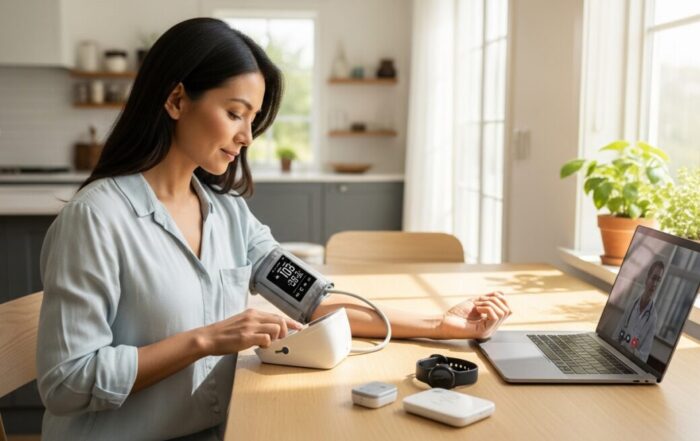
When your appointment time arrives, you will join the virtual waiting room through a secure link, often sent via email or text. It is advisable to test your device’s camera, microphone, and internet connection beforehand and to find a quiet, private space for the consultation. The visit itself will proceed much like an in-person appointment. The telemedicine doctor will greet you, verify your identity, and discuss your symptoms, medical history, and concerns. They will conduct a visual assessment, which can be remarkably effective for many conditions. They may ask you to describe your symptoms in detail, take your own temperature, or check your heart rate if you have the tools. For a deeper look at applying this process to ongoing care, our guide on how virtual doctor visits work for primary care telemedicine explores managing longitudinal health relationships remotely.
Following the discussion, the provider will render a diagnosis, discuss a treatment plan, and if appropriate, send a prescription electronically to your pharmacy of choice. They will also provide follow-up instructions and documentation, such as a visit summary or a note for work or school. The entire process, from login to logout, often takes less than 30 minutes, a fraction of the time required for a traditional office visit when accounting for travel and waiting.
What Conditions Can a Telemedicine Doctor Treat?
A common misconception is that virtual care is only for minor ailments. While it excels at addressing acute, common conditions, its scope is continually expanding. Telemedicine doctors are adept at evaluating and managing a wide array of health issues. Typical treatable conditions include upper respiratory infections (colds, sinusitis, bronchitis), urinary tract infections, skin rashes and conditions (like acne, eczema, or dermatitis), allergies, pink eye (conjunctivitis), and gastrointestinal complaints. Mental health support, including therapy and medication management for anxiety and depression, is also a cornerstone of telemedicine. Furthermore, telemedicine is powerful for chronic disease management, allowing for regular check-ins for conditions like diabetes, hypertension, and asthma, facilitating medication adjustments and lifestyle counseling without frequent office trips.
However, it is vital to understand the limitations. Virtual visits cannot handle medical emergencies such as chest pain, severe shortness of breath, stroke symptoms, or major trauma. These situations require immediate in-person emergency care. A telemedicine doctor also cannot perform physical maneuvers like listening to your heart and lungs with a stethoscope (though digital stethoscopes are emerging) or manipulate a joint. They rely heavily on patient-reported symptoms and visual cues. Therefore, the initial screening and patient honesty are critical. If a provider determines during a virtual visit that an in-person examination is necessary, they will direct you to the appropriate level of care, such as a primary care office, urgent care center, or emergency department.
The Technology and Security Behind the Scenes
The seamless experience of a virtual visit is powered by sophisticated, purpose-built technology. The platform must be reliable, intuitive for users of all tech levels, and, above all, secure. HIPAA-compliant video conferencing software is the standard, employing end-to-end encryption to ensure that your conversation and data cannot be intercepted. These platforms are integrated with electronic health record (EHR) systems, allowing the telemedicine doctor to document the visit securely and, if you consent, share information with your other healthcare providers.
Beyond video, technology enables other critical functions. Secure messaging allows for asynchronous communication and follow-up questions. Digital intake forms streamline administrative tasks. E-prescribing technology connects directly to pharmacy networks, reducing errors and speeding up fulfillment. For platforms that incorporate at-home testing, like Doctors Home, the technology ecosystem also manages the logistics of kit delivery, sample tracking, and digital result reporting. This integration creates a continuous loop of care: consultation, testing (if needed), diagnosis, treatment, and follow-up, all within a secure digital framework. The commitment to robust technology is what makes the promise of telemedicine, a convenient and safe healthcare experience, a daily reality for millions.
Benefits and Considerations for Patients
The advantages of using a telemedicine doctor are numerous and impactful. The most cited benefit is convenience. Virtual visits eliminate travel time, reduce time off work, and minimize exposure to other illnesses in waiting rooms. They also expand access, particularly for individuals in rural areas, those with mobility challenges, or people with transportation limitations. Telemedicine can lead to faster care, with on-demand options providing access in minutes or hours, not days. It often promotes better medication adherence and follow-up because check-ins are easier to schedule. From a cost perspective, telemedicine visits can be more affordable than in-person urgent care or emergency room visits for non-emergencies, and many insurance plans now cover them.
Despite these benefits, there are considerations. The quality of the visit depends on a stable internet connection and a suitable device. Not all medical issues are appropriate for a virtual format, as previously discussed. The patient-provider relationship may feel different without physical presence, though many find they can build strong rapport over video. It is also essential to use a reputable service that ensures you are seeing a properly licensed professional in your state, as medical licenses are state-specific. Weighing these factors helps you determine when a virtual visit is the right tool for your healthcare needs.
Frequently Asked Questions
Are prescriptions from telemedicine doctors legitimate? Yes, absolutely. A licensed telemedicine doctor can prescribe medications as appropriate for your condition, just as they would in person. Controlled substances have stricter federal and state regulations, but many non-controlled medications for common conditions are routinely prescribed. The prescription is sent electronically to a pharmacy of your choice.
Will my insurance cover a telemedicine visit? Coverage has expanded dramatically. Most private insurers, Medicare, and Medicaid now cover telemedicine services. However, coverage details (like copays) can vary. It is always best to check with your insurance provider or the telemedicine platform beforehand to understand your specific benefits.
What equipment do I need for a virtual visit? You need a smartphone, tablet, or computer with a camera, microphone, and speaker. A stable high-speed internet connection is crucial. You do not need any special medical equipment, though having a thermometer on hand can be helpful.
Is my medical information safe during a virtual visit? Reputable telemedicine platforms use HIPAA-compliant, encrypted software designed specifically for healthcare. Your video call and personal health information are protected by federal privacy laws. Always ensure the platform you are using explicitly states its compliance with HIPAA regulations.
Can I use telemedicine for my child? Yes, pediatric telemedicine is widely available. A parent or guardian must typically be present during the consultation to provide consent and medical history. The process for how virtual doctor visits work is similar, with the added step of verifying guardian identity.
The integration of telemedicine into the healthcare landscape represents a fundamental shift towards patient-centered, accessible care. Understanding how telemedicine doctors work demystifies the process and highlights its role as a powerful complement to traditional in-person medicine. By leveraging secure technology, virtual visits offer a practical solution for a wide range of medical needs, from acute illnesses to chronic condition management. As this field continues to evolve, it promises to further break down barriers, making quality healthcare more convenient, efficient, and within reach for everyone.
About the Author: Robert Hayes




Sign up for our newsletter and Save 20% on Test Kits
"*" indicates required fields