

How Telemedicine Consulting Services Optimize Healthcare Delivery
How Telemedicine Consulting Services Optimize Healthcare Delivery
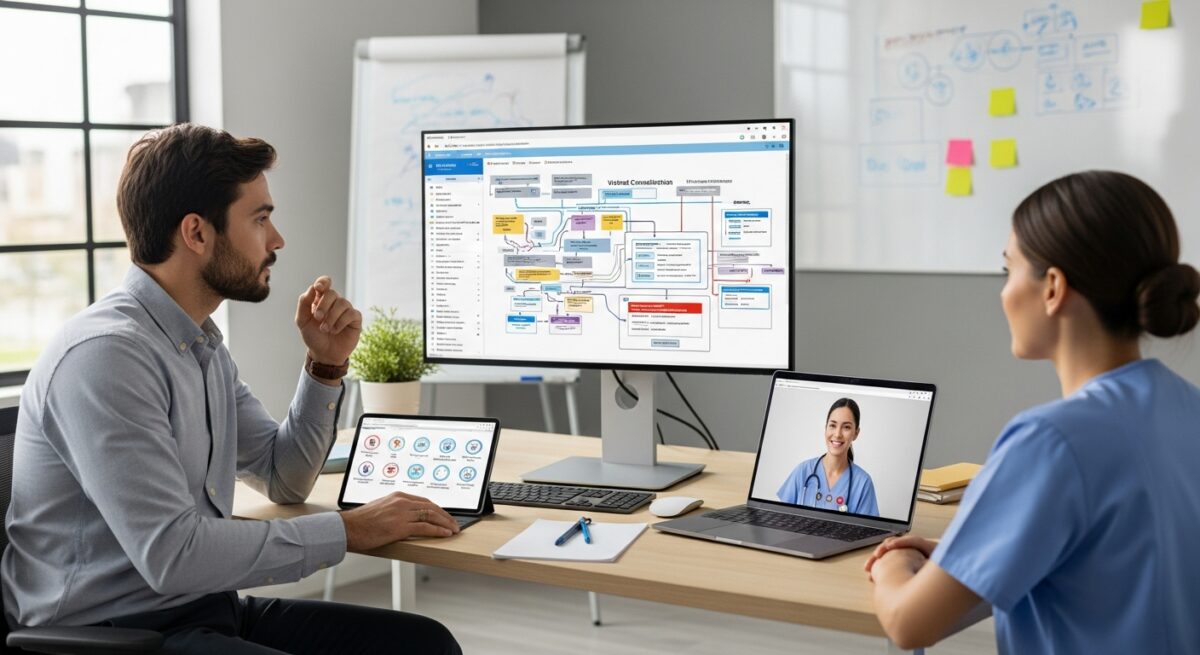
The landscape of healthcare delivery has undergone a seismic shift, with virtual care moving from a niche offering to a fundamental component of patient access. For healthcare providers, from independent practices to large hospital systems, this rapid evolution presents both immense opportunity and significant operational complexity. Simply purchasing a video conferencing platform is no longer sufficient. Successfully integrating a sustainable, compliant, and patient-centric telemedicine program requires strategic planning, technical expertise, and a deep understanding of evolving regulations. This is where specialized telemedicine consulting services for healthcare providers become an indispensable asset, transforming potential into a streamlined, effective, and profitable care model.
The Strategic Value of a Telemedicine Consultant
Engaging a telemedicine consultant is not an admission of a knowledge gap, but a strategic decision to accelerate growth and mitigate risk. These experts function as external strategists and implementers, bringing a wealth of cross-industry experience that is difficult to cultivate internally. They have navigated the pitfalls of telehealth integration multiple times across various practice types, allowing them to foresee challenges and design proactive solutions. A skilled consultant provides an objective, third-party analysis of your practice’s unique workflow, patient demographics, and financial structure, ensuring the resulting telemedicine program is not a generic bolt-on, but a bespoke extension of your clinical services. Their primary value lies in converting the abstract concept of “going digital” into a concrete, step-by-step action plan with measurable outcomes, saving your team countless hours of research, trial, and error.
Core Components of a Comprehensive Consulting Engagement
A high-quality telemedicine consulting service addresses the entire lifecycle of a virtual care program. It begins with a thorough needs assessment and strategic roadmap, defining clear goals for patient access, chronic disease management, or market expansion. Following this, the consultant delves into the critical area of technology selection and integration. This involves evaluating and recommending platforms not just on their video capabilities, but on how they integrate with your existing Electronic Health Record (EHR) system. Seamless integration is non-negotiable for clinician adoption and workflow efficiency, preventing the creation of frustrating data silos and duplicate documentation.
Perhaps the most complex area a telehealth consulting firm navigates is the regulatory and compliance landscape. This includes ensuring adherence to HIPAA and HITECH requirements for data security and privacy, navigating state-specific licensure compacts for cross-state care, and understanding the intricacies of reimbursement from Medicare, Medicaid, and private payers. Consultants provide vital guidance on proper documentation, billing code selection (like CPT codes 99202-99215 with modifier -95 or the specific GQ/GT modifiers for asynchronous and telehealth originating site), and compliance with controlled substance prescribing laws via telemedicine. They also develop the essential policies and procedures that govern your program, covering patient consent, appropriate use cases, technical failure protocols, and emergency procedures.
To ensure successful launch and adoption, consultants focus on operational workflow design and staff training. They map out the patient journey from scheduling to follow-up, redesigning front-desk and clinical staff roles. Comprehensive training for providers, nurses, and administrative staff builds confidence and ensures consistent, high-quality virtual visits. Finally, they establish key performance indicators (KPIs) and metrics for continuous improvement, tracking data on patient satisfaction (e.g., Net Promoter Score), no-show rates, provider productivity, revenue generated, and clinical outcomes. A consultant’s role in optimizing a hybrid care model is particularly valuable, as explored in our resource on the future of virtual health care services and their integration into standard practice.
Identifying the Right Telehealth Consulting Partner
Selecting a consulting partner is a critical decision. Look for a firm with a proven track record and relevant experience with organizations of your size and specialty. Their team should include not just project managers, but individuals with direct clinical, healthcare IT, legal, and revenue cycle management backgrounds. Transparency in methodology and a clear, phased project plan are essential. Be wary of consultants who offer a one-size-fits-all solution or who are overly tied to a single technology vendor, as their recommendations may not be objective. The ideal partner acts as a true advocate for your practice’s success, not a sales channel for a particular platform.
Key criteria to evaluate during selection include:
- Demonstrable Expertise: Case studies, client references, and deep knowledge of current CMS guidelines and state laws.
- Holistic Service Scope: Ability to address strategy, technology, compliance, operations, and change management.
- Clinical Understanding: Consultants who grasp clinical workflow nuances ensure solutions are provider-friendly.
- Data-Driven Approach: A focus on establishing measurable ROI and using data to guide optimization post-launch.
- Ongoing Support Model: Availability for post-implementation support as regulations and technologies evolve.
Measuring Return on Investment and Long Term Impact
The investment in telemedicine consulting services yields tangible financial and clinical returns. Financially, a well-structured program directly increases revenue by expanding patient capacity, reducing costly no-shows and last-minute cancellations, and opening new geographic service areas. It also creates operational efficiencies by optimizing staff time and reducing overhead associated with physical space. From a patient access and satisfaction perspective, telehealth dramatically improves convenience, reduces travel time and expense, and can lead to better engagement, particularly in chronic disease management and behavioral health. For the healthcare provider organization, it enhances competitive positioning, supports physician recruitment and retention by offering modern practice tools, and future-proofs the business against shifting patient expectations and market pressures. The long-term impact is a more resilient, flexible, and patient-centered organization.
Frequently Asked Questions for Healthcare Providers
Q: How much do telemedicine consulting services typically cost?
A: Costs vary widely based on practice size, scope, and consultant expertise. Models include fixed-fee project pricing, monthly retainer agreements, or hourly rates. A reputable consultant will provide a clear proposal outlining deliverables and costs. View this as a capital investment with a clear ROI, not just an expense.
Q: Can a small practice or solo practitioner benefit from a consultant?
A: Absolutely. In fact, smaller practices often benefit most, as they lack dedicated IT, compliance, and project management staff. Consultants provide that expertise on demand, allowing small practices to implement a professional-grade telemedicine program efficiently without overwhelming their limited team.
Q: How long does a typical consulting engagement last?
A: A full implementation, from assessment to launch and initial training, can take 3 to 6 months. Many providers then opt for an ongoing retainer for compliance updates, staff refresher training, and periodic program optimization as needs change.
Q: What is the single biggest mistake practices make when launching telemedicine without a consultant?
A: Underestimating the complexity of workflow integration and compliance. Practices often choose a cheap, standalone video tool that doesn’t connect to their EHR, leading to double documentation, clinician frustration, and potential billing errors or compliance gaps that can trigger audits.
Q: Do consultants help with marketing the new telemedicine service to patients?
A> Many do. This can include developing patient communication materials, updating website content, creating instructional videos, and advising on internal promotion strategies to ensure high patient adoption from the start.
In an era where digital health is no longer optional, partnering with expert telemedicine consulting services provides healthcare providers with a clear pathway to success. It transforms the daunting task of building a virtual care platform into a managed, strategic initiative. By leveraging external expertise, providers can confidently navigate technology selection, regulatory hurdles, and workflow redesign, ultimately launching a telemedicine program that enhances patient care, strengthens the practice’s financial health, and secures its relevance in the future of medicine. The goal is not just to add a video visit option, but to seamlessly weave virtual care into the fabric of your practice, creating a truly hybrid and patient-first model of healthcare delivery.
About the Author: Sarah Thompson





Sign up for our newsletter and Save 20% on Test Kits
"*" indicates required fields