

How Telehealth Systems Are Transforming Hospital and Clinic Care
How Telehealth Systems Are Transforming Hospital and Clinic Care

The digital stethoscope has arrived, and it is reshaping the very foundation of patient care. No longer a niche convenience, robust telehealth systems used by hospitals and clinics have become a critical component of modern healthcare infrastructure. These integrated digital health platforms are moving beyond simple video calls to become comprehensive care delivery engines, managing everything from chronic disease monitoring to post-operative follow-ups and specialist consultations. For healthcare organizations, the strategic implementation of these systems is no longer optional, it is a fundamental requirement for improving access, streamlining clinical workflows, and delivering patient-centered care in an increasingly connected world. The transformation is profound, touching every aspect of the care continuum from initial intake to long-term management.
The Core Components of Modern Hospital Telehealth Systems
Contemporary telehealth systems are sophisticated suites of interconnected tools, not standalone applications. At their heart is a secure, HIPAA-compliant video conferencing engine designed for clinical use, featuring high-definition video, clear audio, and tools for remote physical exam aids like digital otoscopes or stethoscopes. However, the true power lies in integration. These platforms are deeply embedded within the electronic health record (EHR), allowing for seamless charting, e-prescribing, and order entry directly from the virtual visit interface. This eliminates disruptive toggling between systems and ensures a complete patient record.
Another critical component is the patient-facing portal or mobile application. This serves as the digital front door, enabling patients to schedule appointments, complete intake forms, manage payments, and access educational materials. For clinics, robust scheduling and administrative modules are essential, handling provider calendars, waitlist management, and automated reminders that drastically reduce no-show rates. Finally, backend analytics and reporting dashboards give administrators visibility into utilization, patient outcomes, and provider productivity, enabling data-driven decisions to optimize the telehealth service line. Together, these components form a cohesive digital health platform that extends the physical walls of the institution.
Strategic Integration into Clinical Workflows
Successful adoption hinges on more than just technology purchase, it requires thoughtful integration into existing clinical workflows. The goal is to make telehealth a natural, efficient extension of care, not a disruptive add-on. This begins with identifying the most suitable use cases within a specific hospital or clinic. Common high-value applications include follow-up visits for chronic conditions like diabetes or hypertension, post-discharge check-ins to prevent readmissions, medication management consultations, pre-operative assessments, and mental behavioral health therapy. Each of these use cases has a defined workflow that the system must support.
For example, a streamlined workflow for a chronic care follow-up might involve the patient receiving a secure link via text or email. They click the link to enter a virtual waiting room on their device. The provider, alerted within the EHR that the patient has checked in, joins the visit with the patient’s chart already open. During the consult, the provider can review remote patient monitoring data (like glucose readings transmitted from the patient’s home device), adjust medications, and send an e-prescription directly to the pharmacy. After the visit, documentation is automatically filed in the EHR, and a follow-up task is generated. This seamless process minimizes friction for both provider and patient. Key considerations for workflow integration include ensuring adequate technical support for patients, training clinical staff on new protocols, and establishing clear guidelines for when a virtual visit is appropriate versus when an in-person evaluation is necessary.
Enhancing Care Access and Chronic Disease Management
One of the most significant impacts of telehealth systems is the dramatic expansion of care access. Hospitals use these platforms to reach patients in rural or underserved areas where specialist travel is a barrier. Clinic systems deploy them to offer extended hours without the overhead of keeping physical locations open. This directly addresses social determinants of health, such as transportation limitations or mobility issues, making consistent care more attainable. For managing chronic diseases, which account for a vast portion of healthcare spending, telehealth becomes a powerful tool for continuous engagement rather than episodic intervention.
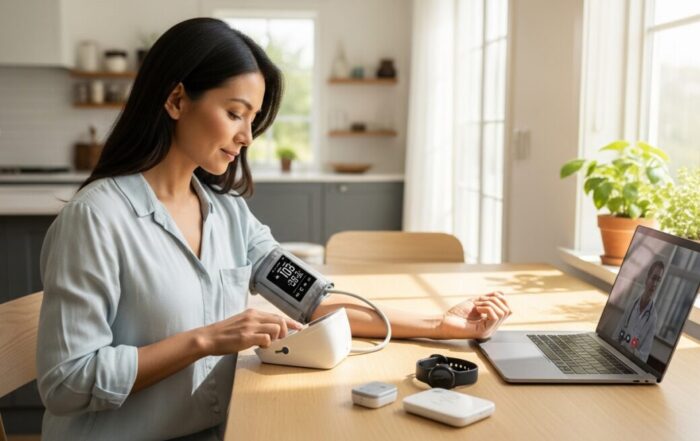
Integrated digital health platforms enable a shift from reactive to proactive care. Patients with congestive heart failure, for instance, can use connected scales and blood pressure cuffs at home. Data from these devices flows into the telehealth platform, where clinical rules can flag concerning trends. A nurse care manager can then initiate a video check-in before a full-blown exacerbation occurs, potentially preventing an emergency room visit. This model of remote patient monitoring (RPM) combined with virtual visits creates a continuous feedback loop, empowering patients in their own care and allowing providers to intervene earlier. The result is improved health outcomes, enhanced patient satisfaction, and more efficient use of healthcare resources.
Selecting and Implementing the Right Telehealth Platform
Choosing a telehealth system is a major strategic decision for any healthcare organization. The process must align with institutional goals, technical capabilities, and patient needs. A successful selection and implementation process typically involves several key phases. First, a multidisciplinary committee including clinicians, IT staff, administrators, and compliance officers should define specific requirements and desired outcomes. This group then evaluates potential vendors against a rigorous set of criteria.
The following are critical factors to assess during vendor selection:
- EHR Integration Depth: Does the platform offer bi-directional integration, or is it a superficial link? Deep integration is non-negotiable for clinical efficiency.
- Security and Compliance: The vendor must provide a Business Associate Agreement (BAA) and demonstrate HIPAA compliance through encryption, access controls, and audit trails.
- Usability for Patients and Providers: The interface should be intuitive, requiring minimal training. Assess the patient experience on various devices (smartphone, tablet, computer).
- Scalability and Reliability: Can the system handle peak usage volumes without downtime? What is the vendor’s uptime guarantee and support structure?
- Interoperability and Ecosystem: Does the platform connect with other digital tools, such as remote monitoring devices, pharmacy systems, or lab networks?
Implementation requires a phased approach, starting with a pilot program for a specific department or use case. This allows for workflow refinement, staff training, and bug identification before a system-wide rollout. Comprehensive training for all users, including front-desk staff, clinicians, and patients, is crucial. Furthermore, developing clear patient communication materials that explain how to access and use the service will drive adoption. Ongoing evaluation of metrics like utilization rates, patient satisfaction scores, and clinical outcomes is essential to demonstrate ROI and guide future optimization of the telehealth systems used by hospitals and clinics.
Overcoming Common Challenges and Barriers
Despite the clear benefits, healthcare organizations face significant hurdles in deploying telehealth. Reimbursement parity, while improved, can still be complex and varies by payer and state. Hospitals must have dedicated staff to navigate this landscape. The digital divide presents another major barrier; not all patients have reliable internet access or the digital literacy to engage with these platforms. Solutions include offering low-bandwidth audio-only options, providing technical support hotlines, and creating designated telehealth access points within community centers.
Provider burnout is a real concern if telehealth is added as an uncompensated burden on top of existing in-person schedules. Successful institutions design sustainable provider schedules that blend virtual and in-person visits, protecting provider time and preventing fatigue. Licensure and cross-state practice regulations also complicate care delivery, though the expansion of interstate compacts and federal waivers has eased some restrictions. Finally, ensuring clinical quality and maintaining the human connection in a virtual setting requires deliberate effort. Providers must be trained in “webside manner,” learning to convey empathy, actively listen, and conduct focused assessments through a camera. Addressing these challenges head-on with thoughtful policies and support structures is key to long-term success.
Frequently Asked Questions
Are telehealth visits as effective as in-person appointments for hospitals?
For many use cases, yes. Numerous studies have shown telehealth to be clinically effective for follow-up care, chronic disease management, mental health, and certain specialty consultations. The key is appropriate patient selection. Telehealth excels at managing established conditions, reviewing data, and providing counseling. It is less suitable for new, complex symptoms requiring a hands-on physical exam.
How do hospitals ensure patient privacy during a virtual visit?
Reputable telehealth platforms used by hospitals employ end-to-end encryption, secure login protocols, and are hosted in HIPAA-compliant cloud environments. Patients should be advised to use a private location and a secure network (not public Wi-Fi). The platform should not allow unauthorized recording of sessions.
What happens if a technical failure occurs during a hospital telehealth visit?
Clinical protocols should include backup plans. This often involves switching to an audio-only phone call to complete the consultation. If the connection cannot be restored, the visit is rescheduled, and clear instructions are given to the patient on what to do if their condition worsens in the interim.
Can a provider prescribe medication through a hospital’s telehealth system?
Yes, when clinically appropriate. Integrated e-prescribing (eRx) is a standard feature of these platforms. Providers can send prescriptions electronically to the patient’s pharmacy of choice. Controlled substance prescriptions via telehealth are subject to stricter federal and state regulations.
How do patients without smartphones or computers access these services?
Progressive hospitals address this by offering loaner devices, establishing private telehealth kiosks in clinics or community partners, or facilitating visits where a community health worker assists the patient with technology on-site. The goal is to design for equity, not just convenience.
The evolution of telehealth systems marks a permanent shift in care delivery. For hospitals and clinics, these are not just pandemic stopgaps but foundational tools for building more resilient, accessible, and efficient healthcare models. By strategically selecting platforms that integrate deeply into clinical workflows, focusing on high-value use cases like chronic disease management, and proactively addressing barriers to access, healthcare organizations can harness digital health technology to improve outcomes for entire patient populations. The future is hybrid, and the institutions that master the integration of physical and virtual care will lead in quality, patient satisfaction, and sustainability.
About the Author: Jessica Martinez




Sign up for our newsletter and Save 20% on Test Kits
"*" indicates required fields