

How Telehealth for Sports Injuries Improves Recovery and Access
How Telehealth for Sports Injuries Improves Recovery and Access

You’ve just twisted your ankle during a weekend game, or you’re a dedicated runner battling persistent knee pain. The thought of scheduling a doctor’s appointment, taking time off work, and sitting in a waiting room feels like another hurdle on your road to recovery. This common scenario is exactly where telehealth for sports injuries transforms the patient experience. Virtual sports medicine is no longer a futuristic concept, it’s a practical, immediate solution for athletes and active individuals at all levels. By connecting patients with licensed sports medicine physicians, physical therapists, and orthopedic specialists through digital platforms, this model delivers expert guidance directly to your home, gym, or field. This shift is not about replacing all in-person care, but about creating a smarter, more responsive first line of defense that prioritizes convenience without compromising on quality.
The Scope of Sports Injuries Managed Through Telehealth
Understanding what conditions can be effectively addressed via a virtual visit is crucial for setting realistic expectations. Telehealth for sports injuries excels in the evaluation and management of a wide range of acute, subacute, and chronic musculoskeletal issues. The initial assessment, often the most critical step, can frequently be accomplished through a detailed history and a guided physical exam. Patients can be instructed on how to palpate for tenderness, assess their own range of motion, and perform specific movements under the watchful eye of a clinician. This process is highly effective for common overuse injuries like tendonitis (Achilles, patellar, rotator cuff), stress reactions, and muscle strains. Joint pain in the shoulder, knee, ankle, and wrist is also routinely evaluated. For acute injuries, such as mild sprains, contusions, or suspected minor fractures, a telehealth consultation can provide immediate first-aid advice, help determine the urgency of in-person imaging, and initiate a management plan to control swelling and pain. The remote model is also powerful for follow-up care after an initial diagnosis, monitoring healing progress, adjusting rehabilitation protocols, and managing post-operative recovery once the surgical site is stable.
The Direct Benefits for Athletes and Active Patients
The advantages of utilizing telehealth services for sports medicine extend far beyond simple convenience. They translate into tangible improvements in outcomes, access, and the overall healthcare journey. First, it dramatically reduces time to care. Instead of waiting days or weeks for an opening, you can often connect with a specialist within hours. This speed is critical for initiating the RICE protocol (Rest, Ice, Compression, Elevation) correctly or for getting started on a rehabilitation exercise program that prevents stiffness and muscle atrophy. Second, it eliminates geographical barriers. Athletes in rural areas or those who travel frequently can maintain continuity of care with their preferred specialist without lengthy commutes. Third, it fosters better adherence to treatment plans. The ease of follow-up visits means clinicians can check in more frequently, answer questions in real-time, and modify exercises based on patient feedback, leading to more consistent progress. This model of continuous, accessible support is a cornerstone of effective recovery. Furthermore, telehealth can be more cost-effective, saving on travel expenses and potentially reducing the number of unnecessary in-person visits. For student-athletes, busy professionals, or parents, the ability to fit a consultation into a lunch break or between commitments removes a significant logistical burden, making it more likely that an injury will be addressed promptly rather than ignored.
When an In-Person Visit is Still Necessary
While telehealth is remarkably versatile, it is not a panacea. Responsible healthcare requires clear guidelines on its limitations. Certain situations unequivocally demand an in-person evaluation. These include any injury with obvious deformity, an inability to bear weight on a lower extremity, or a joint that appears dislocated. Severe, uncontrolled pain, numbness or tingling that suggests nerve compression, and signs of infection (like fever, redness, or warmth) also require immediate physical assessment. High-impact trauma, such as from a car accident or a fall from height, should be evaluated in an emergency department. Furthermore, any condition that requires hands-on manipulation, detailed joint stability testing beyond a patient’s self-capability, or immediate imaging like X-rays or MRIs will necessitate a clinic visit. A key strength of a quality telehealth platform is the provider’s ability to recognize these red flags and direct the patient to the appropriate level of in-person care without delay. This triage function is itself a valuable service, ensuring patients use emergency resources appropriately and get to the right specialist faster.
The Step-by-Step Process of a Virtual Sports Medicine Visit
Knowing what to expect can help patients prepare for a successful and productive consultation. The process is streamlined and patient-centric. It typically begins with a secure online intake where you detail your injury, medical history, and current symptoms. Before the video call, gather any relevant information: the mechanism of injury (exactly how it happened), what makes the pain better or worse, and what you’ve tried so far for relief. Have your athletic shoes, any braces or kinesiology tape you use, and a space where you can move comfortably. During the live video consultation, the provider will discuss your history in depth and then guide you through a visual examination. You might be asked to walk, squat, lift your arm, or demonstrate the motion that causes pain. They will instruct you on how to feel for swelling or pinpoint tenderness. Based on this collaborative assessment, the provider will develop a personalized plan. This plan often includes:
- A clear diagnosis or a differential diagnosis with next steps.
- Immediate home-care instructions for pain and inflammation management.
- A prescribed set of initial rehabilitation exercises, often with links to video demonstrations.
- Guidance on activity modification: what you can safely continue and what to avoid.
- Recommendations for over-the-counter supports or braces.
- A decision on whether in-person follow-up, physical therapy, or diagnostic imaging is needed.
If prescription medication, like anti-inflammatories or muscle relaxants, is deemed appropriate, it can often be sent electronically to your pharmacy. The provider will also schedule a logical follow-up, either virtual or in-person, to monitor your progress. This structured yet flexible approach mirrors the efficiency seen in other virtual care models, such as the process for managing common illnesses detailed in our resource on how telehealth for cold and flu symptoms transforms care.
Integrating Technology and Tools for Enhanced Care
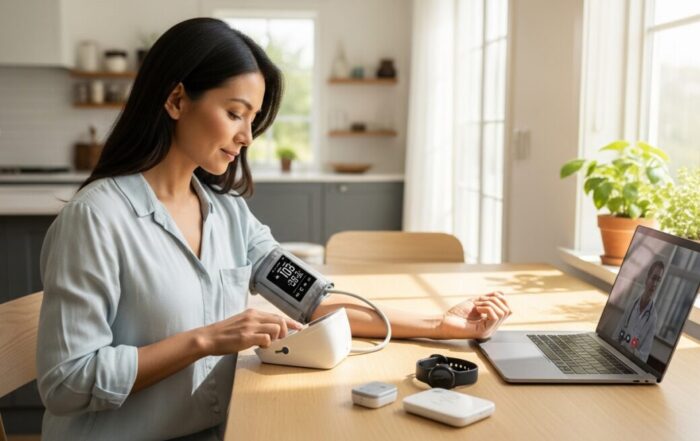
The efficacy of telehealth for sports injuries is supercharged by the integration of complementary digital tools and wearable technology. Patients are increasingly empowered to become active participants in their own data collection. Wearable devices like smartwatches and fitness trackers can provide objective metrics on activity levels, heart rate, and even estimated load, which can be invaluable for monitoring a return to sport. Some platforms integrate with digital goniometers (angle measurement apps) or force-sensing insoles to add quantitative data to the subjective exam. Furthermore, the rise of at-home testing kits and digital health monitoring tools creates new synergies. For instance, while not directly diagnostic for a ligament tear, understanding a patient’s overall health metrics can inform recovery. Platforms like Doctors Home facilitate access to these tools, creating a more holistic view of patient health. This integration of consultation, data, and follow-up represents the core of modern digital healthcare, where technology bridges the gap between clinic visits and daily life, ensuring care is continuous and data-driven.
Frequently Asked Questions About Telehealth for Sports Injuries
Can I get a prescription for physical therapy through telehealth?
Yes. A telehealth provider can evaluate your condition and, if appropriate, write a prescription for physical therapy. They can often recommend local therapists or discuss telerehabilitation options where you guide yourself through exercises with remote supervision.
Will my insurance cover a telehealth visit for a sports injury?
Coverage has expanded significantly. Most major insurers and Medicare now cover telehealth visits for musculoskeletal conditions. It is always advisable to check with your specific insurance provider to understand your copay and coverage details before your appointment.
Is telehealth suitable for concussions or head injuries?
No. Suspected concussions or any head injury with symptoms like loss of consciousness, confusion, dizziness, or nausea require immediate in-person medical evaluation. Telehealth can be useful for follow-up management of a diagnosed concussion once the acute phase has passed.
How do I show my injury to the doctor during the video call?
Good lighting is key. Position your camera so the provider can see the injured area and the surrounding joints. Be prepared to move the camera closer for detail or to pan out to show your full posture and movement. Wear appropriate clothing that allows easy access to the injured area (e.g., shorts for a knee exam).
Can I use telehealth for pre-participation physicals or clearance to return to sport?
This depends on state regulations and league requirements. Many components of a physical can be done virtually, but the need for auscultation (listening to the heart and lungs) and other hands-on checks often requires an in-person visit. A telehealth provider can advise on what can be accomplished remotely and what needs to be done in person to fulfill specific requirements.
The landscape of sports medicine is evolving to meet the demands of modern life. Telehealth for sports injuries represents a pragmatic, effective, and accessible entry point into the healthcare system for millions of active people. It demystifies the initial assessment, accelerates the start of treatment, and maintains a supportive connection between patient and provider throughout the recovery journey. By knowing when to use virtual care and when to seek in-person evaluation, patients can navigate their injuries with greater confidence and efficiency. This model, part of the broader shift towards hybrid care, ensures that expert advice is just a click away, helping you return to the activities you love safely and swiftly. Just as virtual care has revolutionized access for mental health support, detailed in our article on how telehealth for anxiety treatment is changing mental health care, it is now doing the same for physical recovery and athletic performance.
About the Author: Brian Carter




Sign up for our newsletter and Save 20% on Test Kits
"*" indicates required fields