
How Telehealth for Heart Health Is Transforming Cardiac Care
How Telehealth for Heart Health Is Transforming Cardiac Care
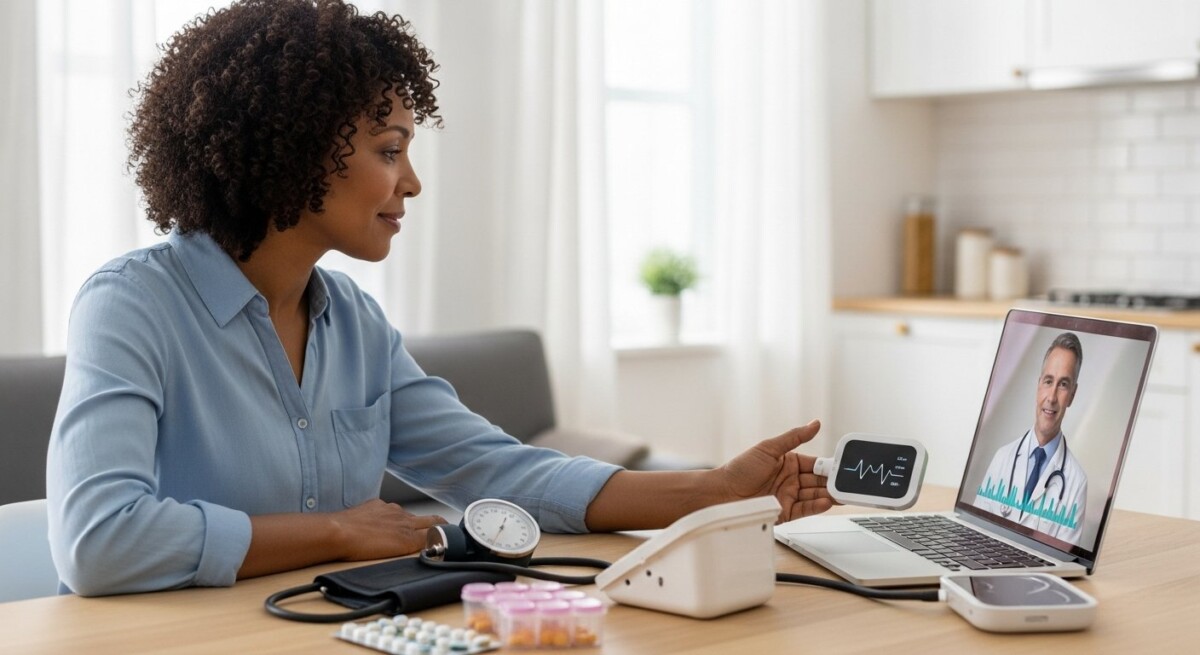
For millions of Americans, managing a heart condition involves a familiar, often burdensome routine: scheduling appointments months in advance, taking time off work, arranging transportation, and sitting in waiting rooms, all for a brief check-in that may last only 15 minutes. This traditional model creates significant barriers to consistent, proactive care, which is precisely what chronic conditions like hypertension, heart failure, and coronary artery disease demand. Now, a powerful shift is underway. Telehealth for heart health is moving beyond simple video calls to become a comprehensive, integrated system for monitoring, managing, and preventing cardiovascular disease. By leveraging secure digital platforms, remote monitoring devices, and virtual specialist access, this model is making heart care more continuous, convenient, and data-driven than ever before, fundamentally changing the patient-provider relationship and improving outcomes.
The Core Components of Cardiac Telehealth
Modern cardiac telehealth is not a single tool but a synergistic ecosystem. At its foundation are synchronous video visits, which allow for face-to-face consultations without travel. These are crucial for discussing symptoms, reviewing treatment plans, and building the patient-doctor rapport that is essential for chronic disease management. However, the true transformative power lies in asynchronous communication and remote patient monitoring (RPM). RPM involves patients using FDA-cleared devices at home, such as blood pressure cuffs, Bluetooth-enabled scales, pulse oximeters, and single-lead ECG patches, to automatically transmit vital data to their care team. This creates a continuous stream of objective health information, painting a far more accurate picture of a patient’s status than sporadic in-office readings, which can be skewed by “white coat syndrome” or simply miss critical fluctuations that occur at home.
Furthermore, digital health platforms integrate this data with patient-reported outcomes and symptoms, allowing for sophisticated risk stratification. Algorithms can flag concerning trends, like a steady increase in daily weight (a key warning sign for heart failure exacerbation) or persistently elevated blood pressure, alerting clinicians to intervene early, often before a patient feels acutely unwell. This proactive approach is the cornerstone of preventing hospital readmissions and emergency room visits. The integration of these tools mirrors advancements in other specialties, where remote monitoring is proving invaluable, as seen in our resource on how telehealth for sports injuries improves recovery through continuous tracking and virtual follow-up.
Managing Specific Heart Conditions Remotely
The application of telehealth is particularly effective for several high-prevalence cardiovascular conditions. For hypertension management, the ability to review weeks of home blood pressure logs during a virtual visit enables truly personalized medication titration. Clinicians can see if a medication is working throughout the day and adjust dosages or timing with precision, leading to better control and potentially reducing the number of medications needed. In heart failure care, daily weight and symptom tracking are paramount. A nurse care coordinator can receive an alert for sudden weight gain and immediately contact the patient to assess for fluid retention, potentially initiating diuretic therapy over the phone and preventing a costly and dangerous hospitalization.
For patients with atrial fibrillation (AFib), telehealth offers tools for both monitoring and education. Mobile cardiac telemetry devices can detect arrhythmia episodes and transmit reports to electrophysiologists. Virtual visits are then used to discuss symptoms, review anticoagulation medication adherence, and manage stroke risk factors. Post-cardiac event and post-surgical care, such as after a stent placement or bypass surgery, is another area where telehealth shines. Routine follow-up appointments can be conducted virtually, saving patients from strenuous travel early in recovery, while ensuring they are progressing as expected and adhering to crucial lifestyle and medication regimens.
Tangible Benefits for Patients and the Healthcare System
The advantages of integrating telehealth into cardiac care pathways are extensive and well-documented. The most immediate benefit for patients is dramatically improved access. Geographic and transportation barriers dissolve, making specialist care available to rural populations and those with mobility issues. Convenience is greatly enhanced, reducing time away from work and family. This often leads to higher patient satisfaction and engagement, as individuals feel more in control of their health journey. From a clinical outcomes perspective, studies consistently show that remote patient monitoring programs for heart failure and hypertension lead to significant reductions in hospital admissions, length of stay, and mortality rates. Early intervention becomes the norm.
The healthcare system benefits from increased efficiency and potential cost savings. By preventing expensive acute care episodes, payers and health systems see a strong return on investment. Providers can manage larger panels of stable chronic disease patients virtually, freeing up in-person clinic slots for new patients and those with complex, hands-on needs. This hybrid model optimizes resource allocation. The benefits of improved access and continuity are not unique to cardiology, they are also critical in other areas of ongoing care, such as telehealth for prenatal care, which provides essential support between obstetric visits.
Implementing Telehealth in Your Heart Care Routine
Adopting a telehealth approach requires some initial steps from both patients and providers. First, discuss the possibility with your cardiologist or primary care physician. Not all conditions are suitable for purely remote management, and an in-person physical exam is sometimes irreplaceable. Your doctor can determine if your situation is appropriate for a hybrid care plan. You will likely need a few basic technological components: a reliable internet connection, a smartphone, tablet, or computer with a camera and microphone, and familiarity with the patient portal platform your health system uses.
For remote monitoring, your care team may prescribe or recommend specific devices. It is critical to use clinically validated tools rather than consumer wellness gadgets. Common devices include:
- Automated Blood Pressure Cuff: An upper-arm cuff that can store and transmit readings.
- Bluetooth-Enabled Weight Scale: Transmits daily weights seamlessly to a paired app.
- Pulse Oximeter: Measures blood oxygen saturation, important for heart and lung conditions.
- Single-Lead ECG Device: A handheld device or patch that records heart rhythm on demand when symptoms occur.
Preparing for a virtual cardiac visit is similar to an in-person one. Have your recent logs of vitals (blood pressure, weight, heart rate) and a list of current medications, including doses and any side effects, ready. Note any new or worsening symptoms, such as shortness of breath, chest discomfort, swelling, or dizziness. Write down your questions beforehand to ensure you cover all concerns during the limited time. Test your technology, camera, and audio ahead of the appointment to avoid connection issues.
Addressing Challenges and the Future of Cardiac Telehealth
Despite its promise, telehealth for heart health faces hurdles. The “digital divide” remains a serious concern, as older adults and low-income populations may lack access to broadband internet or smart devices. Reimbursement policies from insurers and Medicare are evolving but can still be a patchwork, creating confusion for providers. Data security and privacy are paramount when transmitting sensitive health information, requiring platforms to use HIPAA-compliant, encrypted technology. Perhaps the most significant limitation is the inability to perform a hands-on physical exam. A virtual provider cannot listen to heart or lung sounds, palpate pulses, or check for leg edema. This makes patient-reported symptoms and objective data from remote devices even more critical.
Looking forward, the integration of artificial intelligence (AI) and machine learning will take remote monitoring to new levels. AI algorithms will analyze the vast streams of data from wearables and home devices to predict individual patient risks with greater accuracy, suggesting interventions before a human clinician even spots a trend. The expansion of implantable and wearable continuous monitors will provide even richer data sets. Furthermore, telehealth will become more deeply embedded in a truly integrated, patient-centered medical home, where cardiologists, primary care doctors, nutritionists, and pharmacists collaborate seamlessly through shared digital platforms. The goal is a future where heart care is invisible, continuous, and preventive, seamlessly woven into the fabric of daily life rather than being an episodic event.
Frequently Asked Questions
Is telehealth for heart health covered by insurance? Coverage has expanded significantly, especially since the COVID-19 pandemic. Medicare, Medicaid, and most private insurers now cover telehealth visits for cardiac care, though coverage for specific remote monitoring programs may vary. Always check with your insurance provider for details on copays and eligibility.
Can I get a prescription for heart medication through a telehealth visit? Yes, licensed providers conducting telehealth visits can prescribe medications for chronic conditions like hypertension, high cholesterol, and certain arrhythmias, provided they have established a patient-provider relationship and conducted an appropriate evaluation. They cannot typically prescribe controlled substances via telehealth alone.
What happens if my remote monitoring data shows an emergency? Reputable telehealth and RPM programs have clear protocols. If your data shows dangerously high blood pressure or other critical alerts, the monitoring center will attempt to contact you immediately. If you cannot be reached or are experiencing severe symptoms (like chest pain), they will instruct you to call 911 or will initiate an emergency response themselves.
How accurate are home blood pressure monitors compared to clinic readings? When using an FDA-cleared, validated, upper-arm cuff properly, home readings are often more accurate than clinic readings for managing hypertension. They eliminate “white coat syndrome” and provide a broader view of your blood pressure in your daily environment. It’s important to have your device checked for accuracy periodically.
Do I still need to see my cardiologist in person? Telehealth is best viewed as a component of a hybrid care model. You will likely still need periodic in-person visits for essential hands-on examinations, certain tests like echocardiograms or stress tests, and procedures. Your doctor will create a schedule that blends virtual and in-person care optimally for your specific condition.
The integration of telehealth into cardiovascular care represents a paradigm shift from reactive to proactive, from episodic to continuous. It empowers patients with knowledge and tools, connects them to their care team more frequently, and leverages data to prevent crises before they begin. While it does not replace the vital role of in-person medicine, it creates a powerful, flexible, and patient-centered layer of support. For anyone managing a heart condition, exploring telehealth options with their provider is a proactive step toward more convenient, consistent, and ultimately, healthier future.
About the Author: Matthew Sullivan





Sign up for our newsletter and Save 20% on Test Kits
"*" indicates required fields