

How Telehealth Bridges the Rural Healthcare Access Gap
How Telehealth Bridges the Rural Healthcare Access Gap
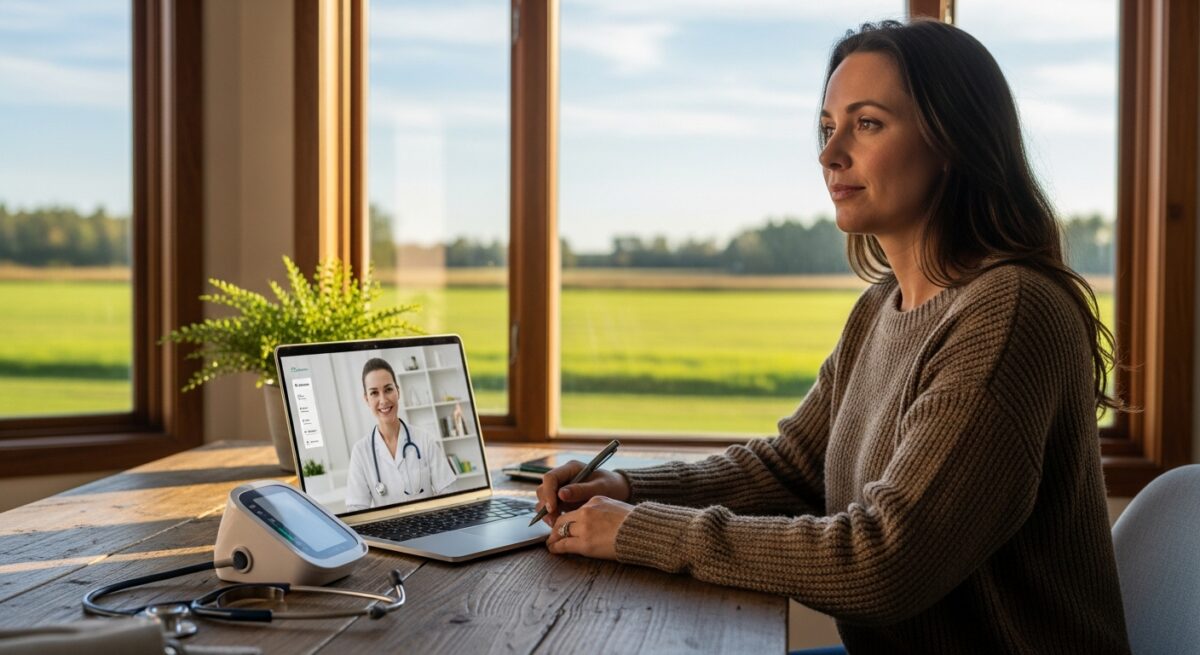
For millions of Americans living in rural communities, accessing a doctor often requires a significant journey, both in time and distance. The nearest specialist might be hours away, local clinics may have limited hours or services, and harsh weather can make any trip treacherous. This geographic and resource isolation creates a profound healthcare disparity, leading to delayed diagnoses, poorer management of chronic conditions, and worse health outcomes. However, a powerful digital solution is transforming this landscape: telehealth. By leveraging video calls, remote monitoring, and digital communication, telehealth in rural areas is fundamentally improving access to healthcare, bringing quality medical consultation to the places that need it most.
The Rural Healthcare Challenge and the Telemedicine Solution
The barriers to healthcare in rural America are multifaceted and deeply entrenched. A primary issue is the sheer shortage of providers. Rural areas suffer from a significant deficit of physicians, specialists, and mental health professionals compared to urban centers. This shortage means longer wait times for appointments and, for many, the impossibility of seeing a specialist without undertaking a major trip. Transportation is another critical hurdle. Patients may lack reliable personal vehicles, face prohibitive fuel costs, or depend on scarce public transit options. Furthermore, rural hospitals have been closing at an alarming rate, stripping communities of emergency care and basic inpatient services and forcing residents to travel even farther for care.
Telehealth directly confronts these challenges by decoupling healthcare delivery from physical location. A patient with diabetes in a remote town can now have a routine check-in with an endocrinologist via a secure video platform. A farmer experiencing new cardiac symptoms can get a timely consultation with a cardiologist without leaving their county. This virtual connection eliminates travel time and expense, reduces time away from work or family, and expands the available pool of providers far beyond the local zip code. It represents a paradigm shift from a model where the patient must go to the care, to one where care can come to the patient.
Key Applications and Benefits of Rural Telehealth
The use cases for telemedicine in rural areas are vast and address some of the most pressing health needs. One of the most significant impacts is in the realm of chronic disease management. Conditions like diabetes, hypertension, and heart disease are prevalent in rural populations and require consistent monitoring and medication management. Telehealth enables regular virtual visits for medication adjustments and lifestyle counseling. Coupled with remote patient monitoring devices (like Bluetooth-enabled blood pressure cuffs or glucose meters), providers can track patient data in real-time and intervene proactively, preventing complications and hospitalizations.
Mental and behavioral health services have seen a revolutionary improvement in access through telehealth. The stigma associated with seeking mental health care can be amplified in close-knit rural communities, and providers are exceedingly rare. Telepsychiatry and virtual therapy sessions allow individuals to confidentially connect with licensed professionals from the privacy of their own homes, breaking down both geographic and social barriers to care. This is crucial, as our guide on how telehealth for anxiety treatment is changing mental health care illustrates the profound accessibility benefits of virtual visits for common conditions.
Specialist consultations, often called “tele-specialty” care, are another cornerstone. Instead of traveling hundreds of miles for a 15-minute follow-up with a neurologist, dermatologist, or oncologist, patients can attend these appointments virtually. This is particularly valuable for post-operative follow-ups, medication reviews, and second opinions. School-based telehealth programs bring care to rural children directly, reducing absenteeism and allowing for early intervention. Furthermore, telehealth supports emergency care through “telestroke” networks, where rural ER doctors can immediately consult with neurologists to guide time-sensitive treatment for stroke patients.
The benefits of this model are substantial and measurable:
- Improved Health Outcomes: Timely access leads to earlier diagnosis, better management of chronic diseases, and increased adherence to treatment plans.
- Significant Cost Savings: Patients save on travel, fuel, and lost wages. Healthcare systems save by reducing unnecessary emergency room visits and hospital readmissions.
- Enhanced Patient and Provider Satisfaction: Convenience for patients and the ability for providers to extend their reach create a more efficient and satisfying care experience.
- Strengthened Local Healthcare: Telehealth supports rural clinics and hospitals by providing them with specialist backup, helping them retain patients locally, and improving their standard of care.
Overcoming Barriers to Telehealth Adoption in Rural Communities
Despite its promise, the expansion of telehealth for rural areas faces its own set of obstacles. The most fundamental is the digital divide. Broadband internet access remains inconsistent, slow, or unaffordable in many rural regions. Without a reliable, high-speed connection, video consultations are impossible. Cellular service can also be spotty. Even when infrastructure exists, a lack of digital literacy among some patient populations, particularly older adults, can hinder adoption. Patients may be unfamiliar with the technology required for a virtual visit or lack confidence in using it.
Policy and reimbursement issues have historically been a major brake on growth. Varying state licensure laws make it difficult for providers to see patients across state lines. While Medicare and Medicaid have expanded coverage for telehealth services, especially after the COVID-19 pandemic, payment parity (paying the same rate for a virtual visit as an in-person one) and the permanence of these flexibilities are not guaranteed. Private insurers also have their own, often complex, rules for telehealth reimbursement.
Successful implementation requires targeted strategies. Investing in broadband infrastructure is a public policy imperative. In the meantime, healthcare organizations can establish telehealth “hubs” in community centers, libraries, or local clinics where high-speed internet is available. Providing simple, clear technical support and patient education is essential to build comfort and trust. On the policy front, advocating for permanent expanded reimbursement and cross-state licensure compacts is critical for long-term sustainability. The model must be designed with the rural user in mind, prioritizing simplicity and reliability over technological complexity.
The Future of Integrated Hybrid Care in Rural Settings
The most effective future for rural healthcare is not a choice between in-person and virtual care, but a strategic blend of both: the hybrid care model. In this model, telehealth handles routine follow-ups, chronic disease check-ins, mental health therapy, and specialist consultations. In-person visits are reserved for situations that require a physical exam, diagnostic procedures, or hands-on treatment. This optimized division of labor makes the most efficient use of scarce local resources and patient time.
Integration with other digital health tools will deepen telehealth’s impact. The seamless incorporation of data from at-home testing kits (for conditions like UTIs, STIs, or cholesterol) into the virtual visit allows for richer, data-informed consultations. Digital pharmacies can deliver prescribed medications directly to the patient’s door, completing the care continuum. Remote patient monitoring will become more sophisticated, potentially integrating with wearable devices to provide a continuous stream of health data to care teams, enabling truly proactive and preventive care.
For platforms like Doctors Home, this evolution means providing a comprehensive, user-friendly ecosystem. This includes not only the virtual consultation platform but also integrated access to prescribed medications for eligible conditions and vetted at-home testing kits. The goal is to create a cohesive patient journey where accessing care, receiving a diagnosis, obtaining treatment, and managing health becomes a streamlined, accessible process, regardless of the patient’s geographic coordinates. The ultimate vision is an equitable healthcare system where your zip code no longer determines the quality of care you receive.
Frequently Asked Questions
What equipment do I need for a telehealth visit in a rural area?
At a minimum, you need a smartphone, tablet, or computer with a camera and microphone, and a reliable internet connection (DSL, cable, or cellular data). If your home internet is weak, consider using a community hub like a library or clinic that offers broadband. A list of required or recommended apps will typically be provided by your healthcare provider before the appointment.
Does insurance, including Medicare, cover telehealth visits?
Coverage has expanded dramatically. Medicare covers telehealth for many services, especially for beneficiaries in rural health professional shortage areas. Medicaid coverage varies by state but is generally broad. Most private insurance plans now include telehealth benefits. It is always advisable to check with your specific insurance provider to understand your copay, deductible, and any visit limitations.
Can I get a prescription through a telehealth visit?
Yes, licensed providers can prescribe medications during a telehealth consultation when clinically appropriate. This includes medications for a wide range of conditions. However, controlled substances typically have stricter regulations and may require an in-person evaluation depending on state and federal law. The provider will determine if a prescription is suitable based on the virtual assessment.
Is telehealth as effective as in-person care for serious conditions?
For many consultations, yes. Studies show telehealth is effective for managing chronic diseases, mental health, dermatology issues, and follow-up visits. It is a tool for evaluation, diagnosis, and management. However, it does not replace all in-person care. Emergencies, conditions requiring a hands-on physical exam, or certain procedures will always need a physical visit. Telehealth is best viewed as a complementary, highly accessible component of a full spectrum of care.
How can I ensure my privacy during a telehealth session?
Reputable telehealth platforms use encrypted, HIPAA-compliant software designed to protect your health information. To protect your own privacy, conduct your visit in a private room, use a secure internet connection (avoid public Wi-Fi), and ensure no one else can overhear your conversation. You can ask your provider about their specific privacy and security measures before your visit.
The transformation of rural healthcare through telehealth is already underway. By overcoming the tyranny of distance, it is delivering on the fundamental promise of equitable access. While challenges around connectivity and policy remain, the trajectory is clear. Telehealth is not merely a temporary workaround, it is becoming a permanent, vital pillar of a modern, resilient, and just healthcare system for all Americans, no matter where they call home.
About the Author: Olivia Bennett




Sign up for our newsletter and Save 20% on Test Kits
"*" indicates required fields