

How Remote Patient Monitoring Transforms Chronic Disease Management
How Remote Patient Monitoring Transforms Chronic Disease Management
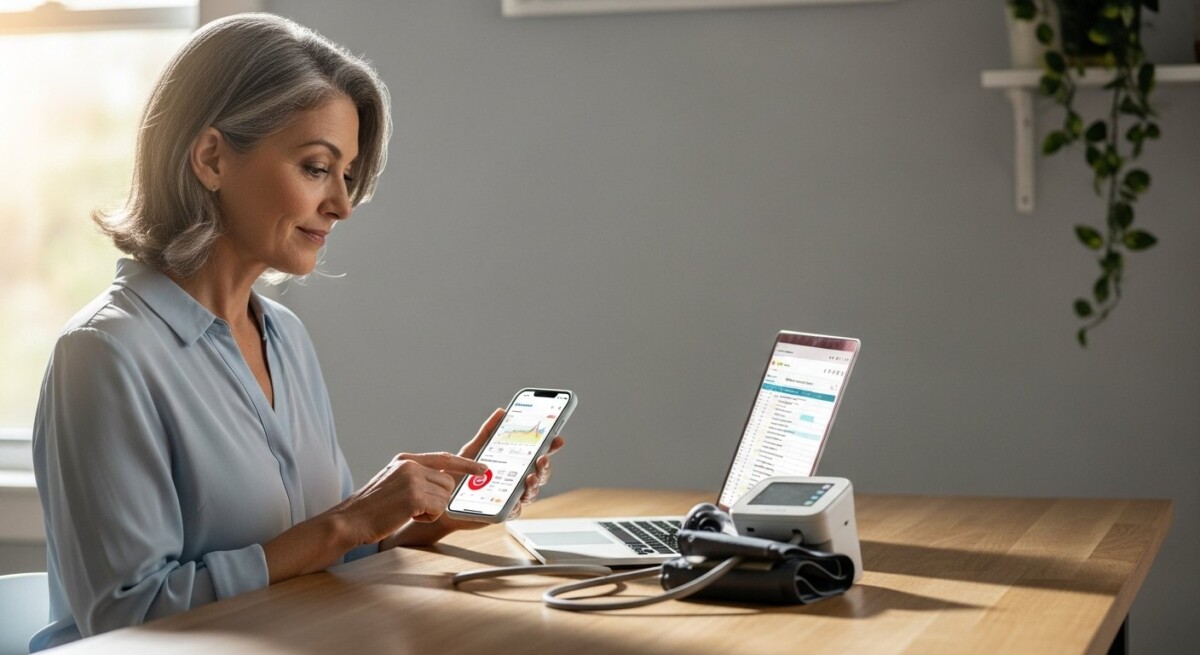
Imagine a healthcare system where your doctor receives a daily alert about a potential health risk before you even feel a symptom, where hospital readmissions plummet, and managing a chronic condition no longer requires constant, disruptive office visits. This is not a futuristic vision, but the present-day reality enabled by remote patient monitoring (RPM). By leveraging digital technologies to collect and transmit patient health data from outside traditional clinical settings, RPM is fundamentally reshaping the care continuum. It moves healthcare from a reactive, episodic model to a proactive, continuous partnership, offering unprecedented levels of insight, intervention, and patient empowerment for long-term health management.
The Core Technology and Data Flow of RPM
At its heart, remote patient monitoring is a sophisticated yet user-friendly ecosystem of connected devices, secure data platforms, and clinical oversight. The process begins with the patient using prescribed medical devices in their home or daily environment. These are not simple fitness trackers, but often FDA-cleared devices designed to capture clinical-grade data. Common examples include Bluetooth-enabled blood pressure cuffs, continuous glucose monitors (CGMs), pulse oximeters, weight scales, and specialized cardiac monitors. The data from these devices is automatically transmitted, typically via a cellular or Bluetooth connection to a patient’s smartphone or a dedicated hub, to a secure, cloud-based platform.
This platform is where the magic happens for clinicians. The data is aggregated, organized, and presented on intuitive dashboards within the provider’s electronic health record (EHR) or a separate portal. Clinicians and dedicated care teams can review trends, vitals, and patient-reported outcomes at a glance. Crucially, the system uses configurable algorithms to flag concerning readings against pre-set thresholds. For instance, a sustained rise in a heart failure patient’s daily weight or a drop in blood oxygen levels can trigger an automatic alert to a nurse care manager. This enables timely intervention, such as a phone call to adjust medication or provide self-care instructions, potentially preventing a costly and traumatic emergency room visit. This seamless flow of data turns everyday information into actionable clinical intelligence.
Clinical and Financial Benefits for Patients and Health Systems
The adoption of remote patient monitoring is driven by a powerful combination of improved health outcomes and significant economic value. For patients, the benefits are profound and personal. RPM provides peace of mind and reduces anxiety by offering a tangible connection to their care team. It fosters greater engagement and understanding of their own health, as patients can see the direct impact of their lifestyle choices on their biometric data. This often leads to better medication adherence and healthier behaviors. Furthermore, it dramatically enhances access and convenience, especially for those in rural areas, with mobility challenges, or with demanding schedules, minimizing travel time and lost work hours.
For healthcare providers and payers, the value proposition is equally compelling. The most significant impact is on the management of chronic diseases, which account for the vast majority of U.S. healthcare spending. By enabling early detection of decompensation, RPM reduces hospital admissions and 30-day readmissions, which are major cost centers and quality metrics. It allows clinicians to manage larger patient panels more efficiently by prioritizing attention to those who need it most. From a financial perspective, RPM creates a new, billable care coordination service. In the United States, Medicare and many private insurers reimburse for RPM services under specific CPT codes, providing a sustainable revenue stream that supports the operational costs of the program and justifies the investment in technology and staff.
The following list highlights the key, evidence-based benefits that make RPM a cornerstone of value-based care:
- Improved Clinical Outcomes: Demonstrated reductions in HbA1c for diabetics, better blood pressure control for hypertensive patients, and lower mortality rates for heart failure patients.
- Enhanced Patient Satisfaction and Engagement: Patients report feeling more supported and in control of their health, leading to stronger patient-provider relationships.
- Reduced Healthcare Utilization: Significant decreases in emergency department visits, hospital admissions, and length of stay, directly lowering costs.
- Operational Efficiency for Practices: Allows care teams to triage effectively, automate routine data collection, and focus clinical time on patients requiring immediate intervention.
- Support for Value-Based Care Contracts: Directly aligns with the goals of risk-sharing arrangements by improving quality metrics and controlling total cost of care.
Implementing a Successful RPM Program
Launching an effective remote patient monitoring initiative requires more than just purchasing devices. It is a strategic clinical workflow redesign that demands careful planning. The first step is identifying the right patient population. While RPM can be broad, starting with a focused cohort, such as patients with uncontrolled hypertension or congestive heart failure, allows for smoother implementation and clearer measurement of results. The next critical phase is patient onboarding and education. Success depends on the patient understanding the “why” behind the technology. A thorough onboarding process that includes device setup, data transmission verification, and clear instructions on when to seek immediate help versus routine monitoring is essential.
On the clinical side, defining clear protocols is non-negotiable. Practices must decide who on the team will monitor the dashboards (often nurses or medical assistants), how often, and what constitutes an alert that requires action. Establishing escalation pathways and documentation standards within the EHR ensures consistent and safe care. Furthermore, billing and compliance must be integrated from the start. Staff need to be trained on the specific requirements for RPM reimbursement, such as patient consent, the minimum data review frequency, and the elements of a billable communication. A successful program seamlessly blends technology, clinical workflow, and business operations.
Overcoming Challenges and Navigating the Future
Despite its promise, remote patient monitoring faces several hurdles. The digital divide remains a significant barrier to equitable access; not all patients have the broadband connectivity, smart devices, or digital literacy required. Programs must have alternatives, such as cellular-enabled devices that do not require Wi-Fi, and offer strong technical support. Data security and privacy are paramount, requiring HIPAA-compliant platforms and clear patient data-use agreements. Clinician burnout is also a risk if alerts are poorly configured, leading to information overload. Intelligent algorithms and appropriate staffing are key to making data a tool, not a burden.
Looking ahead, the integration of RPM with other digital health modalities will define its future. Hybrid care models that combine periodic video visits with continuous RPM data offer a comprehensive and flexible care plan. The data from RPM devices, when aggregated and analyzed with artificial intelligence, can move from simple threshold alerts to predictive analytics, identifying subtle patterns that forecast health events days in advance. Furthermore, RPM is expanding beyond chronic care into areas like post-surgical recovery, oncology therapy management, and maternal health, monitoring vitals after a C-section or during a high-risk pregnancy. As these technologies become more sophisticated and interoperable, remote patient monitoring will evolve from a separate program into the foundational layer of a truly continuous, preventive, and personalized healthcare system.
Frequently Asked Questions
Is remote patient monitoring covered by insurance? Yes, Medicare and many private insurance plans cover RPM services for eligible patients with chronic conditions. Coverage requires a physician’s order and the use of FDA-cleared devices. Specific billing codes exist for the initial setup, monthly monitoring, and patient communication.
What kind of internet connection do I need for RPM? Many modern RPM devices use built-in cellular technology, so no home Wi-Fi is necessary. Others may connect via Bluetooth to a patient’s smartphone or a tablet provided by the program, which then uses cellular data or Wi-Fi to transmit information.
How does RPM differ from using a smartwatch or fitness tracker? While consumer wearables provide valuable wellness data, RPM uses clinically validated, prescription-grade devices. The data from RPM is integrated into your official medical record, reviewed by your care team under established clinical protocols, and can be used for diagnostic and therapeutic decisions.
Does RPM replace visits to my doctor? No, RPM complements traditional care. It provides your doctor with vital information between visits, allowing for more informed conversations during appointments. It is designed to enhance, not replace, the essential patient-physician relationship. For mental health support, this complementary model is also evident in digital formats, as explored in our resource on remote therapy sessions and accessible mental health.
Who reviews my data, and how quickly will they respond? Your data is typically reviewed by a designated care team, which may include nurses, care coordinators, or medical assistants overseen by your physician. Response times for alerts are defined by your provider’s protocol, but critical alerts are often addressed within a specific, short timeframe, sometimes within minutes or hours.
The transformative potential of remote patient monitoring lies in its ability to make healthcare continuous, predictive, and deeply personal. By bridging the gap between the clinic and the home, it empowers patients to take an active role in their health while giving clinicians the tools to provide care at the right time, often before a crisis occurs. As technology advances and adoption grows, RPM stands not as a niche tool, but as a fundamental pillar of a more sustainable, effective, and human-centered healthcare future. This integration of technology into daily care is a key component of evolving hybrid healthcare models that prioritize patient convenience and outcomes.
About the Author: Jessica Martinez



Sign up for our newsletter and Save 20% on Test Kits
"*" indicates required fields