

How Remote Monitoring Devices Are Transforming Patient Care
How Remote Monitoring Devices Are Transforming Patient Care
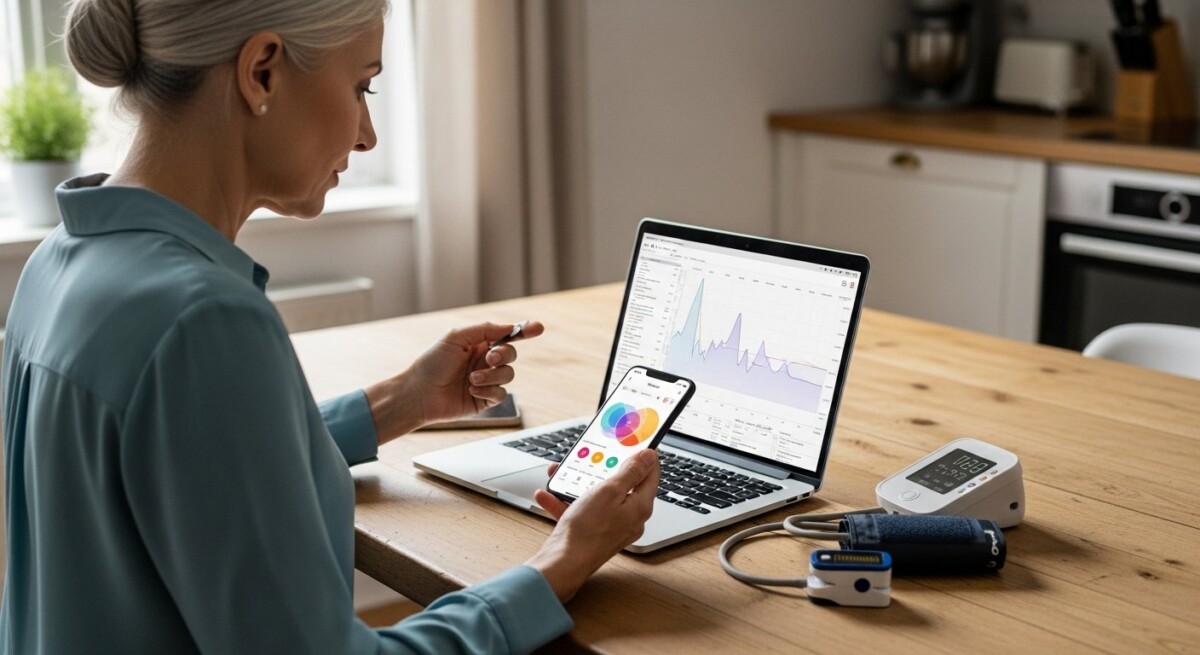
Imagine a world where your doctor knows your health status before you even feel a symptom, where chronic conditions are managed proactively from the comfort of your home, and hospital readmissions plummet. This is not a distant future, it is the present reality being shaped by remote monitoring devices. These technologies are fundamentally shifting healthcare from a reactive, episodic model to a continuous, data-driven partnership between patients and providers. By transmitting vital health data automatically and securely, these devices are creating a new paradigm of care that is more personalized, preventive, and powerful than ever before.
The Core Technology and How It Works
At its heart, a remote patient monitoring (RPM) system is an ecosystem of connected devices, software, and people. It begins with the patient-facing sensor, a device designed to measure specific physiological parameters. These devices range from simple Bluetooth-enabled blood pressure cuffs and pulse oximeters to sophisticated implantable cardiac monitors and continuous glucose monitors (CGMs). The critical innovation is connectivity. Once a measurement is taken, the device transmits the data wirelessly via cellular networks, Wi-Fi, or Bluetooth to a centralized hub, often a smartphone app or a dedicated tablet.
This data is then securely uploaded to a cloud-based platform accessible to healthcare providers. This platform is the nerve center of the operation. It does not just store data, it analyzes it. Advanced algorithms can identify trends, flag readings that fall outside pre-set thresholds, and generate actionable insights. A nurse or physician can then review this synthesized information during virtual visits or as part of daily workflow, intervening only when necessary. This creates a continuous feedback loop: the patient measures, the system analyzes, and the care team advises, all in near real-time. The result is a shift from waiting for a crisis to managing health dynamically.
Key Applications in Modern Healthcare
The applications for remote monitoring devices are vast and growing, but they are particularly transformative in several key areas of medicine. The most significant impact is seen in chronic disease management, which consumes a substantial portion of healthcare resources. For patients with conditions like hypertension, diabetes, and heart failure, daily fluctuations are the norm, not the exception. Remote monitoring provides the granular, daily data needed to make precise medication adjustments and lifestyle recommendations, preventing the slow deterioration that often leads to emergency room visits.
Another critical application is post-acute and surgical care. Following a hospital discharge, especially for procedures like joint replacement or heart surgery, patients are at high risk for complications. Sending a patient home with a remote monitoring kit allows clinicians to track vital signs, pain levels, and mobility, ensuring recovery stays on track. Early detection of a rising temperature or falling oxygen saturation can prompt a timely intervention, preventing readmission. Furthermore, these devices are becoming integral to hybrid care models, blending in-person and virtual touchpoints. They give substance to telehealth visits by providing objective data, moving the conversation beyond subjective patient reports to informed clinical decision-making.
The benefits of implementing a robust remote monitoring program are substantial and multi-faceted:
- Improved Clinical Outcomes: Consistent tracking leads to better-controlled conditions, fewer acute episodes, and slower disease progression.
- Enhanced Patient Engagement and Adherence: Patients become active participants, seeing the direct impact of their choices on their health data, which improves medication adherence and lifestyle compliance.
- Reduced Healthcare Utilization and Costs: By preventing complications and hospitalizations, these systems lower overall costs for payers and health systems while reducing the burden on emergency departments.
- Increased Access to Care: Geography becomes less of a barrier, providing high-quality management to rural populations, elderly patients with mobility issues, and those with transportation challenges.
- Operational Efficiency for Providers: Clinicians can prioritize their attention on patients who need it most, optimizing their time and expanding their panel size.
Integrating Devices into Clinical Workflow
The success of remote monitoring hinges not on the device alone, but on its seamless integration into existing clinical workflows. A device that generates data no one has time to review is a burden, not a benefit. Effective integration requires thoughtful planning. First, the technology platform must integrate with the electronic health record (EHR). Data should flow directly into the patient’s chart as structured data, not as a PDF in a separate portal that a doctor must log into separately. This bidirectional integration is crucial for context and continuity.
Second, roles and responsibilities must be clearly defined. Typically, a nursing team or dedicated care coordinators are tasked with the daily monitoring of incoming data streams. They act as the first line of triage, following protocol-driven pathways for normal and abnormal readings. Alerts are escalated to physicians or advanced practice providers only when a clinical decision is required. This team-based approach prevents physician burnout and leverages staff appropriately. Furthermore, patient onboarding is a critical step. Successful programs invest time in educating patients on how to use the devices correctly, why the data matters, and what to expect from the care team. Clear communication protocols, such as response times for messages or alerts, set proper expectations and build trust in the system.
Overcoming Challenges and Barriers to Adoption
Despite the clear advantages, widespread adoption faces several hurdles. The digital divide remains a significant issue, as effective use requires reliable internet access, digital literacy, and sometimes a smartphone. This can exacerbate health disparities if not addressed through program design and support for underserved populations. Reimbursement, while improving, can still be complex. Navigating the billing codes for remote physiologic monitoring (RPM) and chronic care management (CCM) requires administrative expertise. While Medicare and many private payers now cover these services, the rules are specific and evolving.
Data security and privacy are paramount concerns. The transmission and storage of protected health information (PHI) must comply with regulations like HIPAA, requiring robust encryption and secure platforms. Patients need assurance that their intimate health data is safe. Finally, technology fatigue is a real risk. Asking a patient with multiple chronic conditions to manage several devices, apps, and charging cables can lead to disengagement. The ideal is a consolidated, user-friendly experience, perhaps through a single hub that aggregates data from multiple sources, minimizing the daily burden on the patient.
Frequently Asked Questions
What kind of conditions are best suited for remote monitoring?
Remote monitoring is highly effective for chronic conditions requiring frequent tracking, such as hypertension, diabetes (Type 1 and 2), congestive heart failure (CHF), chronic obstructive pulmonary disease (COPD), and arrhythmias. It is also valuable for post-operative recovery and managing weight loss or cardiac rehabilitation programs.
Is the data from these devices accurate enough for medical decisions?
Medical-grade remote monitoring devices that are prescribed by a provider are typically FDA-cleared or approved for clinical use, meaning they meet stringent accuracy standards. Consumer wellness wearables (like smartwatches) are generally not considered medically accurate for diagnosis but can provide useful trend data. Your care team will prescribe the appropriate device for your clinical needs.
How is my privacy protected when using these devices?
Reputable RPM platforms are required to be HIPAA-compliant. This means they use encryption for data transmission and storage, have strict access controls, and sign Business Associate Agreements (BAAs) with healthcare providers. Always ask your provider about the security measures of the program they are recommending.
Will my insurance cover the cost of remote monitoring devices and services?
Coverage is expanding rapidly. Medicare has established reimbursement codes for RPM, and many Medicaid programs and private insurers are following suit. Often, the healthcare provider’s practice bills for the monitoring service, and there may be no direct cost to the patient for the device rental or the data service, but you should always verify coverage with your insurance plan.
What happens if the device detects a serious problem?
This is a core strength of the system. Your care team will establish personalized thresholds for your vital signs. If your data exceeds these safe limits, an alert is triggered for the clinical monitoring staff. They will then contact you according to a pre-defined protocol, which may involve instructions to adjust medication, visit an urgent care center, or call emergency services, depending on the severity.
The integration of remote monitoring devices represents a quiet revolution in healthcare delivery. By creating a continuous stream of objective health data, they empower patients and inform clinicians like never before. The trajectory is clear: healthcare is moving out of the clinic and into daily life. The focus is shifting from treating sickness to maintaining wellness, with technology acting as the essential connective tissue. As these tools become more sophisticated, user-friendly, and integrated, they promise to form the backbone of a more sustainable, effective, and equitable health system for all.
About the Author: David Reynolds


Sign up for our newsletter and Save 20% on Test Kits
"*" indicates required fields