

How Remote Healthcare Appointments Are Transforming Patient Care
How Remote Healthcare Appointments Are Transforming Patient Care
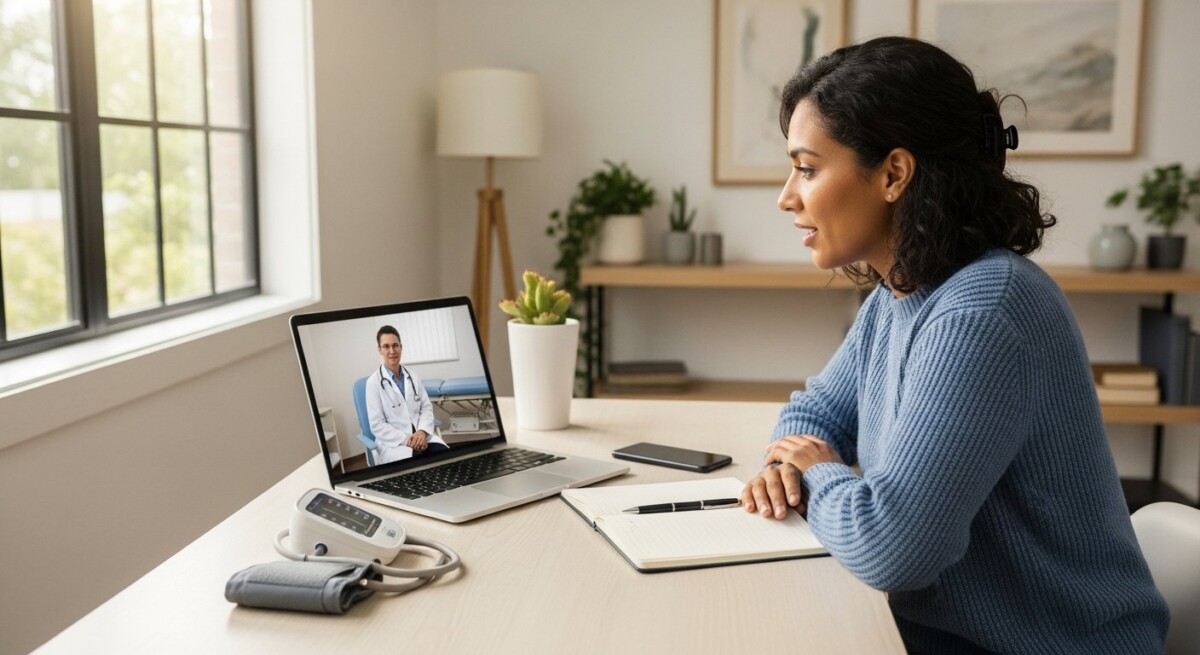
Imagine consulting with a doctor from your living room, managing a chronic condition without leaving work, or getting a prescription refilled during your lunch break. This is the new reality of healthcare, driven by the widespread adoption of remote healthcare appointments. Also known as telemedicine or virtual visits, this model leverages digital technology to connect patients with licensed medical professionals through video, phone, or secure messaging. It represents a fundamental shift from a location-centric system to a patient-centric one, prioritizing convenience, accessibility, and continuity of care. For millions, especially those in rural areas, with mobility challenges, or with packed schedules, remote appointments have moved from a novel convenience to an essential component of their healthcare strategy.
The Core Mechanics of a Virtual Visit
Understanding how a remote healthcare appointment works demystifies the process and helps patients prepare effectively. The journey typically begins with scheduling, which is done through a platform’s website or app, much like booking an in-person appointment. Patients then complete any necessary pre-visit paperwork and medical history forms digitally. When the appointment time arrives, patients join a secure, HIPAA-compliant video call or connect via a phone call. During the consultation, the provider conducts a visual assessment, discusses symptoms, reviews medical history, and makes a clinical determination. If appropriate, they can prescribe medication electronically to the patient’s pharmacy of choice or order necessary tests, including at-home testing kits for convenient follow-up.
For the appointment to be successful, certain technical and environmental preparations are key. A reliable internet connection, a device with a camera and microphone (like a smartphone, tablet, or computer), and a private, well-lit space are fundamental requirements. Patients should also have their insurance information, a list of current medications, and any relevant notes about their symptoms ready. This streamlined process eliminates travel time, waiting room delays, and potential exposure to other illnesses, creating a highly efficient care experience.
Who Benefits Most from Remote Medical Consultations?
While virtual care offers advantages to nearly everyone, specific patient populations find it particularly transformative. Individuals managing chronic conditions, such as diabetes, hypertension, or mental health concerns, benefit immensely from the ease of frequent check-ins and medication management without the burden of constant travel. Patients seeking care for common, non-emergency conditions like sinus infections, urinary tract infections, skin rashes, or prescription refills find remote appointments to be a perfect fit. Furthermore, it is a boon for people in rural or underserved areas where specialist care might be hours away, for parents with young children, for caregivers who cannot easily leave their charges, and for anyone with transportation limitations or a demanding work schedule.
It is crucial to recognize the boundaries of telemedicine. Remote appointments are not suitable for medical emergencies, such as chest pain, severe shortness of breath, stroke symptoms, or major trauma. These situations require immediate in-person emergency care. A virtual visit also cannot replace hands-on physical examinations for certain complex issues. However, for a vast range of follow-ups, consultations, and acute minor illnesses, it provides a safe, effective, and often superior alternative to an office visit.
Maximizing the Value of Your Telehealth Experience
To get the most out of a remote healthcare appointment, proactive patient engagement is essential. Treat the virtual visit with the same seriousness as an in-person one. Prepare a concise summary of your symptoms, including when they started, their severity, and any factors that make them better or worse. Have a list of your current medications and dosages, as well as any known allergies, readily available. Write down your questions beforehand so you don’t forget them during the conversation. Just as you would in a physical exam room, be honest and thorough when describing your health concerns to the provider.
Technical preparation is equally important. Test your device’s camera, microphone, and speaker before the appointment. Ensure your device is charged or plugged in. Log into the platform a few minutes early to address any last-minute software updates or connection issues. Choose a quiet, private location with good lighting so the provider can see you clearly, especially if a visual exam of a skin condition or throat is needed. This forethought ensures the valuable consultation time is spent on healthcare, not troubleshooting.
Navigating Insurance, Costs, and Platform Selection
The financial and logistical aspects of telemedicine are critical for widespread adoption. Since the COVID-19 pandemic, most private insurers, Medicare, and Medicaid have expanded coverage for telehealth services, often at parity with in-person visits. However, coverage details can vary. Patients should verify their specific plan’s benefits for virtual care, including any copay or deductible requirements. Many dedicated telemedicine platforms, including Doctors Home, offer transparent, upfront pricing for consultations, which can be particularly valuable for those without insurance or with high-deductible plans. This model eliminates surprise bills and allows for predictable healthcare budgeting.
When selecting a telemedicine provider, consider key factors beyond just cost. Ensure the platform uses licensed, credentialed medical professionals who are qualified to practice in your state. Security is non-negotiable; the service must use HIPAA-compliant, encrypted technology to protect your personal health information. Review the range of services offered to ensure they align with your needs, whether for general consultation, specific conditions, or integrated services like remote health coaching and pharmacy access. User experience, including the ease of scheduling and the reliability of the video interface, also significantly impacts satisfaction.
Integrating Remote and In-Person Care: The Hybrid Model
The future of healthcare is not exclusively virtual or physical, but a thoughtful blend of both, known as hybrid care. In this model, remote healthcare appointments handle appropriate follow-ups, medication management, and initial consultations, while in-person visits are reserved for procedures, comprehensive physical exams, and complex diagnostic workups. This integration creates a continuous care loop. For instance, a patient can have an initial virtual consultation, use an at-home testing kit ordered by the provider, and then discuss the results in a follow-up video call. This seamless coordination improves health outcomes by making consistent care more accessible and sustainable.
Hybrid care also empowers better chronic disease management. Regular virtual check-ins can help patients stay on track with treatment plans, allowing for timely adjustments between annual in-person visits. This continuous engagement can prevent minor issues from escalating into serious complications. The model also facilitates better care coordination among specialists, as virtual consultations can easily include multiple providers from different locations. Ultimately, hybrid care puts the patient at the center of a flexible, responsive system tailored to their individual health journey.
Addressing Common Questions and Concerns
Despite its growth, patients often have practical questions about engaging with telemedicine.
Are remote healthcare appointments secure and private?
Reputable platforms use end-to-end encryption and comply with strict federal HIPAA regulations, which mandate the protection of personal health information. Your consultation is a private medical encounter, just like one in a closed exam room. Always confirm a platform’s security standards before use.
Can I get a prescription through a virtual visit?
Yes, licensed providers can prescribe medications when clinically appropriate during a remote consultation. However, they cannot prescribe controlled substances (like certain pain medications or ADHD drugs) without an established in-person relationship in many states. Medications for many common conditions, such as infections, allergies, and chronic disease management, are routinely prescribed. Services like Doctors Home specialize in providing convenient access to prescriptions for specific needs, connecting patients with licensed professionals who can evaluate and prescribe suitable treatment.
What if I need lab tests or a physical exam?
If your condition requires diagnostic testing, the provider can order lab work at a local facility or, increasingly, arrange for an at-home testing kit to be mailed to you. For issues needing a hands-on exam, the provider will recommend an in-person visit with them, a specialist, or a local clinic. Telemedicine acts as an efficient triage and coordination point within your broader care network.
How do I know if my issue is appropriate for telemedicine?
A good rule is that conditions you would typically take to a primary care doctor or specialist for a conversation-based visit are often suitable. This includes follow-ups, mental health therapy, dermatology concerns (where you can show the rash), and advice for minor illnesses. Platforms usually provide clear guidelines on their websites about the conditions they treat. When in doubt, you can call the service or your insurance nurse line for guidance.
The integration of remote healthcare appointments into the mainstream is more than a temporary trend, it is a permanent and positive evolution of the care delivery system. By breaking down geographical and logistical barriers, it expands access, enhances convenience, and fosters a more proactive approach to health management. As technology advances and hybrid models mature, the patient experience will only become more seamless and integrated. Embracing this modality empowers individuals to take a more active, convenient role in managing their well-being, making consistent healthcare a more attainable goal for everyone.
About the Author: Megan Patel



Sign up for our newsletter and Save 20% on Test Kits
"*" indicates required fields