
How Physician-Led Home Visits Transform Elderly Care
How Physician-Led Home Visits Transform Elderly Care
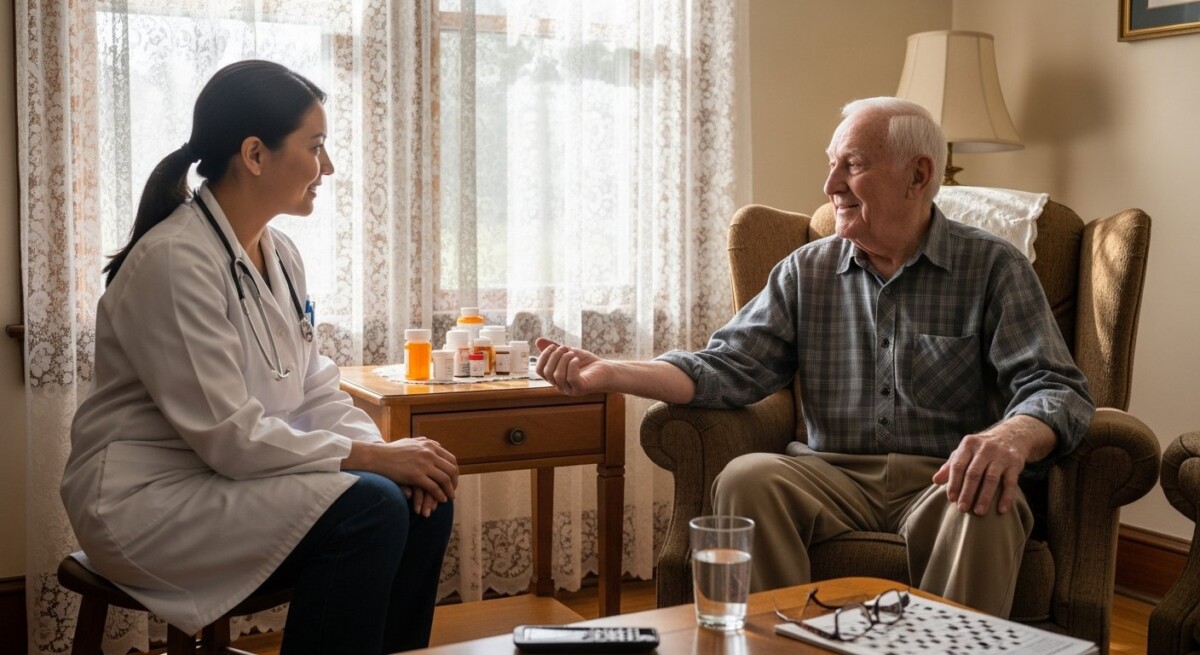
For many older adults, a routine trip to the doctor’s office is far from routine. It can be a daunting logistical challenge involving transportation, mobility issues, long waits in unfamiliar settings, and significant physical and mental exertion. This barrier often leads to delayed care, worsening chronic conditions, and preventable hospitalizations. A powerful solution is emerging that flips this model on its head: physician-led home visits. This model, where a licensed medical doctor provides comprehensive care directly in the patient’s residence, offers a profound shift from reactive, episodic treatment to proactive, continuous health management. The benefits of physician-led home visits for the elderly extend far beyond mere convenience, touching on clinical accuracy, patient empowerment, and systemic cost savings, fundamentally redefining what quality geriatric care can look like.
Uncovering the Full Clinical Picture
One of the most significant advantages of in-home physician care is the depth of clinical insight gained. In a traditional clinic, a doctor assesses a patient in a sterile, controlled environment that bears little resemblance to their daily life. At home, the physician becomes a detective in the patient’s natural habitat. They can observe factors invisible in a 15-minute office slot: the actual home safety setup, potential fall hazards like loose rugs or poor lighting, the state of the kitchen and nutrition, medication organization (or disorganization), and signs of social isolation or cognitive decline in the living space. This environmental assessment is irreplaceable. For instance, a patient complaining of dizziness might be diagnosed differently after a doctor sees the steep staircase they navigate daily or the complex regimen of pills they are managing without assistance. This holistic view allows for interventions that are deeply personalized and contextually relevant, directly addressing the root causes of health issues rather than just the symptoms.
Enhancing Chronic Disease Management and Prevention
Elderly patients frequently manage multiple chronic conditions such as heart failure, diabetes, COPD, and arthritis. Effective management of these diseases requires consistent monitoring and timely adjustments, which is where home visits excel. A physician can directly assess how a patient with congestive heart failure is managing their fluid balance by checking for leg edema in their own home, or evaluate the true dietary habits of a diabetic patient by seeing their pantry. This direct observation leads to more accurate treatment plans. Furthermore, the preventive benefits are substantial. Regular, scheduled home visits allow physicians to identify subtle declines in function or new symptoms early, before they escalate into crises. This proactive approach can prevent unnecessary emergency room visits and hospital readmissions, a critical metric for both patient well-being and healthcare costs. The continuity of seeing the same physician regularly in the home builds a strong therapeutic alliance, fostering better adherence to treatment plans and open communication.
The Psychological and Emotional Impact on Elderly Patients
The value of care delivered at home transcends the physical. The psychological comfort and reduced stress for an elderly patient cannot be overstated. The anxiety of travel, the discomfort of waiting rooms, and the disorientation of a clinical setting are eliminated. In their own familiar space, patients are more relaxed, more likely to ask questions, and better able to participate actively in their care decisions. This sense of control and dignity is a cornerstone of ethical geriatric medicine. For patients with dementia or Alzheimer’s disease, receiving care in a familiar environment can minimize confusion and agitation, leading to more productive consultations. The visit also provides a unique window for the physician to assess mental health, a component often overlooked in rushed office visits. Signs of depression, anxiety, or cognitive change can be more apparent in the home context, allowing for earlier support and intervention. This comprehensive approach to choosing the right care environment is crucial, as detailed in our resource on selecting optimal home healthcare services for aging family members.
Improving Medication Adherence and Safety
Medication mismanagement is a leading cause of hospitalizations among the elderly. Polypharmacy, the use of multiple medications, is common and fraught with risks for interactions and errors. A physician conducting a home visit can perform a literal “brown bag review,” examining every prescription, over-the-counter drug, and supplement the patient is taking. They can see if pills are being stored properly, if outdated medications are still on the shelf, and if the patient is using pill organizers correctly. This direct audit is far more effective than simply asking a patient to list their medications from memory in an office. The physician can then reconcile the list, discontinue unnecessary drugs, simplify regimens, and provide clear, in-person education. This hands-on approach drastically improves adherence and reduces the risk of dangerous adverse drug events.
Key Benefits for Family Caregivers
Physician-led home visits also provide immense support for family caregivers, who are often under tremendous strain. The visiting physician can educate and train family members on care techniques, explain what to monitor, and provide reassurance. They can assess caregiver burnout firsthand and connect families with additional resources. This collaborative model reduces the isolation caregivers feel and integrates them as part of the care team. Furthermore, it saves caregivers the immense time and physical effort required to transport a frail loved one to an appointment, offering them respite and reducing their own stress.
Addressing Systemic Efficiency and Cost-Effectiveness
While the upfront cost of a physician home visit may seem higher than a clinic consultation, the long-term economic argument is compelling. By preventing costly adverse events, this model demonstrates significant value. Consider the following key areas of impact:
- Reduced Hospital Readmissions: Proactive management of chronic conditions at home is one of the most effective tools for avoiding readmission penalties, a major focus for health systems.
- Fewer Emergency Department Visits: Many ED visits by seniors are for issues that could have been managed at home with timely physician intervention.
- Delayed Institutionalization: By supporting patients to remain healthy and safe in their homes longer, physician visits can delay or avoid the need for costly nursing home placement.
- Optimized Resource Use: Physicians can order only the necessary tests and treatments, reducing wasteful spending on care driven by incomplete information.
From a health system perspective, investing in physician-led home care for high-risk, high-utilizer elderly patients aligns with value-based care models that reward outcomes and patient satisfaction over volume of services. It represents a strategic shift from sick care to true health care.
Overcoming Implementation Challenges
Despite the clear benefits, widespread adoption faces hurdles. Reimbursement structures from Medicare and private insurers have historically been more favorable for procedural and facility-based care than for time-intensive home visits, though this is slowly changing with new billing codes and value-based payment models. There are also logistical challenges for medical practices, including physician travel time and scheduling efficiency. However, these are being addressed through innovative practice designs, the use of integrated telehealth for follow-ups, and the demonstration of clear return on investment through reduced total cost of care. The model requires a shift in mindset from viewing physician time solely by patient volume to valuing the depth and preventive power of each encounter.
Physician-led home visits for the elderly represent a return to a more intimate, holistic form of medicine, supercharged by modern understanding of geriatrics and chronic care management. They move healthcare from a transactional, problem-focused interaction to a relational, person-centered partnership. The benefits are multifaceted: superior clinical outcomes rooted in real-world observation, enhanced patient dignity and psychological well-being, stronger support for families, and a more sustainable, efficient use of healthcare resources. As our population ages and the demand for high-quality, compassionate geriatric care grows, this model stands out not as a nostalgic throwback, but as a forward-thinking, essential component of a functional and humane healthcare system.
About the Author: James Patel



Sign up for our newsletter and Save 20% on Test Kits
"*" indicates required fields