
How Online Psychiatry Appointments Are Changing Mental Health Care
How Online Psychiatry Appointments Are Changing Mental Health Care

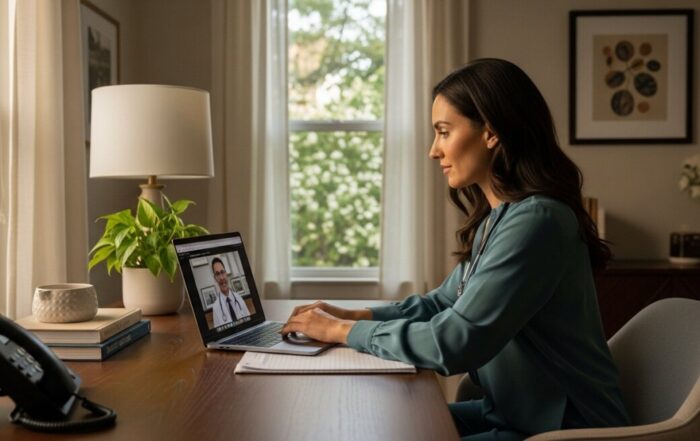
For many people, the idea of seeking help for mental health concerns is daunting enough without the added hurdles of finding a local provider, navigating traffic, taking time off work, or sitting in a waiting room. These traditional barriers have long prevented individuals from accessing the psychiatric care they need. Today, a fundamental shift is underway. Online psychiatry appointments, also known as telepsychiatry, are dismantling these obstacles, offering a practical, effective, and often more accessible pathway to mental wellness. This model of care connects patients with licensed psychiatrists and psychiatric nurse practitioners through secure video platforms, enabling comprehensive evaluations, therapy sessions, and medication management from the comfort and privacy of home. The transformation is not merely about convenience, it is about expanding the very reach of psychiatric expertise to underserved communities, busy professionals, parents, and anyone who previously found in-person care logistically impossible.
What to Expect From a Virtual Psychiatry Session
If you are new to the concept, understanding the structure of an online psychiatry appointment can alleviate uncertainty. The process is designed to be both thorough and patient-centered, mirroring the standards of in-person care while leveraging digital advantages. It begins with a streamlined intake process, typically completed through a patient portal before your first session. You will provide your medical history, current symptoms, medications, and insurance information. This allows your provider to be prepared and maximizes the time you have together during the appointment itself.
When your session begins, you will connect via a HIPAA-compliant video conferencing link sent to your email or through a dedicated app. The initial evaluation, often lasting 45 to 60 minutes, is a comprehensive conversation. Your psychiatrist will ask about your presenting concerns, personal history, family mental health history, lifestyle, and goals. They are building a holistic picture to inform a diagnosis and treatment plan. Follow-up sessions, usually shorter at 15 to 30 minutes, focus on monitoring progress, adjusting medication if prescribed, and providing ongoing therapeutic support. Crucially, these appointments are not merely check-ins, they are medically substantive consultations where diagnoses are made, and treatment plans are actively managed.
Many platforms facilitate integrated care by offering seamless e-prescribing to your pharmacy of choice and providing digital tools for tracking mood and symptoms between visits. To ensure a successful session, consider the following preparatory steps:
- Test Your Technology: Ensure your device (computer, tablet, or phone) has a working camera, microphone, and speaker. Download any required software beforehand and test the video link if possible.
- Find a Private Space: Choose a quiet, well-lit room where you will not be interrupted. This protects your confidentiality and allows for an open, focused conversation.
- Prepare Your Notes: Jot down key points you want to discuss, including specific symptoms, their frequency, and any questions about medication or therapy.
- Have Information Ready: Keep a list of your current medications (including dosages) and the name of your primary care physician nearby for reference.
The Tangible Benefits of Choosing Telepsychiatry
The advantages of online psychiatry extend far beyond simple convenience. They address systemic gaps in the healthcare landscape, creating new avenues for consistent and effective treatment. One of the most significant benefits is dramatically improved access. Individuals in rural areas, where psychiatric specialists may be hours away, can now connect with qualified providers. Those with physical disabilities, transportation challenges, or demanding caregiving responsibilities find that virtual care fits into lives that would otherwise preclude regular appointments. This accessibility directly translates to better continuity of care, a critical factor in managing chronic mental health conditions like depression, anxiety, bipolar disorder, or ADHD.
Reduced stigma also plays a powerful role. The ability to attend a session from a private, familiar environment can make the step of seeking help feel less intimidating. There is no chance of running into someone you know in a clinic waiting room. This perceived anonymity encourages more people to initiate care earlier, which can lead to better long-term outcomes. Furthermore, the logistical simplicity often results in higher attendance rates and fewer missed appointments, ensuring treatment plans stay on track. From a practical standpoint, patients save considerable time and money associated with travel, parking, and potentially taking unpaid leave from work.
Understanding the Scope and Limitations of Virtual Care
While online psychiatry is a powerful tool, it is essential to recognize its appropriate scope and inherent limitations. Telepsychiatry is highly effective for a wide range of common mental health conditions. These include mood disorders (like major depression and bipolar disorder), anxiety disorders (such as generalized anxiety, social anxiety, and panic disorder), attention-deficit/hyperactivity disorder (ADHD), post-traumatic stress disorder (PTSD), and insomnia. It is also suitable for medication management, including initial prescriptions, dosage adjustments, and monitoring for side effects. Many providers integrate supportive psychotherapy, cognitive-behavioral therapy (CBT), and other evidence-based talk therapies into their sessions.
However, there are specific scenarios where in-person care is necessary or strongly recommended. These limitations are in place to ensure patient safety and the quality of care. Online psychiatry is generally not suitable for individuals experiencing acute, severe crises that involve an immediate risk of harm to themselves or others. In such cases, emergency in-person evaluation is required. Similarly, conditions that necessitate complex physical examinations, such as certain neurological assessments, are better handled face-to-face. Some states and insurance plans also have regulations regarding the prescription of controlled substances via telemedicine, which may require at least one in-person visit. A responsible online psychiatry provider will conduct a thorough screening and will not hesitate to refer a patient to local emergency services or in-person specialists if the situation demands it.
Navigating Practical Considerations: Insurance, Cost, and Choosing a Provider
Taking the step to book an appointment involves a few practical decisions. The financial aspect is a primary concern for many. Coverage for online psychiatry appointments has expanded significantly. Many private insurance plans, Medicare, and some Medicaid programs now reimburse for telepsychiatry services similarly to in-person visits. It is crucial to verify your benefits directly with your insurance carrier, asking specifically about telehealth coverage for psychiatric CPT codes (like 99204-99205 for new patients, 99212-99215 for follow-ups). For those without insurance or with high deductibles, many telepsychiatry platforms offer self-pay options. These can range from $100 to $300 for an initial intake, with follow-ups typically costing less. Some services also offer subscription or membership models that bundle therapy and psychiatry.
Choosing the right provider is paramount. You should seek a licensed psychiatrist (MD or DO) or a psychiatric mental health nurse practitioner (PMHNP) who is licensed to practice in your state. Key factors to evaluate include the provider’s specialization (e.g., child/adolescent, trauma, adult ADHD), their treatment philosophy, and their availability for follow-ups. Reputable platforms make this information transparent. Before committing, consider the following checklist for vetting a service:
- Credentials and Licensing: Confirm all providers are fully licensed and board-certified in your state.
- Platform Security: The service should use HIPAA-compliant, encrypted video software to protect your privacy.
- Care Coordination: Determine if the provider can communicate with your primary care doctor and send prescriptions to your pharmacy.
- Crisis Protocol: Understand the service’s policy for handling emergency situations outside of scheduled appointments.
- User Reviews and Reputation: Read independent reviews to gauge patient satisfaction and the overall experience.
Frequently Asked Questions About Online Psychiatry
Is online psychiatry as effective as in-person care?
For most common mental health conditions, numerous studies have shown that telepsychiatry is just as effective as in-person treatment for diagnostic accuracy, patient satisfaction, and clinical outcomes, particularly for medication management and follow-up care.
Can I get a prescription for medication through an online appointment?
Yes, licensed psychiatrists and PMHNPs can prescribe most medications, including antidepressants, anti-anxiety medications, and non-controlled stimulants for ADHD, during a virtual visit. Regulations for controlled substances (like some ADHD medications) vary by state and may have additional requirements.
How do I know if my insurance covers telepsychiatry?
Contact your insurance company directly. Ask: “Does my plan cover telehealth services for psychiatric diagnostic evaluations and psychotherapy?” Provide the specific CPT codes if possible. Also, check with the telepsychiatry platform itself, as many have dedicated teams to verify benefits.
What technology do I need for an appointment?
You typically need a smartphone, tablet, or computer with a reliable internet connection, a webcam, a microphone, and a speaker. Most platforms work directly in a web browser like Chrome or Safari, though some may have a dedicated app.
What if I have a technical problem during my session?
Reputable platforms have customer support available to troubleshoot. It is a good idea to log in a few minutes early to test your connection. Have the provider’s office phone number handy as a backup in case the video fails, as the session can often continue via phone.
The rise of online psychiatry appointments represents more than a technological trend, it is a meaningful evolution in patient-centered care. By removing geographical, logistical, and psychological barriers, telepsychiatry is making specialized mental health treatment a realistic option for millions who previously went without. It empowers individuals to seek help on their own terms, fostering a consistent therapeutic relationship that is crucial for recovery and long-term management. As the digital healthcare infrastructure continues to mature and integrate, virtual psychiatric care stands as a testament to how technology can be harnessed to create a more accessible, efficient, and compassionate mental health system for all.
About the Author: Olivia Bennett




Sign up for our newsletter and Save 20% on Test Kits
"*" indicates required fields