

How Online Doctor Consultations Work With Telemedicine Doctors
How Online Doctor Consultations Work With Telemedicine Doctors
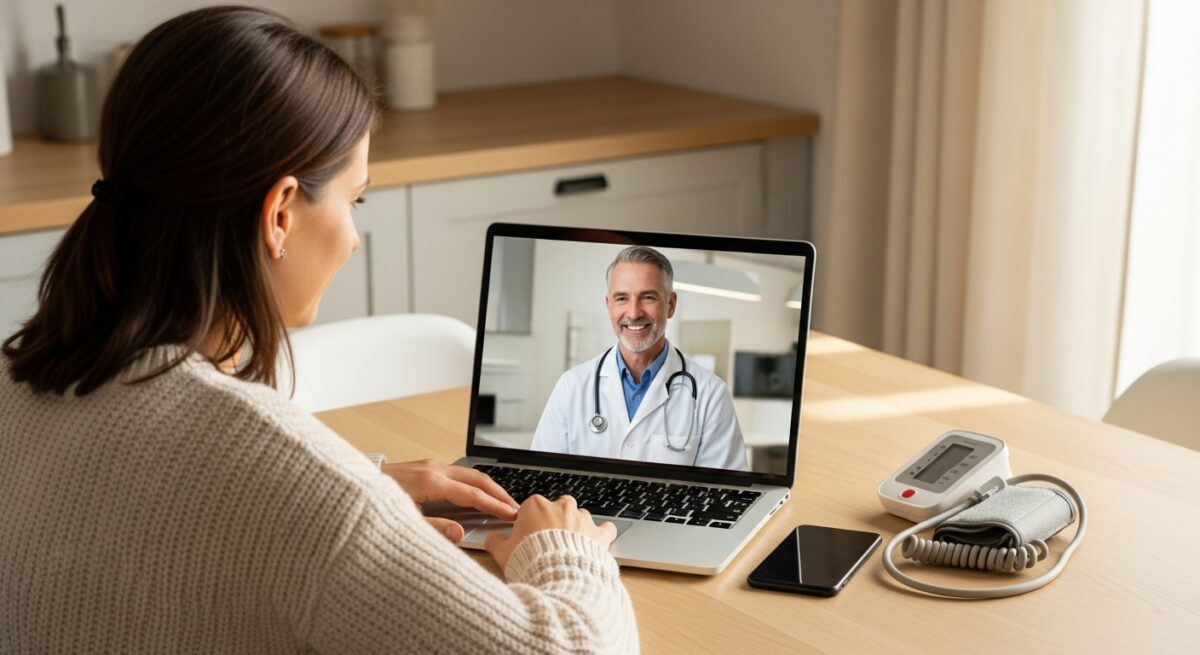
Imagine seeing a doctor from your living room, your office, or even while traveling. This is the reality of modern healthcare, powered by telemedicine doctors. Online doctor consultations have moved from a niche convenience to a mainstream medical service, fundamentally changing how millions access care. This shift offers a practical solution to common barriers like long wait times, travel difficulties, and busy schedules. But how does the process actually work from start to finish? Understanding the mechanics of a virtual visit, from the technology used to the clinical protocols followed by licensed telemed doctors, demystifies the experience and empowers patients to use it effectively. This comprehensive guide walks you through every step of an online consultation, explaining what to expect, how to prepare, and the types of care you can confidently receive from qualified online telemedicine doctors.
The Foundation of Telemedicine: Technology and Security
At its core, telemedicine is the delivery of healthcare services using telecommunications technology. This requires a robust digital infrastructure built on two critical pillars: accessible technology and ironclad security. The technology is deliberately designed to be user-friendly. Most consultations occur via a secure video platform that can be accessed on a smartphone, tablet, or computer with a camera and microphone. Some platforms also offer audio-only phone calls or secure messaging for follow-up questions. The goal is to lower the technical barrier so that patients of all ages and tech comfort levels can connect with their provider seamlessly.
The second, non-negotiable pillar is patient privacy and data security. Reputable telemedicine platforms operate under the same federal regulations as brick-and-mortar clinics, primarily the Health Insurance Portability and Accountability Act (HIPAA). This means the video connection is encrypted, patient data is stored on secure servers, and the entire interaction is confidential. Before choosing a service, patients should verify the platform’s HIPAA compliance. This security framework allows telemedicine doctors to discuss sensitive health information with the same level of privacy expected in a physical exam room.
Step-by-Step: The Patient Journey Through an Online Consultation
The process of an online doctor consultation is straightforward and typically follows a consistent sequence designed for efficiency and thoroughness. While platforms may have slight variations, the core steps remain the same.
- Registration and Intake: The journey begins on the telemedicine platform’s website or app. You create a secure account and provide basic demographic information, medical history, and current symptoms. You may also be asked to upload photos of a visible concern (like a skin rash) or to list current medications and allergies. Completing this intake thoroughly before the visit gives the doctor valuable context.
- Scheduling and Payment: You then select an available appointment time, often seeing same-day or next-day slots. Payment is usually handled upfront. You’ll provide insurance information if the platform accepts your plan, or pay a transparent flat fee for the consultation. Clarity on cost before the visit is a key advantage of telemedicine.
- The Pre-Visit Waiting Room: At your appointment time, you log into the platform and enter a virtual “waiting room.” This is the digital equivalent of sitting in the clinic’s lobby. The system will typically notify you when the telemedicine doctor is ready to begin the video call.
- The Virtual Consultation: The live video visit begins. The doctor will introduce themselves, verify your identity, and then conduct the consultation. This involves discussing your symptoms in detail, asking targeted questions, and potentially performing a visual examination. You might be guided to show a specific area, check your own pulse, or take your temperature. The doctor makes a clinical assessment based on the information gathered.
- Diagnosis, Treatment Plan, and Follow-up: After the assessment, the doctor will explain their diagnosis, if one can be determined remotely. They will discuss a treatment plan, which may include prescribing medication, recommending over-the-counter remedies, suggesting lifestyle changes, or advising an in-person visit for further tests. E-prescriptions are sent electronically directly to your pharmacy of choice. The visit concludes with instructions for follow-up, which might be a message through the platform or a scheduled future video visit.
This structured process ensures that online telemedicine doctors can deliver care that is both comprehensive and convenient. For specific conditions, the process is tailored further. For example, in our guide on how an online doctor for erectile dysfunction consultation works, we explain the specific intake questions and privacy considerations for that sensitive men’s health topic.
What Conditions Can Telemedicine Doctors Treat?
A common question is about the scope of care possible through a screen. Telemedicine is exceptionally well-suited for a wide range of non-emergency acute and chronic conditions. The key is that the doctor must be able to make a diagnosis primarily through history-taking and visual inspection. Acute conditions often treated include upper respiratory infections (colds, sinusitis, flu), urinary tract infections, skin rashes and allergies (like dermatitis or poison ivy), pink eye, and stomach bugs. For chronic disease management, telemedicine doctors excel at providing follow-up care for stable conditions like hypertension, diabetes, asthma, and thyroid disorders, where the visit focuses on medication management and reviewing home-monitored data (like blood glucose or blood pressure logs).
Mental health has become one of the most significant domains for telemedicine. Online therapy and psychiatry sessions for anxiety, depression, and stress management are highly effective and have greatly improved access to care. Furthermore, telemedicine platforms often specialize in specific areas. For instance, many offer dedicated services for dermatology (telederm), where high-quality photos can be analyzed, or for sexual health, where discreet consultations are a major benefit. It is crucial to understand the limits: telemedicine is not for medical emergencies like chest pain, severe shortness of breath, stroke symptoms, or major trauma, which require immediate in-person emergency care.
Benefits and Practical Advantages of Virtual Care
The rise of telemedicine is driven by tangible benefits that address long-standing pain points in the healthcare system. The most obvious advantage is convenience and accessibility. Patients save travel time, reduce time off work, and eliminate waiting room delays. This is transformative for individuals in rural areas with few local providers, for those with mobility challenges, or for parents with young children. Access to care expands significantly.
Another major benefit is the potential for reduced cost. Telemedicine visits often have lower fees than in-person urgent care or emergency room visits. They also eliminate ancillary costs like transportation and parking. From a public health perspective, virtual visits minimize exposure to other illnesses in waiting rooms, a consideration that became paramount during the COVID-19 pandemic. Furthermore, telemedicine encourages proactive care. The ease of scheduling makes it simpler for patients to check in about minor concerns before they become major issues, potentially improving long-term health outcomes. The integration with services like digital pharmacies and at-home testing kits creates a continuous, patient-centered care loop that fits into modern life.
Preparing for Your Virtual Visit: A Patient Checklist
To get the most out of your consultation, a little preparation goes a long way. Being prepared helps the telemedicine doctor gather the information needed for an accurate assessment efficiently. Here is a practical checklist to complete before your appointment.
- Technology Test: Ensure your device (phone, tablet, computer) is charged and connected to a reliable Wi-Fi or cellular network. Test your camera and microphone. Download any required app ahead of time.
- Find a Suitable Space: Choose a quiet, private, and well-lit room for your visit. Position your light source in front of you, not behind you, so your face is clearly visible to the doctor.
- Gather Information: Have a list of your current symptoms, including when they started and their severity. Write down your current medications, vitamins, and supplements, including dosages. Know your pharmacy’s name and address.
- Prepare for a Visual Exam: If your concern is visual (a rash, insect bite, eye issue), ensure the area is clean and unobstructed. Think about how you will position your camera to show it clearly.
- Have Note-Taking Tools Ready: Keep a pen and paper or a notes app open to jot down the doctor’s diagnosis, treatment instructions, and any recommended follow-up steps.
By following this checklist, you transform from a passive patient into an active participant in your healthcare, enabling a smoother and more productive consultation with your online telemedicine doctor.
Frequently Asked Questions About Online Doctor Consultations
Are online prescriptions from telemedicine doctors legitimate?
Yes, absolutely. Licensed telemedicine doctors have the same authority to prescribe medication as they do in a physical office. They can send electronic prescriptions directly to your local or mail-order pharmacy. There are legal restrictions on prescribing controlled substances (like certain pain medications) without an in-person evaluation, but most common medications for infections, allergies, chronic conditions, and more are readily prescribed.
Will my insurance cover a telemedicine visit?
Coverage has expanded dramatically. Most major private insurers, Medicare, and Medicaid now cover telemedicine services. However, coverage details (like copay amounts) can vary. The best practice is to check with your insurance provider and the telemedicine platform beforehand to understand your specific benefits and any out-of-pocket costs.
How do I know if my condition is appropriate for telemedicine?
A good rule of thumb is if your condition can be diagnosed by talking about symptoms and, if needed, by showing something visually, it is likely suitable. Platforms often provide clear guidelines on the conditions they treat. When in doubt, you can describe your symptoms during the intake process; the platform or doctor will advise if an in-person visit is necessary.
What if I need lab tests or a physical exam?
Telemedicine is increasingly integrated with hybrid care models. If your telemedicine doctor determines you need blood work, imaging, or a hands-on exam, they will order the tests and refer you to a local lab or clinic. Some platforms even partner with services that send at-home testing kits directly to you, with results reviewed in a follow-up virtual visit.
Is the quality of care from a telemedicine doctor as good as in-person?
For the conditions it is designed to treat, the clinical outcomes are equivalent. The quality hinges on the doctor’s ability to gather information, which is achieved through skilled questioning and patient communication. Studies have shown high levels of patient satisfaction and diagnostic accuracy for a wide range of telemedicine-appropriate conditions.
Online doctor consultations represent a significant and lasting evolution in healthcare delivery. By understanding how telemedicine doctors work, patients can navigate this option with confidence, leveraging its convenience for appropriate needs while knowing when to seek in-person care. The model successfully bridges gaps in access, reduces systemic friction, and places timely medical advice just a click away. As technology and clinical integration advance, the role of telemedicine will only deepen, making a patient-centered, flexible approach to health management the new standard.
About the Author: Natalie Carter





Sign up for our newsletter and Save 20% on Test Kits
"*" indicates required fields