

How Online Consultation Apps Are Transforming Patient Care
How Online Consultation Apps Are Transforming Patient Care

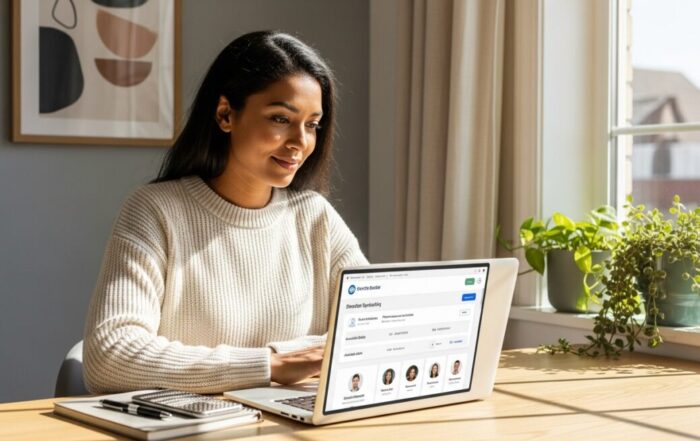
The traditional model of healthcare, anchored by the in-person office visit, is undergoing a profound and permanent shift. The catalyst for this change is the widespread adoption of online consultation apps for doctors and patients. These digital platforms are no longer a niche convenience but a fundamental component of modern medical practice, offering a seamless bridge between healthcare providers and those seeking care. For patients, it means accessing quality medical advice without the burdens of travel, waiting rooms, or scheduling conflicts. For doctors, it represents an opportunity to extend their reach, optimize their schedules, and deliver continuous care. This transformation is redefining accessibility, efficiency, and the very patient-provider relationship, moving healthcare from a reactive, appointment-based system to a more proactive and connected experience.
The Core Architecture of a Modern Telemedicine Platform
At its heart, a robust online consultation app is built on a foundation of integrated features designed to replicate and often enhance the key elements of a clinical encounter. The most visible component is, of course, the secure video conferencing capability. This feature must provide high-definition, low-latency audio and video to facilitate a proper visual assessment, which is crucial for many diagnoses. However, a truly effective platform goes far beyond a simple video call. It incorporates a secure messaging system for asynchronous communication, allowing for follow-up questions, medication check-ins, and non-urgent advice without requiring a full video session. This creates a continuous thread of care rather than isolated interactions.
Another critical architectural pillar is the integrated electronic health record (EHR) and patient management system. A doctor app online should allow providers to easily review patient history, document the current encounter, and update records in real-time. For patients, this often includes a personal health profile where they can track past consultations, conditions, and medications. Furthermore, seamless e-prescription functionality is non-negotiable. The ability for a licensed provider to electronically send a prescription directly to a patient’s preferred pharmacy is a core benefit that defines the convenience of telemedicine. This integration eliminates paper scripts and reduces the risk of errors. Finally, a secure and integrated payment gateway is essential for handling copays, consultation fees, or insurance processing, creating a closed-loop system from diagnosis to payment.
Tangible Benefits for Patients and Healthcare Providers
The adoption of a doctor app online delivers measurable advantages for all parties involved in the healthcare journey. For patients, the benefits are immediately apparent in terms of time and convenience. Eliminating commute time, taking less time off work, and avoiding waiting room exposure to other illnesses are significant quality-of-life improvements. This convenience dramatically improves healthcare access for individuals in rural areas, those with mobility challenges, or caregivers who cannot easily leave their homes. Furthermore, patients often report feeling more comfortable and less rushed in their own environment, which can lead to more open communication with their provider.
For doctors and healthcare systems, the advantages are operational and clinical. An online consultation app for doctors enables better schedule density and reduces last-minute cancellations and no-shows. It allows practices to extend their geographic service area without opening new physical locations. Clinically, it facilitates easier follow-up and chronic disease management, as check-ins become less burdensome for the patient. This can lead to better adherence to treatment plans and improved health outcomes. Providers can also balance their workload more effectively, potentially reducing burnout by offering a mix of in-person and virtual visits. From a public health perspective, these apps reduce unnecessary emergency room visits for minor issues and help manage contagious disease spread by keeping sick patients at home.
Key Considerations When Choosing a Platform
Selecting the right online consultation app is a critical decision for any practice or healthcare institution. The primary consideration must be compliance and security. The platform must be fully HIPAA-compliant in the United States, ensuring that all video, audio, chat, and stored health data are encrypted end-to-end. It should also have a signed Business Associate Agreement (BAA) available. Ease of use is equally important for both sides of the interaction. The patient interface should be intuitive, requiring minimal technical knowledge to join a call. The provider’s dashboard should integrate smoothly into existing clinical workflows without requiring duplicate data entry.
Technical reliability and support form the backbone of user trust. The service must have proven uptime, high-quality video even on slower internet connections, and responsive technical support for both patients and providers. Interoperability is another growing necessity. The best platforms can integrate with a practice’s existing EHR system, billing software, and pharmacy networks to create a unified ecosystem. Finally, cost structure is a practical concern. Practices should evaluate whether the platform uses a per-provider subscription, a per-consultation fee, or a tiered model based on features, ensuring it aligns with their patient volume and financial model.
For a comprehensive look at how these services function from a patient’s perspective, including how to prepare for a virtual visit, our detailed resource on virtual health care services and online consultations provides valuable guidance.
Specialized Use Cases and the Future of Hybrid Care
While online consultation apps are excellent for general follow-ups, mental health, dermatology, and chronic condition management, their application is expanding into more specialized areas. In dermatology, high-resolution photo uploads and video magnification allow for effective assessment of skin conditions. For chronic disease management, such as diabetes or hypertension, patients can regularly share vital signs (e.g., blood glucose, blood pressure) through connected devices, enabling proactive adjustments to treatment plans. Mental health and therapy have found a particularly strong fit with telemedicine, as the virtual setting can feel safe and private for patients, leading to consistent engagement.
The future lies not in a choice between virtual and in-person care, but in a purposeful hybrid model. This integrated approach uses the online consultation app for doctors to handle routine follow-ups, medication reviews, and patient education, while reserving in-person visits for initial complex diagnoses, physical examinations, and procedures. This model maximizes the efficiency of the healthcare system and the convenience for the patient. The next evolution will involve deeper integration with wearable health technology (like continuous glucose monitors or ECG watches) and artificial intelligence. AI could provide preliminary symptom triage, transcribe visit notes automatically, or flag potential drug interactions, giving providers more time to focus on clinical decision-making and patient interaction.
Frequently Asked Questions (FAQs)
Are online medical consultations as effective as in-person visits?
For many use cases, yes. Studies have shown that telemedicine is clinically effective for follow-up visits, managing chronic conditions (like diabetes or hypertension), mental health therapy, dermatology assessments (with good imagery), and evaluating common illnesses like colds, UTIs, or sinus infections. It is less suitable for emergencies, situations requiring a hands-on physical exam (like abdominal pain), or initial complex diagnoses.
Is my personal health information safe on these apps?
Reputable platforms designed for healthcare, like Doctors Home, are built to be fully HIPAA-compliant. This means they use enterprise-grade encryption for all data transmission and storage, require secure user authentication, and have signed Business Associate Agreements (BAAs) with covered entities. Always verify a platform’s compliance credentials before use.
Can I get a prescription through an online consultation app?
Yes, licensed healthcare providers can electronically prescribe medications for appropriate conditions during a virtual visit. However, controlled substances (like certain pain medications or ADHD drugs) are subject to strict federal and state regulations and often cannot be prescribed via telemedicine without a prior in-person relationship. Providers will always use their clinical judgment based on the virtual assessment.
What equipment do I need for a virtual doctor’s appointment?
You typically need a smartphone, tablet, or computer with a camera, microphone, and speaker and a reliable internet connection. Most platforms work through a web browser or a downloadable app. It’s advisable to test your audio and video before the appointment and find a quiet, private space with good lighting.
Will my health insurance cover telemedicine visits?
Coverage has expanded dramatically, especially since the pandemic. Most private insurers, Medicare, and Medicaid now cover telemedicine services. Coverage details (like copays) may vary, so it’s best to check with your specific insurance provider. Many platforms, including Doctors Home, also offer transparent self-pay options for those without coverage or with high deductibles.
The integration of online consultation apps into mainstream healthcare is not a temporary trend but a cornerstone of its future. These platforms empower patients with unprecedented access and convenience while providing doctors with powerful tools to manage care more effectively and efficiently. As technology continues to evolve with better integration, AI assistance, and connected devices, the potential for personalized, proactive, and preventive care will only grow. The goal is a healthcare system that meets people where they are, blending the best of digital convenience with essential human clinical judgment to achieve better health outcomes for all.
About the Author: Steven Walker




Sign up for our newsletter and Save 20% on Test Kits
"*" indicates required fields