
How Much Protein Do I Need Per Day: A Complete Guide
How Much Protein Do I Need Per Day: A Complete Guide
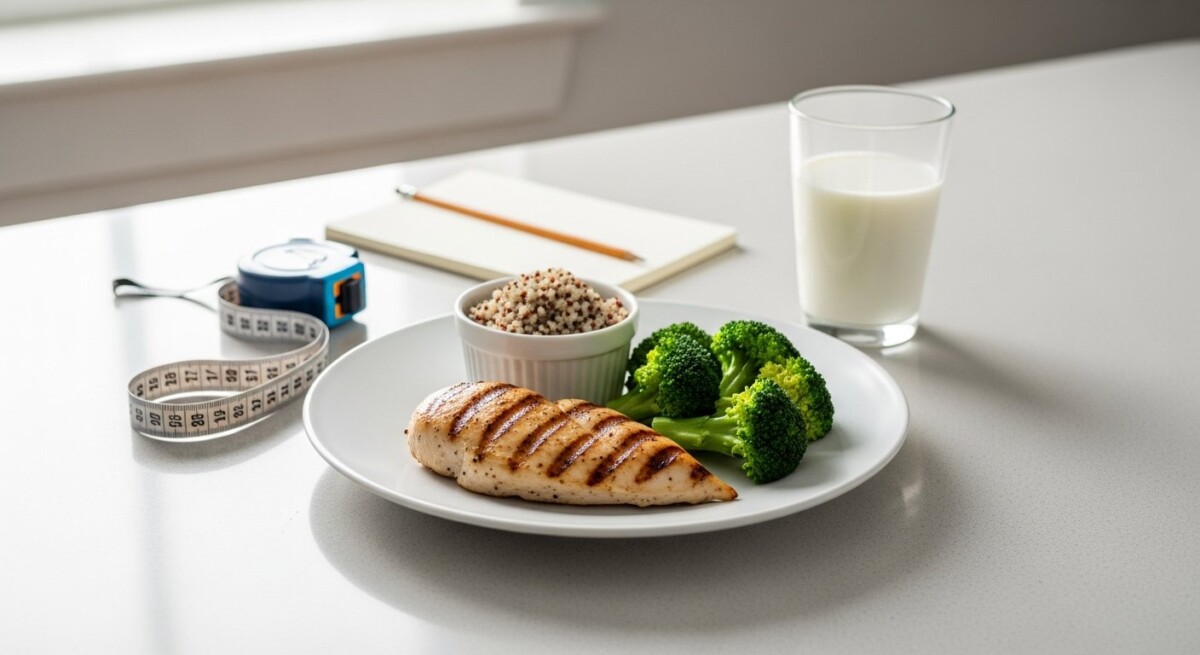
Protein is often called the building block of life, and for good reason. Every cell in your body contains protein, and it plays a critical role in repairing tissues, producing enzymes, supporting immune function, and maintaining muscle mass. But despite its importance, many people struggle with a simple question: how much protein do I need per day? The answer is not one size fits all. It depends on your age, activity level, fitness goals, and overall health status. This guide breaks down the science behind protein requirements, provides clear recommendations for different lifestyles, and helps you calculate your personal daily target.
Why Protein Matters More Than You Think
Protein is composed of amino acids, which are the raw materials your body uses to build and repair nearly everything. When you eat protein, your digestive system breaks it down into amino acids that enter your bloodstream. Your body then reassembles these amino acids into the specific proteins it needs at that moment. This process happens constantly, whether you are sleeping, exercising, or simply sitting at your desk.
Without enough dietary protein, your body cannot repair muscle tissue after a workout, produce enough antibodies to fight infections, or maintain healthy skin and hair. Over time, inadequate protein intake can lead to muscle wasting, a weakened immune system, and slower recovery from illness or injury. For these reasons, understanding your personal protein needs is not just about building muscle. It is about supporting every system in your body.
How Much Protein Do I Need Per Day: The General Guideline
The most widely accepted starting point for protein intake is the Recommended Dietary Allowance (RDA). The RDA for protein is 0.8 grams of protein per kilogram of body weight per day, or about 0.36 grams per pound. This amount is designed to meet the basic needs of nearly all healthy, sedentary adults. For a person weighing 150 pounds (68 kilograms), this translates to roughly 55 grams of protein per day.
However, the RDA is a minimum, not an optimal target. It was established to prevent deficiency, not to maximize health or performance. Many experts in sports nutrition, geriatrics, and weight management now recommend higher intakes based on individual goals. The question of how much protein do I need per day becomes more nuanced when you consider factors like exercise frequency, age-related muscle loss, and weight loss efforts.
The Role Of Activity Level And Fitness Goals
If you exercise regularly, your protein needs increase significantly. Physical activity, especially resistance training and endurance exercise, creates micro tears in muscle fibers. Your body needs extra amino acids to repair these tears and build stronger muscle tissue. For active individuals, the general recommendation is between 1.2 and 2.0 grams of protein per kilogram of body weight per day.
For example, a 175-pound (79 kg) person who lifts weights four times per week may need between 95 and 158 grams of protein daily. The higher end of this range is typically recommended during periods of intense training or when trying to build muscle mass. Endurance athletes, such as marathon runners, also benefit from intakes in the 1.2 to 1.6 g/kg range to support recovery and prevent muscle breakdown during long training sessions.
Protein Needs For Weight Loss And Body Composition
When you are trying to lose weight, protein becomes even more important. A higher protein intake helps preserve lean muscle mass while you are in a calorie deficit. Muscle tissue is metabolically active, meaning it burns more calories at rest than fat tissue. By protecting your muscle during weight loss, you help maintain a higher resting metabolic rate, which makes it easier to keep the weight off long term.
Research suggests that individuals in a calorie deficit should aim for 1.6 to 2.4 grams of protein per kilogram of body weight per day. This range has been shown to maximize muscle retention and improve satiety, helping you feel fuller between meals. For someone weighing 200 pounds (91 kg), this could mean eating between 145 and 218 grams of protein each day. That may sound like a lot, but it can be achieved by including protein-rich foods at every meal and snack.
How Age Affects Your Protein Requirements
As you age, your body becomes less efficient at using dietary protein to build and maintain muscle. This condition, sometimes called anabolic resistance, means older adults need more protein per meal to stimulate muscle protein synthesis effectively. The RDA of 0.8 g/kg is widely considered insufficient for people over the age of 65.
Many geriatric nutrition experts now recommend that older adults consume 1.2 to 1.5 grams of protein per kilogram of body weight per day. Spreading protein intake evenly across meals is also important. Instead of eating a very low protein breakfast and a high protein dinner, aim for roughly 25 to 35 grams of protein at each meal. This approach helps maximize muscle building throughout the day and can reduce the risk of sarcopenia, the age related loss of muscle mass and strength.
Practical Ways To Calculate Your Daily Protein Target
If you are still wondering how much protein do I need per day for your specific situation, the easiest method is to use a simple formula based on your weight and activity level. Start by converting your body weight to kilograms by dividing your weight in pounds by 2.2. Then multiply that number by the appropriate factor based on your lifestyle.
Here is a quick reference guide to help you determine your target:
- Sedentary adults: 0.8 grams per kilogram of body weight (the RDA minimum)
- Recreationally active adults (light exercise 3-4 days per week): 1.0 to 1.2 grams per kilogram
- Athletes and regular gym goers (moderate to intense training): 1.4 to 2.0 grams per kilogram
- Adults over 65: 1.2 to 1.5 grams per kilogram
- Weight loss or muscle gain phase: 1.6 to 2.4 grams per kilogram
These ranges provide a solid starting point. You can adjust up or down based on how your body responds. If you feel constantly hungry, struggle to recover from workouts, or notice your strength plateauing, you may benefit from moving toward the higher end of your recommended range.
Best Food Sources Of Protein
Meeting your protein goals does not require expensive supplements or extreme meal plans. Whole foods provide protein along with a host of other important nutrients like vitamins, minerals, and fiber. Animal based proteins are considered complete proteins because they contain all nine essential amino acids that your body cannot produce on its own. These include chicken breast, turkey, lean beef, eggs, fish, Greek yogurt, milk, and cottage cheese.
Plant based proteins can also meet your needs, though you may need to combine different sources to get a full amino acid profile. Excellent plant protein options include lentils, chickpeas, black beans, tofu, tempeh, edamame, quinoa, hemp seeds, and peanuts. For individuals following a vegan or vegetarian diet, aiming for the higher end of the protein range can help ensure adequate intake of all essential amino acids.
If you struggle to meet your protein targets through food alone, a high quality protein powder can be a convenient supplement. Whey protein is fast absorbing and ideal for post workout recovery, while plant based blends offer a good alternative for those avoiding dairy.
How To Distribute Protein Throughout The Day
Your body uses protein most efficiently when you consume it in relatively even amounts across your meals. Eating a very small breakfast, a moderate lunch, and a massive dinner is a common pattern, but it is not ideal for muscle maintenance or satiety. Research on muscle protein synthesis suggests that consuming 25 to 40 grams of protein per meal stimulates a robust anabolic response in most people.
For example, a day of optimal protein distribution might look like this: a breakfast with three eggs and a cup of Greek yogurt (about 35 grams of protein), a lunch with a grilled chicken salad and quinoa (about 40 grams), a dinner with salmon and roasted vegetables (about 45 grams), and a small evening snack like cottage cheese or a protein shake (about 20 grams). This pattern ensures that your body has a steady supply of amino acids throughout the day, supporting recovery and preventing muscle breakdown between meals.
Common Myths About Protein Intake
One persistent myth is that eating too much protein damages your kidneys. For healthy individuals with normal kidney function, high protein intakes are generally safe and well tolerated. The concern primarily applies to people with pre existing kidney disease, who should follow their doctor’s advice. Another myth is that you can only absorb 30 grams of protein per meal. While it is true that muscle protein synthesis peaks around that amount, your body can digest and absorb much larger quantities. Excess amino acids are simply used for energy or stored as fat.
There is also confusion about the timing of protein intake. While the post workout window is important, total daily protein intake matters more than exact timing. As long as you hit your daily target and spread it across meals, you do not need to worry about eating protein within 30 minutes of finishing your workout. That said, having a protein rich meal within two hours after exercise can enhance recovery.
When To Consider Professional Guidance
If you have specific health conditions, such as chronic kidney disease, liver problems, or metabolic disorders, your protein needs may differ significantly from the general recommendations. In these cases, it is essential to consult a healthcare provider or a registered dietitian who can tailor advice to your medical situation. Additionally, if you are considering a major dietary change or beginning a new fitness program, professional guidance can help you set realistic and safe protein targets.
For many people, the question of how much protein do I need per day can be answered by starting with the general guidelines and then adjusting based on personal experience. Pay attention to how your body feels: your energy levels, your recovery from exercise, your hunger between meals, and your overall sense of wellbeing. These signals can help you fine tune your intake over time.
Ultimately, protein is a vital nutrient that supports nearly every function in your body. By taking the time to understand your personal requirements and making a conscious effort to meet them through quality food sources, you can improve your muscle health, support your immune system, and maintain a healthy body composition for years to come. For those looking to track their health markers more closely, at home testing services like those offered by DoctorsHome can provide valuable insights into your nutritional status and overall wellness. In our guide on 7 Telehealth Platform Features That Improve Patient Experience, we discuss how virtual care can simplify health management.
Your protein target is a personal number, but it is one of the most impactful dietary adjustments you can make. Start with the formulas provided, experiment with different food sources, and remember that consistency matters more than perfection. With the right approach, meeting your daily protein needs becomes a simple and sustainable part of your healthy lifestyle.
About the Author: Jessica Martinez





Sign up for our newsletter and Save 20% on Test Kits
"*" indicates required fields