
How Does Telemedicine Work: A Complete Guide to Virtual Care
How Does Telemedicine Work: A Complete Guide to Virtual Care
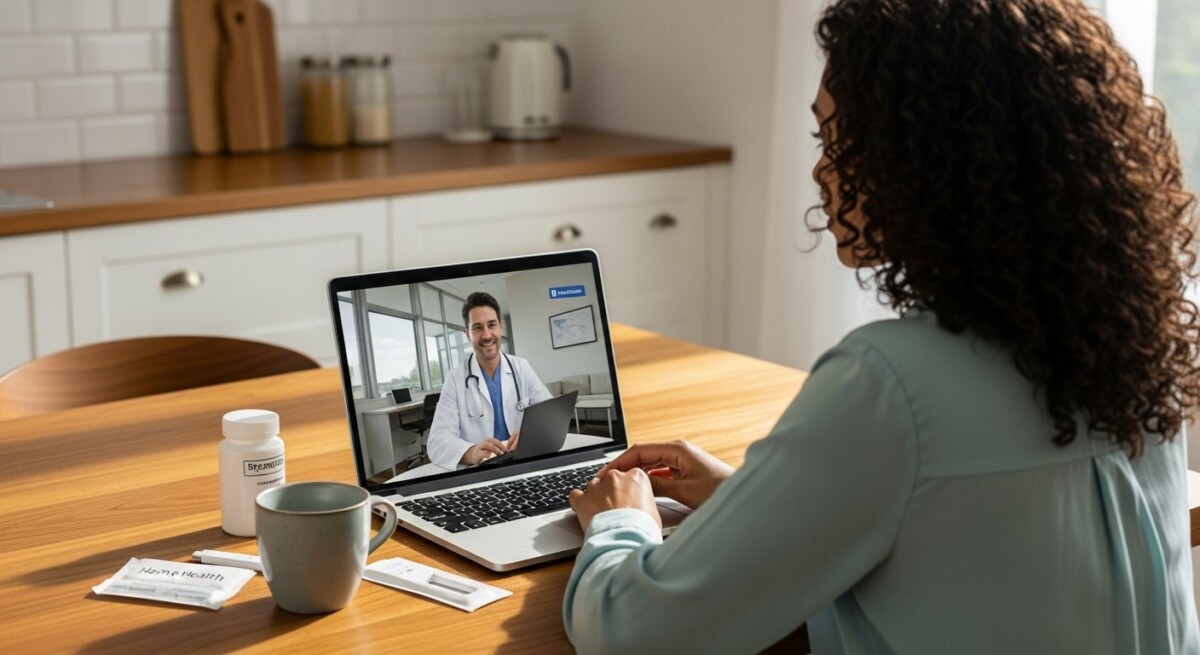
Imagine consulting with your doctor from your living room, getting a prescription refilled during your lunch break, or having a specialist review a skin condition by simply uploading a photo. This is the reality of telemedicine, a transformative approach to healthcare that uses digital technology to deliver medical services remotely. It is not a futuristic concept but a practical, widely adopted system that bridges geographical and logistical gaps between patients and providers. Understanding how telemedicine works demystifies the process and reveals its potential to make healthcare more accessible, convenient, and efficient for millions.
The Core Technology and Platforms
At its foundation, telemedicine relies on secure digital communication platforms to facilitate a clinical encounter. These platforms are specialized software applications designed to protect patient privacy under regulations like HIPAA (Health Insurance Portability and Accountability Act) in the United States. They are distinct from general-purpose video chat apps because they incorporate stringent security measures, such as end-to-end encryption and secure data storage. The technology stack typically includes a patient-facing interface (like a website or mobile app), a provider-facing portal, and a backend system that manages scheduling, billing, and electronic health record (EHR) integration. This infrastructure ensures that the virtual visit is both functional and compliant with medical standards.
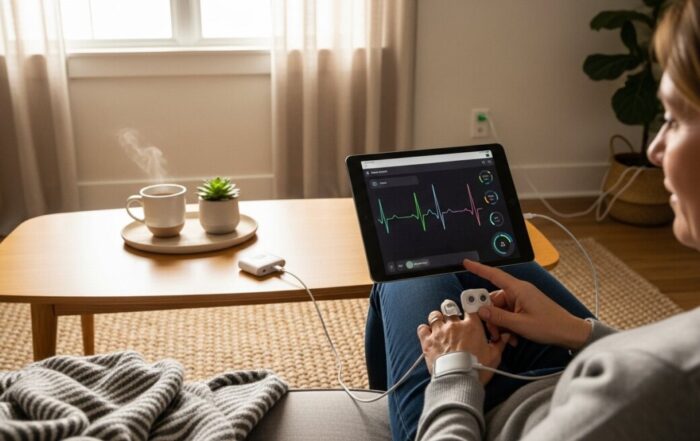
The primary modes of telemedicine delivery are often categorized into three types. Synchronous telemedicine involves live, two-way audio and video interaction between a patient and a clinician, mirroring a traditional in-person visit in real time. Asynchronous telemedicine, often called “store-and-forward,” allows patients to upload medical data, such as images, messages, or lab results, for a provider to review at a later time. This method is exceptionally useful for specialties like dermatology, where a visual assessment is key. Remote patient monitoring (RPM) constitutes the third type, using connected devices (like blood pressure cuffs, glucose meters, or heart monitors) to transmit patient health data to a provider for ongoing management of chronic conditions. Most comprehensive telemedicine services utilize a blend of these modalities to provide holistic care.
The Step-by-Step Patient Journey
Engaging with telemedicine is a streamlined process designed for user convenience. It begins with access and scheduling. Patients typically start through a healthcare provider’s existing patient portal, a dedicated telemedicine service app, or a third-party platform contracted by their insurance. The steps from there are logical and straightforward.
First, the patient schedules an appointment, often seeing available time slots in real time, much like booking any online service. They may need to complete digital intake forms, provide insurance information, and describe their reason for the visit. Second, when the appointment time arrives, the patient joins a secure virtual waiting room via a link sent to their email or phone. They test their audio and video equipment in advance to ensure a smooth connection. Third, the live consultation begins. The provider and patient converse much as they would in an office. The provider can ask questions, perform visual examinations (asking the patient to show a throat, for instance, or the range of motion in a joint), review symptoms, and discuss medical history.
Following the consultation, the provider determines the clinical path forward. This may involve several actions:
- Providing a diagnosis and discussing a treatment plan.
- Electronically sending a prescription to the patient’s preferred pharmacy.
- Ordering necessary lab work or imaging at a local facility.
- Recommending follow-up actions, which could be another virtual visit or an in-person referral if hands-on examination is required.
- Documenting the encounter in the patient’s official electronic health record.
The entire visit is often summarized in an after-visit note sent to the patient via the secure platform, ensuring they have a record of instructions and next steps. For specific concerns, such as evaluating a skin rash, the process can be even more direct. Patients can upload high-quality photos for a dermatologist to review asynchronously, often receiving a diagnosis and treatment plan without a live video call. You can see this process in action in our detailed guide on getting a skin rash diagnosis online.
Clinical Applications and Use Cases
Telemedicine is not suitable for every medical situation, such as emergencies like chest pain or severe trauma, but its appropriate applications are vast and growing. It excels in managing routine and follow-up care. Common use cases include treatment for minor acute illnesses like colds, flu, sinus infections, and urinary tract infections. It is highly effective for mental health services, providing a private, comfortable setting for therapy and psychiatric medication management. Chronic disease management for conditions like diabetes, hypertension, and asthma benefits greatly from regular virtual check-ins and remote monitoring, allowing for timely adjustments to treatment plans.
Furthermore, telemedicine expands access to specialty care that might otherwise require long-distance travel. Patients in rural areas can consult with neurologists, endocrinologists, or cardiologists without leaving their community. Post-operative follow-ups, medication management reviews, and lifestyle counseling are other areas where virtual visits save time and reduce burden for patients. The flexibility of asynchronous models also supports fields like radiology, where images can be read remotely, and dermatology, as mentioned earlier. By handling these types of visits virtually, healthcare systems can free up in-person resources for the patients who need them most, creating a more efficient overall ecosystem.
Benefits, Limitations, and the Future
The advantages of telemedicine are compelling and multifaceted. For patients, the most immediate benefits are convenience and improved access. It eliminates travel time and costs, reduces time away from work or family, and can lessen exposure to other illnesses in waiting rooms. It also makes specialist care accessible to those in underserved or remote locations. For the healthcare system, it can increase operational efficiency, reduce no-show rates for appointments, and potentially lower the cost of care delivery for certain conditions. During public health crises, it provides a critical means of maintaining continuity of care while supporting social distancing.
However, telemedicine has inherent limitations. The lack of physical touch, or palpation, means some conditions are difficult or impossible to diagnose accurately. It depends on the patient’s access to and comfort with reliable technology and a high-speed internet connection, potentially creating a digital divide. Certain diagnostic tests, like blood work or imaging, still require an in-person visit to a lab or facility. The regulatory and reimbursement landscape, while greatly improved, can still be complex and varies by region and insurance provider.
Looking ahead, the integration of telemedicine is becoming more seamless with traditional care, evolving into a standard component of a hybrid care model. Advances in connected devices for remote monitoring, artificial intelligence for preliminary symptom analysis, and more intuitive platform designs will continue to enhance its capabilities. The goal is not to replace in-person care but to create a more flexible, patient-centered system where the mode of care is matched to the clinical need. As our resource on online dermatology consultations illustrates, this technology is already delivering specialized care directly to patients’ homes.
Frequently Asked Questions
Is telemedicine covered by insurance?
Most major insurance plans, including Medicare and Medicaid, now cover telemedicine services. Coverage details, such as copays and eligible visit types, can vary, so it is best to check with your specific insurance provider before scheduling an appointment.
Can I get a prescription through telemedicine?
Yes, licensed healthcare providers can prescribe medications via telemedicine for appropriate conditions. However, they cannot prescribe controlled substances (like certain pain medications or ADHD drugs) without an initial in-person evaluation in many jurisdictions, and they must adhere to state and federal regulations.
What equipment do I need for a telemedicine visit?
You typically need a smartphone, tablet, or computer with a camera, microphone, and speaker, along with a stable internet connection. Most platforms work through a web browser or a downloadable app. It is advisable to test your setup before your appointment.
How do I prepare for my first telemedicine appointment?
Prepare as you would for an in-office visit. Have a list of your symptoms, current medications, allergies, and any questions ready. Ensure you are in a quiet, private, well-lit room. Log in to the platform a few minutes early to address any technical issues.
Is telemedicine as effective as in-person care?
For the many conditions it is designed to treat, such as routine follow-ups, mental health counseling, and minor acute illnesses, studies show telemedicine is just as effective as in-person care in terms of clinical outcomes, patient satisfaction, and quality of care. It is a validated clinical tool when used appropriately.
Telemedicine has fundamentally altered the healthcare landscape, moving from a niche convenience to a mainstream care delivery model. By leveraging secure digital communication, it breaks down traditional barriers of distance and time, offering a practical solution for non-emergency medical needs. Its integration into standard practice promises a more resilient, accessible, and patient-empowered future for healthcare, where the question is not just “how does telemedicine work,” but “how can it work for me.”
About the Author: Sarah Thompson




Sign up for our newsletter and Save 20% on Test Kits
"*" indicates required fields