

How Doctor Appointment Apps and Websites Simplify Healthcare Booking
How Doctor Appointment Apps and Websites Simplify Healthcare Booking

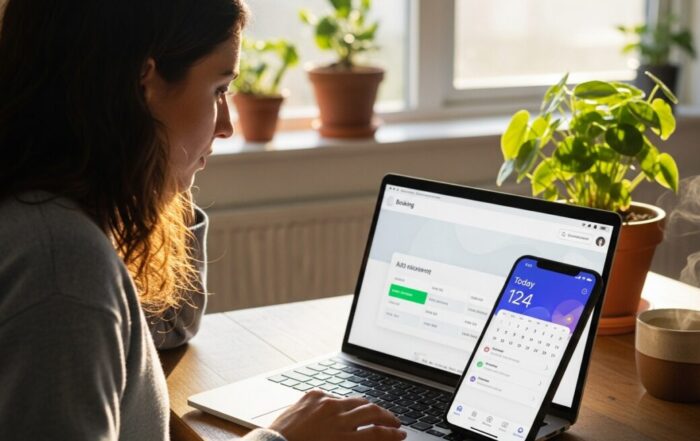
Gone are the days of waiting on hold during lunch breaks, hoping to secure a doctor’s appointment. The digital transformation of healthcare has ushered in a new era of patient convenience, centered on doctor appointment apps and websites for easy booking. This shift is more than a simple scheduling change, it represents a fundamental improvement in healthcare access, patient empowerment, and administrative efficiency. For millions, the frustration of coordinating care through phone tag and limited office hours is being replaced by a few taps on a smartphone or clicks on a website. These platforms are not just digital calendars, they are integrated gateways that connect patients with the right provider, manage health records, and often facilitate virtual follow-ups, creating a seamless continuum of care from discovery to consultation.
The Core Benefits of Digital Booking Platforms
Adopting a doctor booking app or utilizing a comprehensive doctor appointment website delivers tangible advantages for both patients and healthcare providers. For patients, the most immediate benefit is regained time and reduced stress. The ability to search for providers by specialty, location, insurance accepted, and even patient reviews, all outside of traditional business hours, places control firmly in the patient’s hands. This transparency allows for informed decision-making that was previously difficult. Furthermore, these systems minimize human error in scheduling, ensuring appointment details, including time, date, and provider name, are accurately recorded and instantly confirmed via email or SMS.
For healthcare practices, the efficiency gains are substantial. A robust doctor appointment site automates the intake process, reducing front-desk staff burden and decreasing the volume of missed calls. It can integrate directly with the practice management software to show real-time availability, preventing double-booking. Automated reminders sent through these platforms significantly reduce no-show rates, which directly impacts practice revenue and optimizes provider schedules. The data collected through digital bookings also offers valuable insights into patient demand patterns, helping practices allocate resources more effectively. The cumulative effect is a smoother operational workflow and improved patient satisfaction from the very first interaction.
Key Features to Look for in a Booking Platform
Not all doctor appointment apps are created equal. When evaluating options, whether as a patient seeking care or a practice choosing a software vendor, certain features distinguish a basic scheduler from a powerful healthcare tool. A high-quality platform should offer a user-friendly interface that requires minimal effort to navigate. The search functionality must be robust, allowing filters for critical criteria like specialty, gender preference, languages spoken, and crucially, verified insurance plan acceptance. Integration with electronic health records (EHR) is a major advantage, as it allows new patients to pre-fill intake forms digitally, saving time in the waiting room.
Beyond scheduling, look for platforms that enhance the entire care journey. Secure messaging enables communication with the clinic for non-urgent questions. Digital check-in and co-pay collection features streamline the front-office process upon arrival. For many, especially in managing ongoing conditions, the ability to schedule recurring appointments is essential. Perhaps most importantly, the platform must prioritize security and compliance with regulations like HIPAA, ensuring that all personal health information transmitted through the app or website is fully protected. A comprehensive doctor booking app acts as a secure hub for the patient-provider relationship.
Here are five essential features that define a top-tier doctor appointment app or website:
- Real-Time, Accurate Availability: Syncs directly with the provider’s calendar to show only open slots, eliminating back-and-forth calls to confirm.
- Insurance Verification Tools: Allows patients to input their insurance details to see which in-network providers are available, preventing billing surprises.
- Telehealth Integration: Offers the option to book virtual visits (telemedicine) where appropriate, providing flexible care modalities.
- Centralized Health Profile: Stores patient details, insurance information, and medical history to expedite future bookings and intake.
- Automated Reminders and Notifications: Sends SMS and email alerts for upcoming appointments, reducing no-shows and last-minute cancellations.
Navigating Different Types of Booking Services
The landscape of digital booking is diverse, catering to different needs. Patients can generally choose between aggregator platforms and direct practice booking tools. Aggregator websites and apps, like Zocdoc or Healthgrades, function as large directories. They list thousands of providers across multiple specialties and insurance networks in a given geographic area. Their strength lies in breadth of choice and the ability to compare providers based on verified reviews, availability, and location all in one place. They are excellent for finding a new doctor or specialist when you are unsure where to start.
In contrast, many individual hospitals, large medical groups, and independent practices now offer their own dedicated doctor appointment apps or booking widgets embedded directly on their websites. This direct approach is ideal for existing patients within a specific healthcare system. It often allows for deeper integration with that system’s unique patient portal, providing access to lab results, prescription refills, and direct communication with your known care team. The choice between an aggregator and a direct practice tool often depends on whether you are establishing new care or managing ongoing care within an existing provider relationship. For a deeper dive into starting this process, our guide on book doctor appointments online outlines the fundamental steps.
Special Considerations for Telemedicine and Hybrid Care
The rise of telemedicine has fundamentally altered the appointment booking paradigm. Many doctor appointment apps now seamlessly blend options for in-person and virtual visits. When booking, patients may see icons or filters indicating whether a provider offers video consultations. This is particularly valuable for follow-up visits, medication management, mental health therapy, and certain specialist consultations where a physical exam is not strictly necessary. Booking a telehealth appointment through a dedicated platform ensures you receive the correct secure video link and instructions, integrating smoothly into the virtual care experience.
Platforms like Doctors Home exemplify this hybrid model by specializing in condition-specific telemedicine. A patient seeking care for a recurring issue like herpes virus management or eye allergies can use such a service to book a virtual consultation with a licensed professional, often receiving a prescription electronically if appropriate, all without leaving home. This model highlights how specialized doctor booking apps can cater to specific healthcare needs, merging appointment scheduling with direct service delivery. It underscores the importance of choosing a platform whose services align with your specific health requirements, whether for general primary care or targeted specialist support.
Overcoming Common Challenges and User Tips
Despite their advantages, users of doctor appointment sites may encounter occasional hurdles. A common issue is discovering that a booked appointment is not actually confirmed until the practice manually approves it, defeating the purpose of instant booking. To avoid this, look for platforms that guarantee real-time scheduling. Another challenge is outdated insurance information on aggregator sites. It is always prudent to double-check with the provider’s office directly if network participation is critical. For new patients, be prepared to still arrive early to your first appointment to complete full intake paperwork, even if you started it online.
To maximize the benefits of these tools, adopt a strategic approach. Keep your patient profile on your preferred app or website complete and up-to-date, including your insurance card photo and current medication list. Utilize the review systems thoughtfully, both by reading them to choose providers and by leaving detailed feedback about your own experiences to help others. Set your notification preferences to receive both a 48-hour reminder and a same-day alert for appointments. If you need to cancel, do so through the app as early as possible, as this often automatically opens the slot for another patient. Finally, for chronic condition management, use the platform’s features to schedule your next preventative visit or follow-up before you even leave the current appointment, ensuring continuity of care.
Frequently Asked Questions (FAQs)
Are doctor appointment apps secure and HIPAA compliant? Reputable platforms designed for healthcare use are built with HIPAA compliance as a core requirement. They use encryption for data transmission and storage. Always review the platform’s privacy policy and look for statements about HIPAA compliance and data security before entering sensitive health information.
Can I use these apps to book appointments for my family members? Most platforms allow you to manage profiles for dependents, such as children or elderly parents, from a single account. You can typically switch between profiles to book appointments on their behalf, which is a major convenience for caregivers.
What if I need to see a specialist and don’t know who to choose? Aggregator apps are excellent for this. Use the search filters for the required specialty, read verified patient reviews, check credentials, and compare available times. Some platforms also allow you to see which providers are most frequently booked, which can be an indicator of reputation.
Do I still need to call the office if I book online? For a routine booking, usually not. However, if you have a complex medical issue you need to describe before the appointment, or if you are booking a very specific type of visit (e.g., a procedure), a follow-up call can be prudent to ensure the office is fully prepared.
Are there costs for using these booking services? For patients, these services are almost always free. The platforms are typically funded by subscriptions from the healthcare practices that use them to manage their schedules. You pay only your standard office visit co-pay or fees, not an extra charge for using the booking tool.
The integration of doctor appointment apps and websites into mainstream healthcare is a resounding win for patient-centric care. By demystifying and simplifying the process of accessing medical professionals, these tools lower barriers, save time, and reduce administrative friction. They empower individuals to take a proactive role in managing their health schedules. As technology continues to evolve, we can expect these platforms to become even more intelligent, perhaps offering AI-driven provider recommendations based on medical history or predictive scheduling for chronic disease management. The future of healthcare access is digital, immediate, and conveniently in the palm of your hand.
About the Author: Brian Carter




Sign up for our newsletter and Save 20% on Test Kits
"*" indicates required fields