
How Digital Innovation in Healthcare Transforms Patient Care
How Digital Innovation in Healthcare Transforms Patient Care
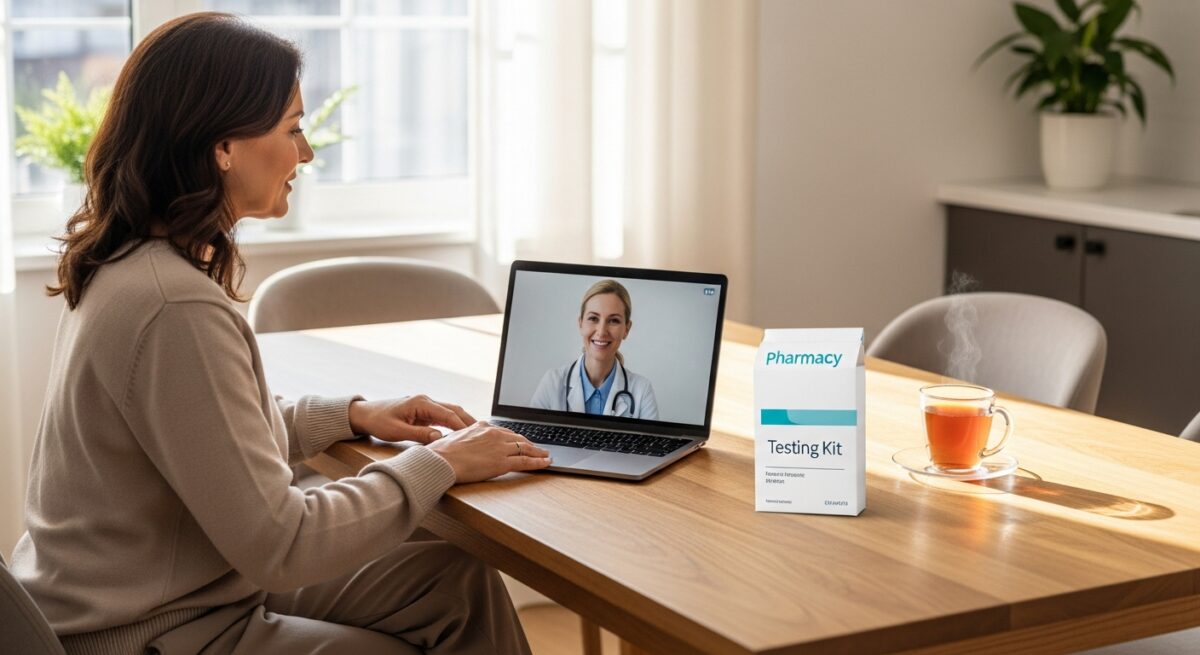
The healthcare industry is undergoing a profound transformation. For decades, receiving medical care meant scheduling an appointment weeks in advance, sitting in a crowded waiting room, and taking time off work for a brief consultation. Today, digital innovation in healthcare and emerging technologies are reshaping this experience, making care more accessible, convenient, and personalized than ever before. From telemedicine platforms that connect patients with licensed physicians in minutes to at-home diagnostic tests that deliver lab results without leaving the house, the shift toward patient-centered digital health is accelerating rapidly. This article explores the key technologies driving this change and how they are improving health outcomes for millions of people.
The Rise of Telemedicine and Virtual Care
Telemedicine has emerged as one of the most impactful applications of digital innovation in healthcare. Virtual consultations allow patients to speak with healthcare providers from the comfort of their own homes, eliminating travel time and reducing exposure to contagious illnesses. This model has proven especially valuable for managing chronic conditions, obtaining prescription refills, and addressing minor acute concerns like allergies or infections.
Platforms such as DoctorsHome exemplify this shift by offering streamlined online consultations for specific conditions like herpes virus and eye allergies. Patients complete a simple intake form, a licensed physician reviews their information, and if appropriate, a prescription is sent to a pharmacy for discreet delivery within two to five business days. This process removes barriers to care, particularly for individuals who may feel embarrassed discussing sensitive health issues in person or who lack easy access to a primary care provider.
The convenience of telemedicine extends beyond consultations. Many platforms now integrate at-home testing kits that allow patients to collect samples for laboratory analysis without visiting a clinic. These kits screen for a wide range of conditions, including vitamin deficiencies, thyroid function, cholesterol levels, and sexually transmitted infections. By combining virtual visits with home testing, digital health companies create a seamless care pathway that empowers patients to take control of their health.
Key Technologies Driving Healthcare Innovation
Several emerging technologies are converging to make digital healthcare more effective and accessible. Understanding these tools helps patients and providers alike appreciate the scope of the transformation underway.
Artificial Intelligence and Machine Learning
Artificial intelligence is playing an increasingly important role in diagnosis, treatment planning, and patient monitoring. Machine learning algorithms can analyze medical images, detect patterns in lab results, and even predict disease risk based on patient data. For example, AI-powered tools help dermatologists identify skin cancers from photographs, while natural language processing systems assist in reviewing electronic health records to flag potential medication interactions.
In the context of ada digital health and broader healthcare technology innovation, AI also enables chatbots and virtual assistants that provide patients with immediate answers to common health questions. These tools triage symptoms, offer medication reminders, and guide users to appropriate care resources. While AI does not replace the clinical judgment of a licensed physician, it enhances efficiency and supports better decision-making.
Wearable Devices and Remote Monitoring
Wearable technology has moved beyond fitness tracking into medical-grade monitoring. Smartwatches now measure heart rate, blood oxygen levels, and electrocardiogram readings. Continuous glucose monitors provide real-time data for diabetes management, and blood pressure cuffs sync wirelessly with smartphone apps. These devices generate a continuous stream of health data that physicians can review remotely, enabling early intervention when values fall outside normal ranges.
For patients with chronic conditions, remote monitoring reduces the need for frequent office visits while improving clinical outcomes. A patient with hypertension, for instance, can share weekly blood pressure readings with their doctor, who can adjust medication dosages without requiring an in-person appointment. This approach exemplifies how digital innovation in healthcare and emerging technologies create a more responsive and proactive care model.
Blockchain for Health Data Security
As healthcare becomes increasingly digital, protecting patient data is paramount. Blockchain technology offers a decentralized, tamper-proof method for storing and sharing medical records. Patients can grant temporary access to specific providers, ensuring that their sensitive information remains secure while still being available when needed. This technology also streamlines administrative processes like insurance claims and billing, reducing errors and fraud.
How At-Home Testing Empowers Patients
One of the most practical applications of digital health is the expansion of at-home medical testing. Traditionally, laboratory tests required a visit to a clinic or hospital. Today, patients can order test kits online, collect samples at home, and mail them to a certified lab for analysis. Results are typically available through a secure online portal within days.
DoctorsHome offers an extensive menu of at-home testing kits covering conditions such as:
- COVID-19 and other infectious diseases
- Male hormone levels and female fertility markers
- STDs and STIs including herpes, hepatitis B, and hepatitis C
- Essential vitamin levels such as vitamin B12, vitamin D, and folate
- Metabolic markers including cholesterol, kidney function, and diabetes indicators
These tests provide valuable insights that patients can discuss with their healthcare provider during a telemedicine visit. For example, a patient experiencing fatigue might order a vitamin D test, receive results showing a deficiency, and then consult with a physician who can recommend appropriate supplementation. This integrated approach eliminates delays and puts actionable health information directly into the patient’s hands.
In our guide on digital health companies reshaping healthcare innovation, we explore how leading platforms are integrating testing with virtual care to create comprehensive health management solutions. This convergence of services is a hallmark of modern healthcare technology innovation.
Telemedicine and Prescription Access
For many patients, the primary motivation for using digital health services is obtaining prescription medications for ongoing conditions or acute episodes. Telemedicine platforms have streamlined this process, making it possible to receive appropriate treatment without a physical examination in many cases.
DoctorsHome focuses on specific conditions where remote prescribing is safe and effective. For herpes virus management, patients can consult with a physician who may prescribe antiviral medications to suppress outbreaks or reduce transmission risk. Similarly, individuals suffering from eye allergies can access prescription allergy drops after a brief online evaluation. The entire process is designed to respect patient privacy, with medications shipped in discreet packaging directly to the patient’s home.
This model addresses a critical gap in the healthcare system. Many people delay seeking care for conditions they find embarrassing or inconvenient to discuss face-to-face. By offering a confidential, low-friction alternative, digital health platforms encourage earlier intervention, which can lead to better outcomes and reduced disease transmission.
The Role of Data in Personalized Medicine
Digital innovation in healthcare and emerging technologies generate vast amounts of data. When analyzed responsibly, this information enables personalized treatment plans tailored to each patient’s unique biology, lifestyle, and preferences. Instead of a one-size-fits-all approach, physicians can recommend interventions based on genetic markers, biomarker trends, and real-world behavior patterns.
For example, a patient using a continuous glucose monitor might discover that certain foods cause dramatic blood sugar spikes. Armed with this data, their doctor can provide targeted dietary advice rather than generic recommendations. Similarly, genetic testing can reveal how an individual metabolizes specific medications, guiding prescribing decisions to maximize efficacy and minimize side effects.
Personalized medicine represents the frontier of healthcare technology innovation. As more patients adopt digital tools and share their health data, the potential for tailored care will only grow. However, this progress depends on maintaining robust privacy protections and ensuring that data is used ethically.
Addressing Common Concerns About Digital Health
As with any transformative technology, digital healthcare raises important questions. Patients naturally wonder about the quality of care, data security, and whether virtual consultations can truly replace in-person visits. These concerns are valid and deserve thoughtful consideration.
Research consistently shows that telemedicine consultations for appropriate conditions are as effective as in-person visits for diagnosis and treatment of many common ailments. Licensed physicians follow the same clinical guidelines regardless of whether the interaction occurs in an exam room or through a video call. However, certain situations still require physical examination, and reputable platforms clearly communicate when an in-person referral is necessary.
Data security is another priority. Legitimate digital health companies comply with HIPAA regulations and use encryption to protect patient information. Patients should verify that any platform they use clearly states its privacy practices and allows them to control how their data is shared.
Finally, it is important to remember that digital health tools complement rather than replace traditional medical care. Patients with complex or urgent conditions should always seek emergency care or consult with their primary care provider. Digital innovation in healthcare and emerging technologies are tools to enhance access and convenience, not substitutes for professional medical judgment.
For those interested in exploring how telemedicine can address specific health needs, resources like financial wellness tools and other digital services can complement healthcare planning by helping patients manage the costs associated with treatment.
Frequently Asked Questions
What is digital innovation in healthcare? Digital innovation in healthcare refers to the use of technology to improve medical services, patient outcomes, and operational efficiency. It includes telemedicine, electronic health records, wearable devices, artificial intelligence, and at-home testing.
How does telemedicine work for prescription medications? Patients complete an online consultation form describing their symptoms and medical history. A licensed physician reviews the information and, if appropriate, issues a prescription that is sent to a pharmacy for delivery. This process is legal in most states for specific conditions.
Are at-home medical tests accurate? When conducted according to instructions and processed by certified laboratories, at-home tests provide reliable results. However, they should be used as screening tools, and any abnormal findings should be discussed with a healthcare provider.
Is my health information safe on digital health platforms? Reputable platforms use encryption and comply with HIPAA privacy rules. Patients should review a platform’s privacy policy before sharing personal information and ensure it explicitly describes data protection practices.
Can telemedicine replace my primary care doctor? Telemedicine is best suited for specific conditions and follow-up care. It should complement rather than replace a long-term relationship with a primary care provider, who can coordinate comprehensive care and manage complex health issues.
The landscape of healthcare is evolving rapidly, driven by digital innovation in healthcare and emerging technologies that put patients at the center of their own care. From virtual consultations with licensed physicians to at-home testing kits that deliver lab-quality results, these tools offer unprecedented convenience, discretion, and accessibility. Platforms like DoctorsHome exemplify this shift by providing streamlined access to care for specific conditions, backed by secure processes and professional medical oversight. As technology continues to advance, patients who embrace these tools will find themselves better equipped to manage their health on their own terms. The future of healthcare is digital, and it is already here.
About the Author: Megan Patel





Sign up for our newsletter and Save 20% on Test Kits
"*" indicates required fields