

How Advanced Telemedicine Technologies Are Transforming Healthcare
How Advanced Telemedicine Technologies Are Transforming Healthcare
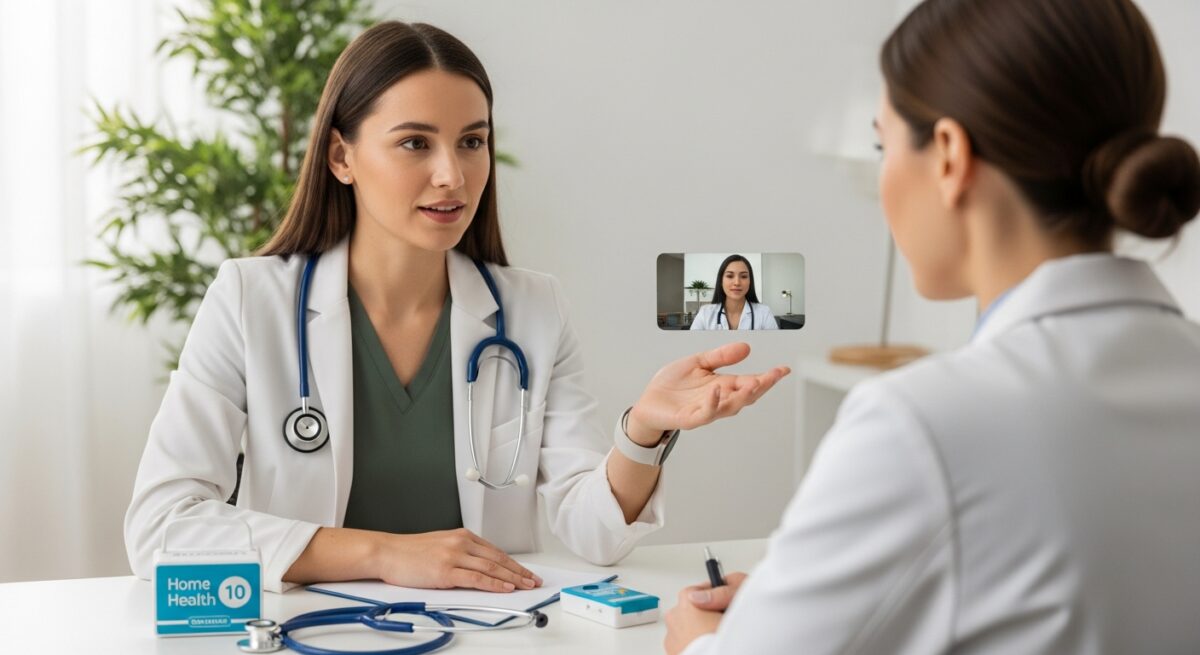
The video call with a doctor was just the beginning. Today, a quiet revolution is unfolding within the digital health landscape, propelled by a suite of sophisticated technologies that are moving telemedicine far beyond simple virtual consultations. These advanced telemedicine technologies transforming healthcare are not merely about replicating an office visit online, they are about reimagining care delivery entirely. By integrating artificial intelligence, immersive interfaces, and continuous data streams, modern telemedicine systems are creating a more proactive, personalized, and accessible healthcare ecosystem. This shift is dismantling traditional barriers of geography, time, and resource scarcity, offering a glimpse into a future where high-quality care is seamlessly integrated into the fabric of daily life.
The Core Pillars of Modern Telemedicine Systems
The evolution from basic video platforms to comprehensive digital health ecosystems rests on several interconnected technological pillars. These components work in concert to create a robust infrastructure capable of supporting complex medical interactions and longitudinal care management. The first pillar is high-fidelity, secure communication. This goes beyond standard video conferencing to include specialized platforms with clinical-grade audio and video, integrated digital stethoscopes, otoscopes, and dermatoscopes that transmit data directly to the provider. These tools allow for detailed physical examinations previously thought impossible remotely.
The second pillar is data integration and interoperability. Advanced telemedicine platforms are no longer siloed applications. They function as hubs that aggregate and synthesize data from electronic health records (EHRs), wearable devices, remote patient monitoring (RPM) tools, and patient-reported outcomes. This creates a holistic, real-time view of a patient’s health status. The third pillar is clinical decision support (CDS). Embedded within these platforms, AI-driven CDS tools analyze the aggregated data to flag potential issues, suggest differential diagnoses, and recommend evidence-based treatment pathways, thereby augmenting the clinician’s expertise and reducing diagnostic errors.
Artificial Intelligence and Machine Learning as Clinical Augments
Perhaps the most transformative force within advanced telemedicine is artificial intelligence (AI) and machine learning (ML). These technologies are moving from the periphery to the core of patient care, acting as powerful augments to human clinicians. In diagnostic support, AI algorithms are achieving remarkable accuracy in analyzing medical images, from detecting diabetic retinopathy in retinal scans to identifying suspicious skin lesions in dermatology consultations. This not only speeds up diagnosis but also extends specialist reach to underserved areas where a dermatologist or ophthalmologist may not be physically present.
Beyond diagnostics, AI powers predictive analytics. By continuously analyzing data streams from RPM devices (tracking blood pressure, glucose levels, heart rhythms), machine learning models can identify subtle patterns that precede a serious health event, such as a heart failure exacerbation or a diabetic crisis. This enables a shift from reactive to proactive care, where interventions can be made to prevent hospitalizations. Furthermore, AI-driven natural language processing (NLP) is streamlining administrative burdens. It can transcribe patient-clinician conversations, extract key clinical concepts, and auto-populate EHR notes, freeing up significant time for doctors to focus on patient interaction rather than paperwork.
Remote Patient Monitoring and the Internet of Medical Things
The proliferation of connected medical devices, often termed the Internet of Medical Things (IoMT), has supercharged the capabilities of remote care. Advanced telemedicine now seamlessly incorporates data from a vast array of patient-worn or home-based sensors, creating a continuous flow of physiological data. This is fundamentally changing the management of chronic diseases like hypertension, diabetes, and chronic obstructive pulmonary disease (COPD). Patients can use Bluetooth-enabled blood pressure cuffs, continuous glucose monitors, and spirometers that automatically transmit readings to their care team.
The real power lies in the platform’s ability to manage this data deluge. Sophisticated dashboards present trends and alerts, allowing care coordinators and clinicians to monitor entire patient panels efficiently. Automated protocols can be established: for example, if a heart failure patient’s daily weight increases by more than two pounds in 24 hours (a sign of fluid retention), the system can automatically alert a nurse to initiate a protocol, potentially averting an emergency room visit. This model of care fosters greater patient engagement and self-management while providing clinicians with objective, real-world data that is far more informative than episodic office readings. For a deeper look at this specific facet, our guide on how remote monitoring devices are transforming patient care explores the practical impacts and device ecosystem in detail.
Immersive Technologies: AR, VR, and Digital Twins
The frontier of advanced telemedicine includes immersive technologies that blend the digital and physical worlds. Augmented Reality (AR) is being used for remote assistance and training. A specialist could use AR glasses to see what a frontline worker or a patient sees, overlaying digital instructions or annotations onto the real-world view to guide a procedure, such as wound care or a physical therapy exercise. This provides expert oversight without travel.
Virtual Reality (VR) is finding powerful applications in tele-rehabilitation and mental health. Patients can engage in prescribed physical therapy within immersive, gamified environments that improve adherence and outcomes. For mental health, VR exposure therapy is used to treat PTSD, phobias, and anxiety disorders in a controlled, gradual manner that can be meticulously guided by a remote therapist. Meanwhile, the concept of the “digital twin” (a dynamic virtual model of a patient’s physiology) is emerging. By combining genetics, biomarker data, and real-time IoMT feeds, these models could allow clinicians to simulate how a patient might respond to a specific medication or treatment plan before ever prescribing it, ushering in an era of ultra-personalized, predictive medicine.
Integration Challenges and the Path to Sustainable Adoption
For all their promise, the widespread adoption of these advanced telemedicine technologies faces significant hurdles. The most formidable is integration with legacy healthcare IT systems. Many hospitals and clinics operate on older EHR platforms that are not designed for seamless, real-time data exchange with external telemedicine and RPM applications. This creates workflow fragmentation and data silos that undermine efficiency and can pose patient safety risks if information is incomplete.
Other critical challenges include ensuring health equity so these technologies do not widen the digital divide, navigating complex and evolving state-by-state licensing and reimbursement policies, and maintaining rigorous cybersecurity and data privacy standards in an increasingly connected environment. Success requires a concerted effort on multiple fronts. Key steps for sustainable integration include:
- Prioritizing Interoperability: Adopting platforms that use open application programming interfaces (APIs) and adhere to standards like FHIR (Fast Healthcare Interoperability Resources) to enable data fluidity.
- Workflow-Centric Design: Involving clinicians and staff in the design process to ensure technology fits into, rather than disrupts, clinical workflows.
- Hybrid Care Models: Intentionally designing care pathways that specify when remote care is appropriate and when in-person evaluation is necessary, creating a cohesive patient journey.
- Investment in Digital Literacy: Providing resources and support for both providers and patients to build comfort and competency with new tools.
Overcoming these barriers is essential to move from pilot projects to scaled, systemic transformation.
Frequently Asked Questions
How secure is my health data with advanced telemedicine platforms?
Reputable platforms prioritize security using enterprise-grade encryption for data both in transit and at rest. They comply with stringent regulations like HIPAA in the United States, ensuring technical, physical, and administrative safeguards. Always verify a platform’s HIPAA-compliance and privacy policy before use.
Will AI eventually replace doctors in telemedicine?
No. The role of AI in modern telemedicine systems is to augment, not replace, clinicians. It handles data analysis, pattern recognition, and administrative tasks, freeing the physician to focus on complex decision-making, empathy, and the human elements of care that technology cannot replicate. The clinician remains the ultimate authority in diagnosis and treatment.
Are these advanced technologies covered by insurance?
Coverage is rapidly expanding but remains variable. Medicare and many private insurers now reimburse for a wide range of telehealth visits and specific remote monitoring services for chronic conditions. Coverage for newer aspects like AI analysis or VR therapy is less common but growing. Patients should always check with their specific insurance provider.
What equipment do I need to benefit from these technologies?
At a minimum, a smartphone, tablet, or computer with a reliable internet connection. For more advanced remote monitoring, your provider may prescribe or recommend specific FDA-cleared devices (e.g., a Bluetooth blood pressure monitor) that connect to the platform. The complexity is typically managed on the software side, not by the patient.
Can telemedicine handle urgent or emergency situations?
Advanced telemedicine is excellent for many urgent care needs (like infections, rashes, minor injuries) and chronic disease management. However, it is not a substitute for emergency care for conditions like chest pain, severe shortness of breath, stroke symptoms, or major trauma. These require immediate in-person emergency services.
The trajectory is clear: healthcare is becoming increasingly distributed, data-driven, and patient-centric. The integration of AI, continuous monitoring, and immersive tools into advanced telemedicine platforms is creating a new standard of care that is both high-touch and high-tech. This transformation promises not only greater convenience but also improved health outcomes through earlier intervention, personalized treatment, and consistent engagement. The future of healthcare is not a choice between digital and physical, but a smart, integrated hybrid where technology empowers clinicians and patients to achieve better health, together.
About the Author: Matthew Sullivan




Sign up for our newsletter and Save 20% on Test Kits
"*" indicates required fields