

How Accurate Are At Home UTI Tests and How Do They Work?
How Accurate Are At Home UTI Tests and How Do They Work?
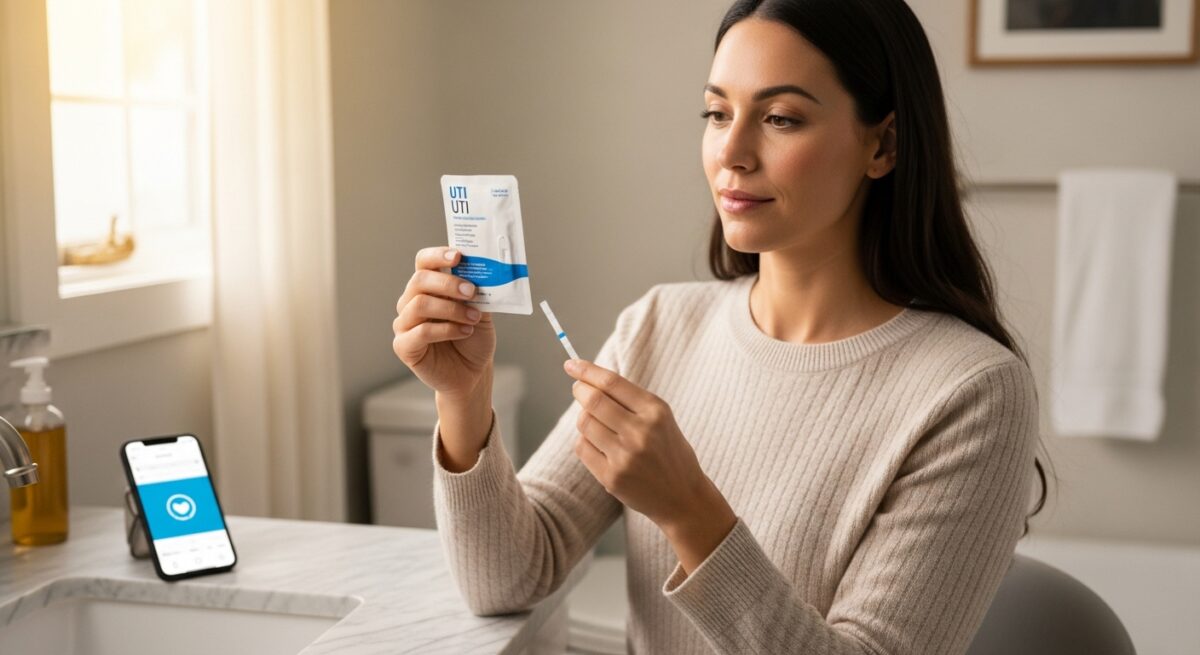
That sudden, urgent, and often painful feeling is all too familiar for millions. A urinary tract infection (UTI) can disrupt your life in an instant, but the thought of scheduling a doctor’s appointment, traveling to a clinic, and waiting for results can add significant stress. Today, the landscape of healthcare has evolved, offering a convenient and private alternative: the at home UTI test. These kits promise quick insights from the comfort of your bathroom, but how reliable are they really? Understanding the mechanics behind these tests and, critically, their accuracy is essential for anyone considering this modern approach to a very common health concern. This guide delves into the science of at home urinary tract infection tests, explaining the process step-by-step and providing a clear-eyed evaluation of what the results mean for your next steps.
What Is an At Home UTI Test?
An at home UTI test is a self-administered diagnostic tool designed to detect signs of a urinary tract infection in your urine. Unlike the comprehensive culture and sensitivity tests performed in a laboratory, which identify the specific bacteria causing the infection and which antibiotics will work against it, most consumer at-home tests are screening tools. They look for chemical indicators, or biomarkers, that suggest an infection is likely present. The most common biomarkers tested are nitrites and leukocytes (white blood cells). Certain bacteria that cause UTIs convert nitrates in the urine to nitrites, so a positive nitrite test is a strong indicator of infection. Leukocytes indicate your body’s immune response to an infection, including a UTI. Some advanced at-home kits may also test for other markers like blood or protein.
How an At Home Urinary Tract Test Works: A Step-by-Step Process
The process for using a urinary tract test at home is generally straightforward, but following the instructions precisely is crucial for obtaining a reliable result. While brands vary, the core procedure is consistent. Here is a typical sequence of steps you can expect.
First, you will need to collect a urine sample. Most kits provide a sterile collection cup. It is vital to collect a “mid-stream” sample. This means you should start urinating into the toilet, then place the cup to catch the middle portion of your stream, and finish urinating in the toilet. This technique helps reduce contamination from skin cells or bacteria that reside around the urethral opening, providing a cleaner sample for testing. Next, you will apply the urine to the test device. This usually involves either dipping a test strip directly into the collected sample or using a pipette to transfer a few drops to a specific well on a test cassette. The test strip contains pads impregnated with chemicals that react with the biomarkers in your urine.
After applying the sample, you must wait for the designated development time, typically 60 to 120 seconds. During this period, a chemical reaction occurs. If the biomarkers are present above a certain threshold, the pads on the strip will change color. Finally, you compare the color changes on the strip to a color chart provided by the manufacturer. Each pad corresponds to a different substance (e.g., nitrites, leukocytes). The intensity of the color indicates a positive or negative result for that specific marker. It is important to read the results within the exact time window specified in the instructions, as colors can continue to change and lead to misinterpretation.
Evaluating the Accuracy of Home UTI Tests
Accuracy is the most critical question surrounding at home UTI test kits. It is a nuanced topic because these tests measure chemical indicators, not the presence of bacteria itself. Their accuracy is typically reported in terms of sensitivity and specificity. Sensitivity refers to a test’s ability to correctly identify those who have a UTI (true positive rate). Specificity refers to its ability to correctly identify those who do not have a UTI (true negative rate). No test is 100% perfect in both categories.
Most over-the-counter UTI test strips have a relatively high specificity for nitrites, meaning if the test is positive for nitrites, it is very likely you have a bacterial UTI. However, their sensitivity can be lower. Some bacteria, like *Staphylococcus saprophyticus* or *Enterococcus*, do not convert nitrates to nitrites, leading to a false negative nitrite result even when an infection is present. The leukocyte test is more sensitive to the presence of an immune response but less specific to UTIs. White blood cells in urine can also be caused by other conditions, such as vaginal inflammation, kidney stones, or sexually transmitted infections, potentially leading to a false positive result.
Therefore, the overall accuracy of an at home urinary tract infection test depends on interpreting the combination of results. A test that is positive for both nitrites AND leukocytes has a very high predictive value for a UTI. A test that is negative for both has a reasonably high predictive value for the absence of a UTI. The confusing results are the discordant ones: positive leukocytes but negative nitrites, or vice versa. These scenarios require professional medical interpretation. Furthermore, user error, such as improper sample collection, incorrect timing, or using an expired test, can significantly compromise accuracy.
The Vital Role of Telemedicine in At-Home Testing
This is where the true power of modern digital healthcare shines. An at home UTI test should not be a diagnostic endpoint, but rather a informative starting point for a conversation with a healthcare professional. This is the integrated model that platforms like Doctors Home facilitate. You can use an at-home test kit for initial screening, and then, based on the results and your symptoms, immediately connect with a licensed healthcare provider via a telemedicine consultation.
The provider can review your self-test results, discuss your symptom history in detail, and determine the appropriate clinical course. If a UTI is strongly suspected, they can prescribe antibiotics electronically to your local pharmacy. If the results are ambiguous or negative but symptoms persist, they can recommend next steps, which may include a more definitive lab-based urine culture. This seamless integration of at-home testing and virtual care bridges the gap between convenience and clinical safety. It empowers you with information while ensuring you have guided access to effective treatment, all without an unnecessary in-person visit. This approach aligns with broader principles of antibiotic stewardship, helping to ensure antibiotics are prescribed only when truly necessary.
Benefits and Limitations of Self-Testing for UTIs
Understanding both the advantages and the boundaries of at home UTI tests is key to using them effectively.
The benefits are significant. The foremost is convenience and speed. You can test on your own schedule, at the first sign of symptoms, often getting results in minutes rather than days. This is coupled with privacy, allowing you to avoid discussing potentially embarrassing symptoms in a public waiting room. For individuals with recurrent UTIs, these tests can provide quick reassurance or confirmation, enabling them to seek treatment faster. They also promote healthcare accessibility for those in remote areas or with mobility challenges. From a systemic perspective, when used as part of a telemedicine pathway, they can reduce unnecessary clinic visits, easing the burden on healthcare facilities.
However, the limitations are serious and must be respected. As discussed, the risk of false negatives and false positives is real. A false negative could delay necessary treatment, allowing a simple bladder infection to potentially progress to a more serious kidney infection. A false positive could lead to unnecessary antibiotic use. These tests are screening tools, not definitive diagnostics. They cannot identify the specific bacteria causing the infection or its antibiotic sensitivities, information critical for treating complex or recurrent infections. They are also not suitable for everyone. For example, symptoms in men, pregnant individuals, people with diabetes, or those with severe symptoms (like fever, flank pain, nausea) require immediate professional evaluation, not an at-home test.
Frequently Asked Questions About At Home UTI Tests
Can an at home UTI test replace a doctor’s visit?
No, it cannot replace a doctor’s consultation. It is best used as an initial information-gathering tool to be reviewed with a healthcare provider. A telemedicine visit is a highly efficient way to have a professional interpret your results in the context of your full medical history and symptoms.
How soon after symptoms start should I take a test?
It is advisable to wait until you have clear symptoms, such as burning during urination, urgency, or cloudy urine. Testing at the very first twinge may yield a false negative if biomarker levels are not yet high enough to detect. If symptoms are severe, seek medical advice immediately regardless of test results.
What should I do if my home test is negative but I still have symptoms?
Do not ignore your symptoms. A negative at-home test does not definitively rule out a UTI or other medical issue. You should consult a healthcare provider to discuss your symptoms. They may recommend a laboratory urine culture, which is the gold standard for diagnosis.
Are there different types of at home UTI tests?
Yes. The most common are dipstick test strips. Some newer digital tests use a smartphone app to analyze a test cassette, potentially reducing interpretation errors. Other kits are part of a full telemedicine service, where you mail your sample to a lab and receive results and a clinician consultation.
Can I use an expired test kit?
Absolutely not. The chemical reagents on the test strips degrade over time. Using an expired kit will produce highly unreliable results. Always check the expiration date before use.
The emergence of at home UTI tests represents a meaningful step forward in patient-centered, accessible healthcare. They demystify a common health issue and provide rapid, private insights. However, their value is maximized and their risks are minimized when they are understood as one component of a broader care journey. By pairing the convenience of a urinary tract test at home with the professional judgment available through integrated telemedicine services, you can navigate a UTI scare with both speed and confidence, ensuring you receive safe, effective, and timely care tailored to your specific needs.
About the Author: Brian Carter


Sign up for our newsletter and Save 20% on Test Kits
"*" indicates required fields