

How Accurate Are At-Home Test Kits? A Science-Based Guide
How Accurate Are At-Home Test Kits? A Science-Based Guide
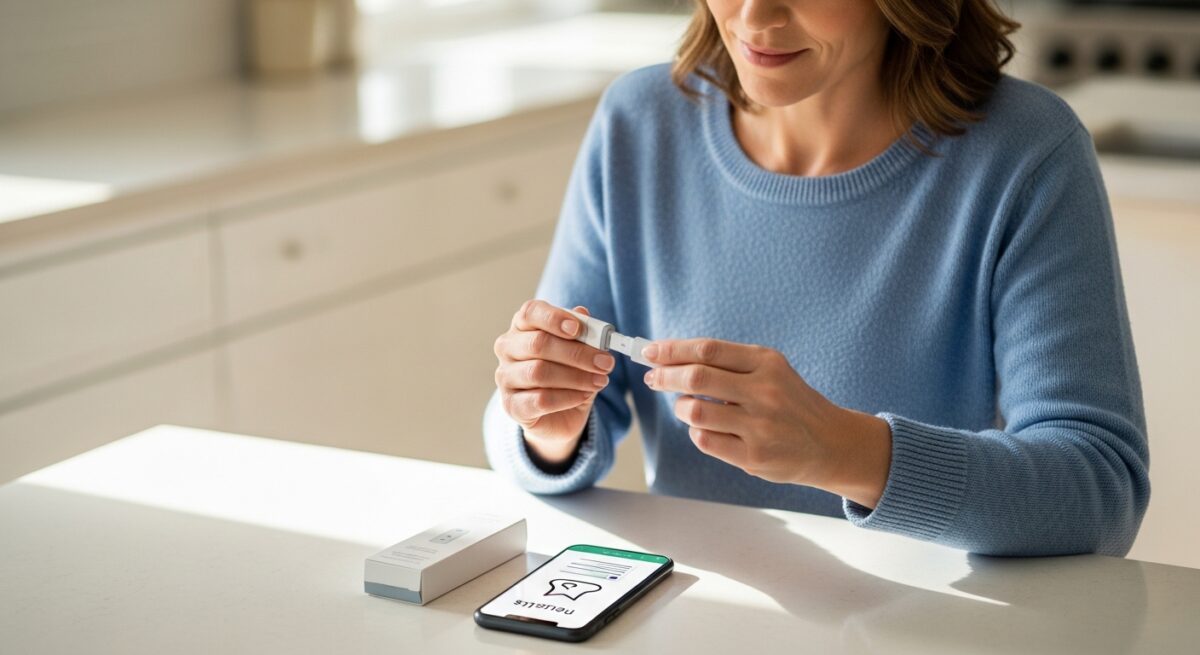
You’ve likely seen them in pharmacies, online, and advertised on social media: at-home test kits for everything from COVID-19 and flu to cholesterol, STIs, and food sensitivities. Their promise is undeniable: convenience, privacy, and immediate results from the comfort of your living room. But a critical question lingers in the minds of consumers and healthcare providers alike: are at-home test kits accurate? The answer is not a simple yes or no. It’s a nuanced landscape where accuracy depends on a complex interplay of test type, user technique, regulatory oversight, and the specific condition being tested. Understanding this landscape is essential for making informed decisions about your health.
The Science Behind At-Home Test Accuracy
To evaluate accuracy, we must first understand how these tests work. Most at-home diagnostic kits are designed to detect specific biomarkers, such as viral proteins (antigens), genetic material (RNA/DNA), antibodies, or hormones. The two primary methodologies are rapid antigen tests and molecular tests (like PCR). Antigen tests, common for respiratory illnesses, are generally faster but less sensitive than molecular tests, which amplify genetic material for detection. The fundamental measure of a test’s performance is its sensitivity and specificity. Sensitivity refers to the test’s ability to correctly identify those with the condition (true positive rate). Specificity is its ability to correctly identify those without the condition (true negative rate). A test with 95% sensitivity will miss 5% of true cases (false negatives). A test with 98% specificity will incorrectly flag 2% of healthy people as positive (false positives). These metrics are established in controlled laboratory studies, a crucial point we will revisit when discussing real-world use.
Key Factors That Influence Test Reliability
Laboratory-derived accuracy numbers tell only part of the story. When a test moves from a clinical setting to a consumer’s home, several variables are introduced that can significantly impact reliability. The first and perhaps most critical is user error. In a clinic, a trained professional collects the sample following a strict protocol. At home, the user must perfectly follow sometimes intricate instructions for swabbing depth, duration, and handling. A slight deviation can render a sample inadequate. Second is timing. Testing too early in an infection (before viral load is high enough) or too late (after an immune response has waned) can lead to inaccurate results. Third is test storage and expiration. These kits often contain biological reagents that can degrade if left in a hot car or used past their expiration date. Finally, the prevalence of the condition in the community affects the predictive value of a result. Even a highly specific test can yield more false positives if the condition is very rare in the tested population.
Given these variables, here are the primary factors that determine whether you get a reliable result from your at-home kit:
- User Technique: Strict adherence to instructions for sample collection, handling, and processing time.
- Test Design and Technology: Molecular (PCR) tests are inherently more sensitive than rapid antigen tests.
- Regulatory Status: Whether the test has Emergency Use Authorization (EUA) or full FDA approval.
- Condition and Timing: The stage of infection or disease when the sample is taken.
- Sample Integrity: Proper storage of the kit and prompt mailing of samples for lab-based tests.
Regulatory Oversight and What It Means for You
In the United States, the Food and Drug Administration (FDA) regulates at-home tests as medical devices. This oversight is a key pillar of consumer protection. Tests that have received FDA authorization, either through the pre-market approval (PMA) process or an Emergency Use Authorization (EUA), have submitted data demonstrating their safety and effectiveness. You can and should verify a test’s FDA status on the agency’s website before purchasing. However, the market also contains laboratory developed tests (LDTs) and direct-to-consumer wellness tests that may not have undergone the same rigorous review, particularly for non-diagnostic purposes like genetic ancestry or vitamin levels. The distinction is vital: an FDA-authorized COVID-19 test has validated performance data, while a at-home food sensitivity test measuring IgG antibodies may not be clinically validated for diagnosing true allergies and could lead to unnecessary dietary restrictions.
Comparing Test Types: From COVID to Cholesterol
Accuracy varies dramatically across different categories of tests. It’s misleading to group all “at-home tests” together. Their performance must be evaluated within their specific diagnostic context.
Infectious Disease Tests (e.g., COVID-19, Flu, STIs)
For infectious diseases, the gold standard often remains a PCR test processed in a lab. At-home options include rapid antigen tests and self-collection kits for lab-based PCR. Rapid antigen tests for COVID-19 are excellent for detecting high viral loads, making them useful for symptomatic individuals, but their sensitivity drops significantly in asymptomatic or pre-symptomatic cases. Their accuracy is highly time-dependent. For STIs like chlamydia and gonorrhea, self-collection kits (where you mail a sample to a lab) can be as accurate as clinician-collected samples when processed with the same PCR technology, offering a critical privacy and access benefit.
Health Monitoring Tests (e.g., Cholesterol, HbA1c)
These tests, which often use a finger-prick blood sample, have made significant strides. FDA-authorized at-home cholesterol or HbA1c (for diabetes monitoring) kits can provide results that are reasonably comparable to lab tests, but with a wider margin of error. They are best used for periodic monitoring in consultation with a healthcare provider, not for initial diagnosis. Variability can come from the small sample volume and the consumer’s technique in applying blood to the test strip.
Hormone and Wellness Tests
This is a burgeoning and less-regulated category. Tests for fertility (LH), thyroid (TSH), or testosterone can provide indicative data but often require confirmation with a conventional venous blood draw for clinical decision-making. Non-diagnostic wellness tests, like those for food sensitivities based on IgG, lack strong scientific consensus on their clinical validity for diagnosing true, IgE-mediated allergies.
Best Practices for Maximizing Your Test Accuracy
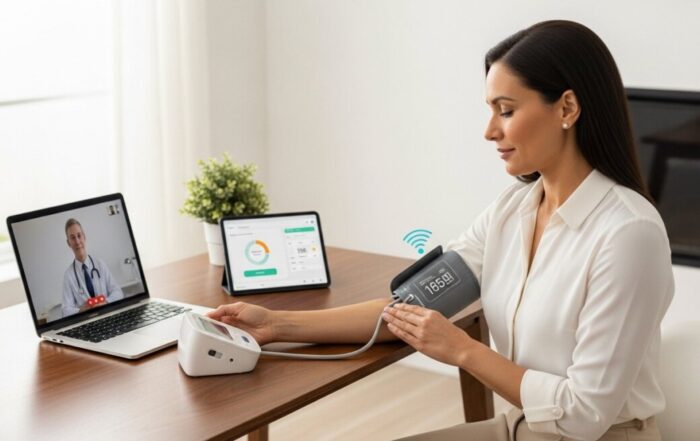
You have considerable control over the reliability of your at-home test result. By following a disciplined protocol, you can minimize user error and maximize the chances of an accurate reading. First, always read the entire instruction leaflet before you begin. Prepare a clean, well-lit workspace. Wash your hands thoroughly. Pay meticulous attention to sample collection: for nasal swabs, this means the correct angle and number of rotations; for saliva tests, avoid eating, drinking, or brushing teeth for the prescribed time beforehand. For blood tests, warm your hands to increase blood flow. Second, strictly observe timing. Do not read the result before the minimum time or after the maximum time stated in the instructions, as both can lead to false readings. Third, understand the test’s limitations. A negative rapid antigen test while symptomatic does not definitively rule out infection; it may warrant a confirmatory PCR test. Finally, use the result as a data point in a larger health picture, not as a definitive diagnosis. This is where telemedicine services, like those offered by platforms such as Doctors Home, become invaluable. A virtual consultation with a licensed professional allows you to interpret your at-home result in the context of your symptoms and medical history, and to determine the appropriate next steps, which may include a confirmatory lab test or a prescription.
When to Trust a Positive or Negative Result
Interpreting the result requires an understanding of pre-test probability. If you have classic symptoms of a disease and a positive at-home test, the result is highly likely to be a true positive, especially if the test has high specificity. In this case, you should initiate appropriate isolation measures and seek care. A negative result in a symptomatic person is more problematic. With a rapid antigen test, it could be a false negative due to low viral load. The prudent course is to repeat the test in 24-48 hours or seek a PCR test. For asymptomatic screening (e.g., testing before visiting a vulnerable relative), a negative result on a rapid test is reassuring but not an absolute guarantee, highlighting the need to continue other protective measures. For non-infectious conditions like high cholesterol, an abnormal at-home result should always be followed up with a traditional lab test ordered by your doctor to confirm the finding before starting any treatment.
Frequently Asked Questions
Are home test kits accurate for STIs? FDA-authorized self-collection kits for STIs like chlamydia and gonorrhea, which are mailed to a lab for PCR analysis, are very accurate and comparable to clinician-collected samples. They are a reliable and private screening tool.
Can I use an at-home test to diagnose myself? No. At-home tests are designed for screening and monitoring, not definitive diagnosis. A positive or negative result should be discussed with a healthcare provider who can consider your full clinical picture. Telemedicine provides a convenient avenue for this consultation.
Why did my at-home test result differ from my lab test? Differences can arise from user error, timing of the sample, the inherent lower sensitivity of some rapid tests compared to lab PCR, or test degradation. Biological variability can also account for small differences in metrics like cholesterol.
How do I know if a test is FDA approved? Check the test packaging or the manufacturer’s website for FDA Emergency Use Authorization (EUA) or approval numbers. You can also search the FDA’s online databases for medical devices.
Are expensive at-home test kits more accurate? Not necessarily. Price often reflects branding, technology (PCR vs. antigen), or bundled services (telehealth consultation). Accuracy is determined by FDA-reviewed performance data, not cost.
The landscape of at-home testing is a powerful testament to the democratization of health information. When used correctly and with a clear understanding of their strengths and limitations, these kits are accurate enough to be incredibly valuable tools for proactive health management, timely screening, and informed conversations with your doctor. Their true accuracy is realized not in isolation, but when integrated into a broader healthcare journey, supported by professional guidance. By choosing FDA-authorized tests, following instructions meticulously, and partnering with a healthcare provider to interpret results, you can harness the convenience of at-home testing while safeguarding your health.
About the Author: Daniel Brooks



Sign up for our newsletter and Save 20% on Test Kits
"*" indicates required fields