

How a Virtual Doctor for Depression Treatment Expands Access to Care
How a Virtual Doctor for Depression Treatment Expands Access to Care

Depression is a pervasive and debilitating condition affecting millions, yet for many, the path to treatment is blocked by significant barriers: long wait times for appointments, geographical distance from specialists, the stigma of walking into a mental health clinic, and the sheer exhaustion that makes leaving the house feel impossible. In this landscape, a new model of care is proving to be a lifeline. Connecting with a virtual doctor for depression treatment is transforming how individuals access the help they need, bringing professional psychiatric and therapeutic support directly into the safety and privacy of one’s own home. This digital approach is not a replacement for all forms of care, but a powerful, evidence-based tool that is dismantling traditional obstacles and making consistent, effective mental health management a realistic goal for a broader population.
Understanding the Virtual Care Model for Depression
The concept of a virtual doctor for depression treatment encompasses a range of services delivered via secure video conferencing, phone calls, and messaging platforms. It is a subset of telepsychiatry and teletherapy, conducted by licensed professionals including psychiatrists, psychiatric nurse practitioners, psychologists, and licensed clinical social workers. These providers are qualified to diagnose depression, develop personalized treatment plans, provide psychotherapy (talk therapy), and, when appropriate, prescribe and manage medications. The core premise is to replicate the standards of an in-person clinical visit through a digital medium, ensuring confidentiality, empathy, and clinical rigor.
This model is particularly well-suited for depression management because it emphasizes consistency and accessibility, two factors critical for recovery. Depression often saps motivation and energy, making the logistics of traditional care a hurdle. Virtual care removes the commute, reduces the time commitment, and can offer more flexible scheduling, including evening or weekend appointments. For individuals in rural areas with few local mental health resources, or those in urban areas where specialists have months-long waitlists, a virtual doctor for depression treatment can provide timely intervention that might otherwise be delayed or never sought.
The Tangible Benefits of Online Depression Treatment
Choosing to work with a virtual doctor for depression treatment offers a multitude of advantages that directly address the challenges posed by the condition itself. The benefits extend beyond mere convenience to impact the very efficacy and sustainability of the treatment journey.
First, and perhaps most significantly, is the dramatic improvement in access. Patients are no longer limited to providers within a drivable radius. They can choose a specialist who is the right fit for their needs, regardless of location. This is crucial for finding providers with specific expertise, such as in treatment-resistant depression or co-occurring conditions. Second, the reduced stigma and increased privacy encourage people to seek help earlier. Attending a session from a familiar, private space can lower anxiety and make the vulnerable process of discussing mental health feel safer.
Third, virtual care promotes better continuity. Missed appointments are a common problem in depression treatment, often triggered by symptoms like fatigue or low mood. The reduced friction of logging on versus traveling to an office can improve adherence to regular therapy and medication check-ins. Finally, this model can be more cost-effective for both patients and the healthcare system, eliminating travel costs and often offering transparent pricing models. For those with insurance, many major providers now cover telehealth mental health services comparably to in-person visits.
What to Expect in a Virtual Depression Consultation
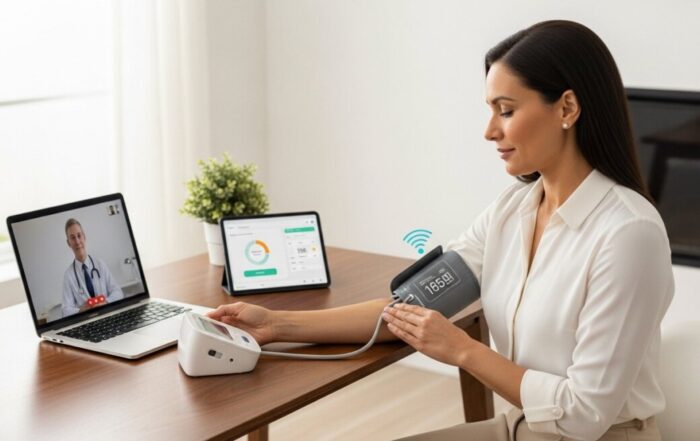
If you are considering this option, understanding the typical process can alleviate uncertainty. The journey usually begins by registering with a reputable telemedicine platform, like Doctors Home, which connects you with licensed professionals. You will complete detailed intake forms about your medical history, current symptoms, and any previous treatments. This information helps your provider prepare for your first session.
The initial consultation is a comprehensive evaluation, similar to an in-person visit. Your virtual doctor will discuss your mood, sleep patterns, appetite, energy levels, and thought processes. They will ask about your personal and family history and any current stressors. The goal is to establish an accurate diagnosis and understand the context of your depression. Based on this assessment, you and your provider will collaboratively create a treatment plan. This plan may include:
- Psychotherapy (Talk Therapy): Regular sessions using evidence-based approaches like Cognitive Behavioral Therapy (CBT), Dialectical Behavior Therapy (DBT), or Interpersonal Therapy (IPT), conducted via video.
- Medication Management: If medication is deemed beneficial, your provider can prescribe it electronically to your pharmacy. They will schedule follow-ups to monitor effectiveness and adjust dosages with minimal delay. For more on this process, you can read our guide on how to get a prescription through a virtual doctor consultation.
- Lifestyle and Behavioral Strategies: Guidance on sleep hygiene, exercise, nutrition, and mindfulness practices to support overall well-being.
- Integration with At-Home Testing: Some platforms may recommend or facilitate at-home lab tests to rule out underlying physical conditions (like thyroid issues) that can mimic or worsen depression.
Follow-up appointments are then scheduled at regular intervals to track progress, making treatment a dynamic and responsive process.
Ensuring Safety and Effectiveness in Digital Mental Health Care
As with any medical service, quality and safety are paramount. A legitimate virtual doctor for depression treatment will always operate within strict ethical and legal guidelines. Key indicators of a reputable service include clear licensure information for all providers, use of HIPAA-compliant, encrypted video and messaging software to protect your privacy, and established protocols for emergencies. A responsible provider will assess your safety during every session, asking about suicidal thoughts or self-harm, and will have a clear plan for escalating care or contacting local emergency services if you are in crisis and located in a different region.
Effectiveness is also well-supported. Numerous studies have shown that teletherapy and telepsychiatry are as effective as in-person care for treating many forms of depression, anxiety, and other common mental health conditions. The therapeutic alliance, the crucial bond between patient and provider, can be successfully built through a screen. The key is finding a platform that prioritizes high-quality, licensed care over automated, chatbot-style interactions. The human connection remains the cornerstone of effective depression treatment, whether it happens in an office or over a video call.
Limitations and Ideal Candidates for Virtual Treatment
While powerful, virtual depression treatment is not a one-size-fits-all solution. It is typically most suitable for individuals with mild to moderate depression, those seeking medication management and supportive therapy, and people who require the accessibility it provides. It serves as an excellent maintenance tool for those with stable chronic depression who need consistent check-ins.
There are, however, important limitations. Virtual care may not be appropriate for individuals experiencing severe, acute depressive episodes with active suicidal ideation, psychosis, or a need for intensive daily intervention. These situations often require the resources of an in-person facility, such as a hospital or intensive outpatient program. Furthermore, a virtual doctor cannot perform physical exams, which are sometimes necessary to rule out medical causes. They also rely on the patient having a private, quiet space and a reliable internet connection for sessions. Understanding these boundaries ensures that patients seek the most appropriate level of care for their specific situation.
Frequently Asked Questions About Virtual Depression Doctors
Is virtual treatment for depression as effective as in-person therapy?
Yes, for many people. Extensive research, including studies published in the Journal of Affective Disorders and the American Journal of Psychiatry, has found that telehealth delivery of cognitive behavioral therapy and other modalities for depression yields outcomes equivalent to in-person treatment.
Can a virtual doctor prescribe antidepressants?
Yes, licensed psychiatrists and psychiatric nurse practitioners practicing via telehealth can prescribe medications for depression, including SSRIs, SNRIs, and others. They must be licensed in the state where you are physically located during the consultation. The prescription is sent electronically to a pharmacy of your choice.
How do I know if a telemedicine platform is legitimate and secure?
Verify that the platform clearly states its providers are fully licensed and credentialed. It should explicitly mention HIPAA compliance for all its communication tools (video, chat, email). Read patient reviews and check for accreditation. Avoid services that promise a prescription without a real-time consultation with a licensed clinician.
What if I have a crisis or emergency between sessions?
Reputable platforms will have clear, documented emergency protocols. Your provider should discuss these with you. They are not a replacement for 911 or local emergency services. You should always call 988 (the Suicide & Crisis Lifeline) or go to the nearest emergency room in an immediate crisis.
Will my insurance cover virtual depression treatment?
Coverage has expanded significantly, especially since the pandemic. Most private insurers and Medicare now cover telehealth mental health services. It is essential to check with your specific insurance plan to understand your copay, deductible, and any visit limits.
The emergence of the virtual doctor for depression treatment represents a significant and positive shift in the mental health landscape. It is a practical, evidence-based response to the very real barriers of access, stigma, and logistics that have long prevented people from getting consistent help. By delivering high-quality, personalized care directly to individuals wherever they are, this model empowers more people to take the first step, and the steps that follow, on their path to recovery. It complements traditional care and, for many, provides a viable, sustainable, and effective way to manage their mental health and reclaim their well-being.
About the Author: Rachel Nguyen


Sign up for our newsletter and Save 20% on Test Kits
"*" indicates required fields