
How a Video Call With a Doctor Transforms Modern Healthcare
How a Video Call With a Doctor Transforms Modern Healthcare
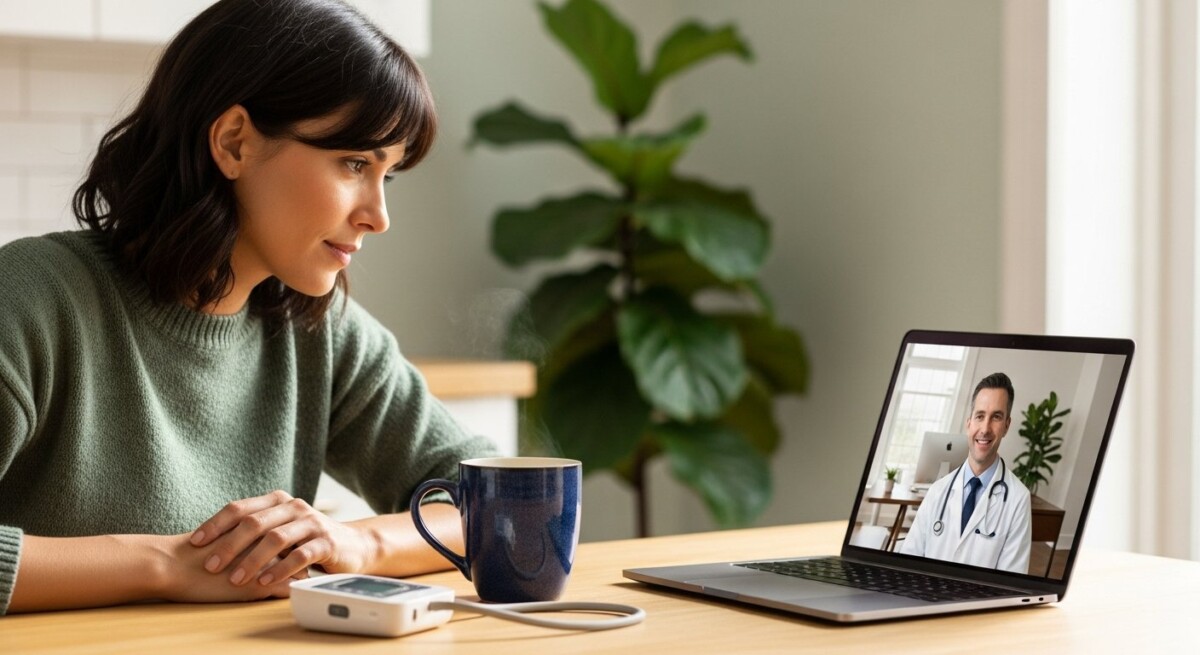
Imagine receiving expert medical care from the comfort of your living room, avoiding a crowded waiting room, and saving hours of your day. This is the new reality of healthcare, powered by the simple video call with a doctor. Once a niche service, telehealth has evolved into a mainstream, effective, and often preferred method for receiving a wide range of medical services. It represents a fundamental shift in how patients and providers connect, breaking down traditional barriers of distance, time, and access. This comprehensive guide explores how virtual consultations work, their profound benefits, the conditions they can treat, and how to prepare for a successful online appointment.
The Mechanics and Benefits of Virtual Medical Visits
A video call with a doctor, also known as a telehealth or telemedicine visit, is a real-time, audio-video consultation conducted over a secure digital platform. Patients use a smartphone, tablet, or computer with a camera and internet connection to speak directly with a licensed healthcare provider. The technology is designed to be simple and user-friendly, often requiring just a few clicks to join a virtual waiting room. These platforms are built with patient privacy in mind, complying with health information privacy laws (like HIPAA in the United States) to ensure your medical discussion remains confidential.
The advantages of this model are extensive and address some of the most persistent pain points in traditional healthcare. The most immediate benefit is unparalleled convenience. You eliminate travel time, waiting room delays, and the need to take significant time off work or arrange childcare. This convenience translates directly into increased access, especially for individuals in rural areas, those with mobility challenges, or people without reliable transportation. Furthermore, virtual visits can significantly reduce healthcare costs. Patients often save on copays, travel expenses, and lost wages, while the healthcare system benefits from reduced overhead and more efficient use of clinical resources.
To understand the scope of these benefits, consider the following key advantages:
- Expanded Access to Specialists: Geographic location is no longer a barrier to consulting with a leading specialist in another city or state.
- Reduced Exposure to Illness: By staying home, you avoid exposure to other contagious patients in a clinic waiting room, a critical feature for immunocompromised individuals.
- Enhanced Continuity of Care: Follow-up appointments become effortless, improving medication adherence and chronic disease management.
- Family Involvement: It is easier for family members or caregivers to join the consultation from different locations to support the patient.
- Streamlined Prescription Management: Providers can electronically send prescriptions to your preferred pharmacy during or immediately after the visit.
This model empowers patients, placing them at the center of their care journey. It fosters a more collaborative relationship with providers, as consultations often feel more focused and personal without the typical clinical rush.
What Can You Treat During a Video Consultation?
A common misconception is that telehealth is only for minor ailments like colds. In reality, the scope of care is remarkably broad. While it does not replace all in-person care (such as emergencies or hands-on procedures), it is suitable for a vast array of medical needs. The key is whether a provider can make an accurate assessment based on history, visual examination, and conversation. Many conditions are ideally suited for a first evaluation or ongoing management via video.
Common Acute and Chronic Conditions
For acute illnesses, a video call with a doctor is an excellent first step. This includes sinus infections, urinary tract infections (UTIs), pink eye, allergies, rashes, and flu-like symptoms. Providers can assess your symptoms, review your medical history, and determine if you need a prescription, over-the-counter remedies, or further in-person testing. For chronic disease management, telehealth has been revolutionary. Patients with conditions like diabetes, hypertension, asthma, and thyroid disorders can have regular check-ins to review symptoms, discuss lab results, and adjust medications without the burden of frequent office visits. This consistent, convenient contact leads to better health outcomes and early intervention.
Mental Health and Behavioral Services
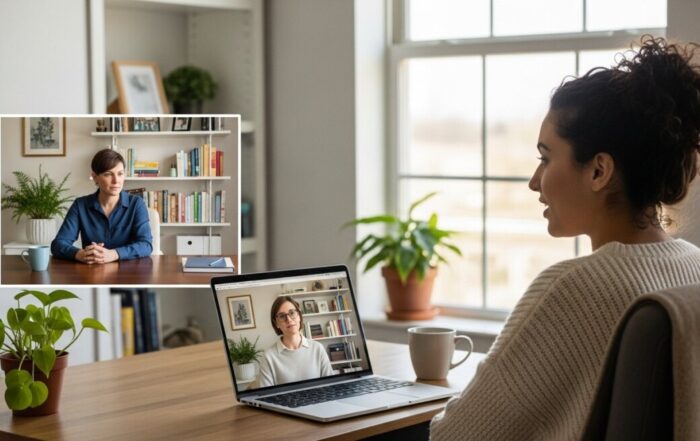
Perhaps one of the most transformative applications of video calls is in mental healthcare. Online therapy and psychiatry sessions have dramatically increased access to care, reducing the stigma and logistical hurdles that often prevent people from seeking help. Patients can have confidential sessions with therapists, psychologists, and psychiatrists for issues like anxiety, depression, stress management, and relationship counseling. The comfort and privacy of one’s own home can make it easier to open up, and the ease of scheduling encourages consistent attendance, which is crucial for effective treatment.
Specialist Consultations and Second Opinions
Specialists in dermatology, endocrinology, gastroenterology, and neurology frequently use telehealth for follow-up visits and certain initial consultations. For example, a dermatologist can often assess moles, rashes, acne, or psoriasis via high-quality video. Patients seeking a second opinion on a complex diagnosis can efficiently consult with an expert across the country, sharing records and images digitally before the call. This saves tremendous time, money, and emotional energy during stressful medical decisions.
Preparing for a Successful Virtual Doctor’s Appointment
To get the most out of your video call with a doctor, preparation is essential. A little forethought ensures the visit is efficient, thorough, and valuable for both you and the provider. Start by treating the appointment with the same seriousness as an in-person visit. Find a quiet, private, and well-lit room where you will not be interrupted. Position your device so your face is clearly visible, with light in front of you, not behind you. Test your technology beforehand: ensure your device is charged, your internet connection is stable, your camera and microphone work, and you know how to join the video platform. Most services will send a link via email or text; click it a few minutes early to troubleshoot any last-minute software updates or permission requests.
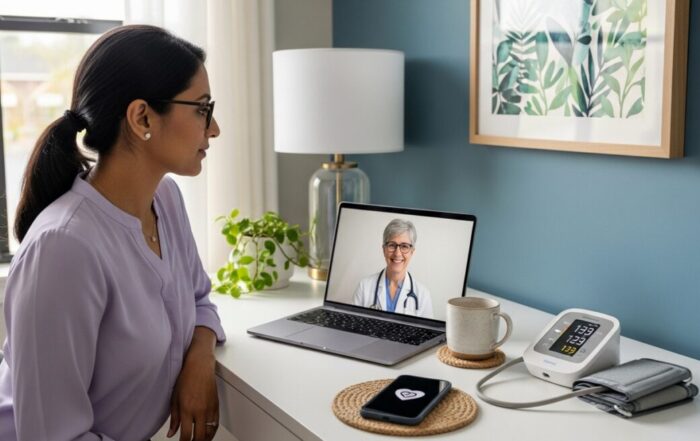
Just as you would bring a list of questions to a physical office, have your notes ready. Write down your primary symptoms, including when they started, their severity, and anything that makes them better or worse. Prepare a concise list of your current medications, including dosages, and any known allergies. Have your pharmacy’s name and address handy. It is also helpful to have a notepad or digital document open to jot down the doctor’s instructions, recommended next steps, or prescription details. If you have a home medical device like a thermometer, blood pressure cuff, or glucose monitor, keep it nearby in case the doctor asks for a reading.
During the call, speak clearly and describe your symptoms in detail. Do not minimize your concerns. The doctor relies on your narrative and what they can see. If relevant, you may be asked to gently move the camera closer to show a rash or an injury. Be honest about your health habits and medical history. After the call, make sure you understand the treatment plan: Do you need a prescription? Where will it be sent? Are there specific follow-up instructions or signs that should prompt an in-person visit? Saving the visit summary or after-visit notes provided by the platform is a good practice for your records.
Addressing Common Concerns and Limitations
Despite its many benefits, patients naturally have questions about the efficacy and appropriateness of virtual care. A primary concern is whether a diagnosis can be accurate without a physical exam. Reputable providers are trained to conduct a visual assessment and take a detailed history, which forms the basis of most diagnoses. They will clearly state the limits of the virtual exam and will not hesitate to recommend an in-person visit if they suspect a condition that requires palpation, listening to heart/lungs with a stethoscope, or other hands-on evaluation. Their primary goal is patient safety, and they operate under the same standard of care as in an office.
Privacy and security are other valid concerns. Legitimate telehealth platforms use encrypted, HIPAA-compliant software designed specifically for healthcare, not general-purpose video chat apps. You should verify that your provider’s service meets these standards. Insurance coverage for telehealth has expanded dramatically, especially since 2020. Most major insurers now cover video visits similarly to office visits, but it is always prudent to check with your insurance provider beforehand about copays and coverage specifics. Many services also offer transparent self-pay rates for those without coverage or with high deductibles.
It is crucial to recognize when a video call is not appropriate. Seek immediate in-person emergency care or call emergency services for symptoms like chest pain, severe shortness of breath, stroke symptoms (face drooping, arm weakness, speech difficulty), major trauma, severe bleeding, or any other life-threatening condition. Telehealth is a powerful tool for non-emergent care and chronic management, not a substitute for emergency medicine.
Frequently Asked Questions About Video Calls With Doctors
Can I get a prescription from a video call with a doctor? Yes, if the provider determines it is medically appropriate based on the consultation. They can electronically send prescriptions for a wide range of medications to your pharmacy. Controlled substances have stricter regulations and may not be prescribed via telehealth in all cases or may require a specific type of visit.
How much does a telehealth visit cost? Costs vary. If covered by insurance, you typically pay a copay similar to an office visit. Many telehealth platforms also offer affordable flat-rate fees for self-pay patients, often ranging from $50 to $100 per visit, which can be less than an uninsured office visit.
What equipment do I need? You need a smartphone, tablet, or computer with a front-facing camera, a microphone, speakers (or headphones), and a reliable high-speed internet connection. No special medical equipment is usually required.
Are telehealth doctors real, licensed doctors? Absolutely. Reputable services employ fully licensed, board-certified physicians, nurse practitioners, and physician assistants who are credentialed to practice in your state. You can and should verify their credentials, which are often listed on the platform.
Can I use telehealth for my child? Yes, pediatric telehealth is widely available. A parent or guardian must typically be present during the consultation to provide history and consent for treatment.
What if I have technical difficulties during the call? Most platforms have patient support help lines. If the video fails, the provider will often call you by phone to complete the visit, ensuring you still receive care.
The integration of video calls into standard medical practice is more than a temporary trend, it is a permanent and positive evolution in healthcare delivery. By offering a blend of convenience, accessibility, and quality, virtual visits empower patients to take a more active role in their health. They complement traditional care, creating a more flexible and responsive system. As technology continues to advance and acceptance grows, the video call with a doctor will undoubtedly become an even more seamless and integral part of maintaining wellness and managing health conditions for millions of people worldwide.
About the Author: Robert Hayes



Sign up for our newsletter and Save 20% on Test Kits
"*" indicates required fields