

How a Home Liver Function Test Works and What It Tells You
How a Home Liver Function Test Works and What It Tells You
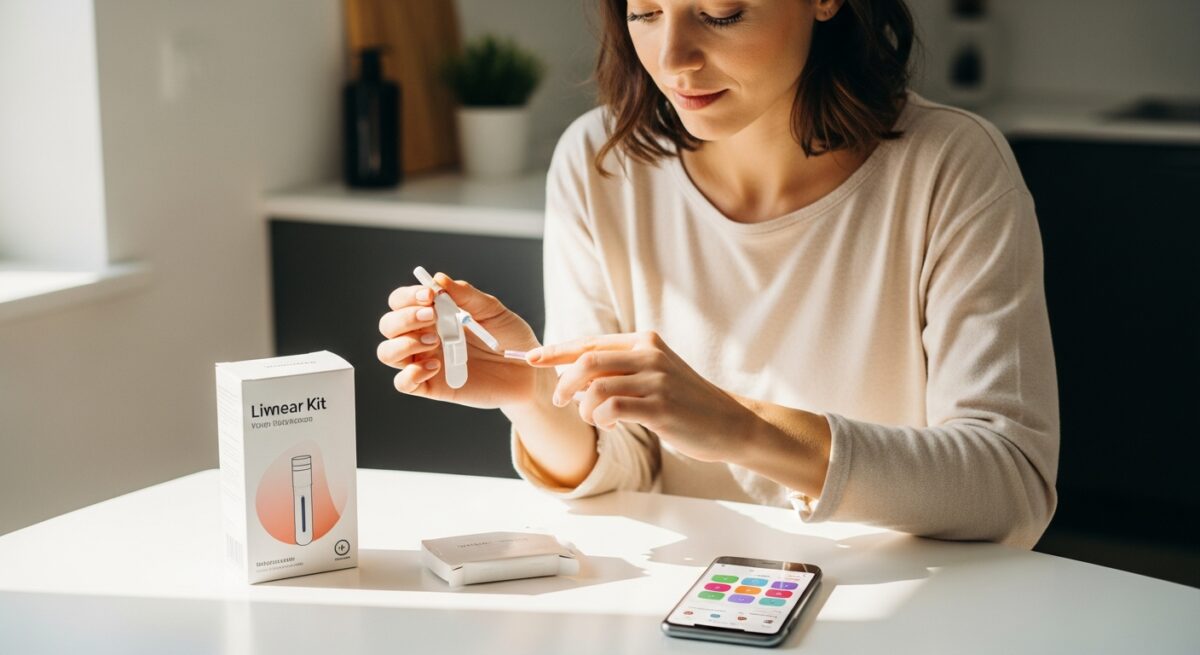
For decades, understanding the health of your liver required a trip to a clinic, a blood draw, and a wait for results. Today, the landscape of proactive health management has fundamentally shifted. The ability to check liver function at home is not science fiction, it’s a tangible reality that empowers individuals to take a more active role in their wellness. This innovation bridges the gap between concern and clarity, offering a convenient first step in monitoring a vital organ responsible for over 500 essential functions, from filtering toxins to producing proteins and regulating metabolism. But how does a home liver test actually function from kit to results, and what can you truly learn from it? Understanding the process, its capabilities, and its appropriate place in your healthcare journey is key to using this tool effectively.
The Science Behind Liver Function Testing
To comprehend how a home test works, you must first understand what it measures. The liver, when stressed or damaged by factors like certain medications, viral infections, alcohol, or metabolic conditions, releases specific enzymes and proteins into the bloodstream. A liver function test (LFT) panel is designed to detect these markers. Traditional lab tests analyze a venous blood sample, but home tests have adapted this science for capillary blood, typically from a finger prick. The core biomarkers remain consistent. Key enzymes include Alanine Transaminase (ALT) and Aspartate Transaminase (AST), which are released when liver cells are injured. Alkaline Phosphatase (ALP) can indicate bile duct issues, while Gamma-Glutamyl Transferase (GGT) is sensitive to alcohol-related liver changes. The test also often measures bilirubin, a waste product the liver processes, and proteins like albumin, which the liver produces. An elevation in these markers doesn’t diagnose a specific disease, but it serves as a crucial alert that further investigation is warranted. It’s a screening tool, a canary in the coal mine for hepatic health.
A Step-by-Step Guide to the At-Home Testing Process
The process of completing a home liver function test is designed for simplicity and safety, mirroring the clinical standards in a user-friendly format. It typically involves three distinct phases: collection, submission, and analysis. First, you receive a certified testing kit delivered discreetly to your door. Inside, you’ll find sterile, single-use lancets for a nearly painless finger prick, collection tubes or cards, antiseptic wipes, and detailed instructions. The collection must be done following specific pre-test guidelines, often requiring fasting for 8-12 hours to ensure accuracy, similar to a lab test. After collecting a few drops of blood, you safely package the sample in a prepaid return mailer and send it to a CLIA-certified partner laboratory. This is a critical point: reputable home test providers do not analyze samples in-house, they partner with the same high-complexity labs used by hospitals and clinics. At the lab, trained technicians process your sample using automated analyzers, the same equipment used for samples drawn in a doctor’s office. The results are then compiled into a detailed, digital report that is delivered to you through a secure online portal, often within a few days.
The steps involved are straightforward but require careful attention:
- Order and Receive: Order your kit online from a trusted provider like Doctors Home and receive it in secure, discreet packaging.
- Prepare and Collect: Follow all pre-test instructions (e.g., fasting). Use the provided materials to perform a simple finger-prick blood collection.
- Return for Analysis: Securely package your sample in the included biohazard-safe mailer and return it to the designated lab.
- Review Digital Results: Access your confidential lab report via a secure patient portal, which details your levels for each biomarker.
- Seek Professional Insight: Use your results to inform a conversation with a healthcare professional for interpretation and next steps.
Interpreting Your Results and Next Steps
Receiving your digital report is where the real value of a home liver test is realized, but also where professional guidance becomes essential. Your report will list each biomarker, your measured level, and the laboratory’s standard reference range. It is crucial to understand that a result outside the reference range is not a diagnosis. Slightly elevated ALT or AST could be related to recent over-the-counter medication use, strenuous exercise, or even a passing infection. Consistently or significantly elevated levels, however, point to ongoing liver stress that requires medical attention. This is the core purpose of the home liver test: to provide objective data that catalyzes a informed dialogue with a healthcare provider. Armed with your results, you can schedule a telemedicine consultation, for instance, with a licensed professional at Doctors Home, who can review your numbers in the context of your medical history, lifestyle, and symptoms. They can help determine if the findings are likely benign or if they warrant further diagnostic steps, such as imaging or more comprehensive blood work. This model of care is proactive and patient-empowered, turning a vague concern into a data-driven healthcare conversation.
The Role of Home Testing in Modern Healthcare
Home liver function tests are a cornerstone of the growing hybrid care model, which blends traditional in-person medicine with digital and at-home tools. They address several critical gaps in modern healthcare. First, they increase access. For individuals in remote areas, with demanding schedules, or with mobility challenges, getting to a lab can be a significant barrier. A home test removes that obstacle. Second, they promote proactive monitoring. People managing conditions like type 2 diabetes, those on long-term medications that can affect the liver, or individuals making significant lifestyle changes (like reducing alcohol intake) can use these tests to track trends over time, providing tangible feedback. Third, they reduce the inertia of initiating care. Many people delay check-ups due to anxiety or inconvenience. A simple home test can be the low-commitment first step that leads to meaningful engagement with the healthcare system. It’s important to view these tests not as replacements for doctors, but as complementary tools that provide valuable data points. Just as you might use a home blood pressure cuff to manage hypertension between doctor visits, a home liver test offers a window into your hepatic health on your own terms.
Frequently Asked Questions
How accurate are home liver function tests?
When offered by a reputable provider using certified partner laboratories, home tests are highly accurate. They analyze your sample using the same standardized equipment and methods as any major hospital lab. Accuracy depends heavily on you following the collection instructions precisely, especially regarding fasting.
Can this test diagnose liver disease?
No. A home liver test is a screening tool, not a diagnostic one. It can detect biomarker levels suggestive of liver stress or injury, but a diagnosis requires a comprehensive evaluation by a healthcare professional, including a full medical history, physical exam, and potentially additional tests like imaging or a liver biopsy.
Who should consider taking a home liver test?
Individuals with risk factors such as a family history of liver disease, regular alcohol consumption, obesity, type 2 diabetes, or those taking medications known to affect the liver may benefit. It’s also useful for anyone seeking a baseline understanding of their health or monitoring the impact of lifestyle changes.
What if my results are abnormal?
Do not panic. First, consult with a healthcare provider. They will interpret the results in context. Mild elevations are common and may be temporary. Your provider can recommend lifestyle adjustments, repeat testing, or further investigation to determine the cause. The test’s value is in starting this important conversation.
How does this compare to other at-home tests?
The process is similar to other at-home health tests, such as cholesterol or metabolic panels. Each test is designed for a specific purpose. For example, if you are exploring digestive issues, you might consider an at home lactose intolerance test to rule out specific dietary causes, while a liver test focuses on metabolic and detoxification health.
The advent of reliable home liver function testing is a significant step toward democratized, patient-centered healthcare. It transforms the liver from an abstract, silent organ into one you can actively monitor. By understanding how a liver function test at home works, from the finger prick to the lab report, you can confidently use this tool as part of a broader strategy for maintaining your health. Remember, the ultimate goal is not to become your own diagnostician, but to become a more informed and proactive partner in your care, using convenient technology to bridge the gap between daily life and long-term wellness.
About the Author: Daniel Brooks



Sign up for our newsletter and Save 20% on Test Kits
"*" indicates required fields