

Home Thyroid Test Kits: How They Work and Accuracy Explained
Home Thyroid Test Kits: How They Work and Accuracy Explained
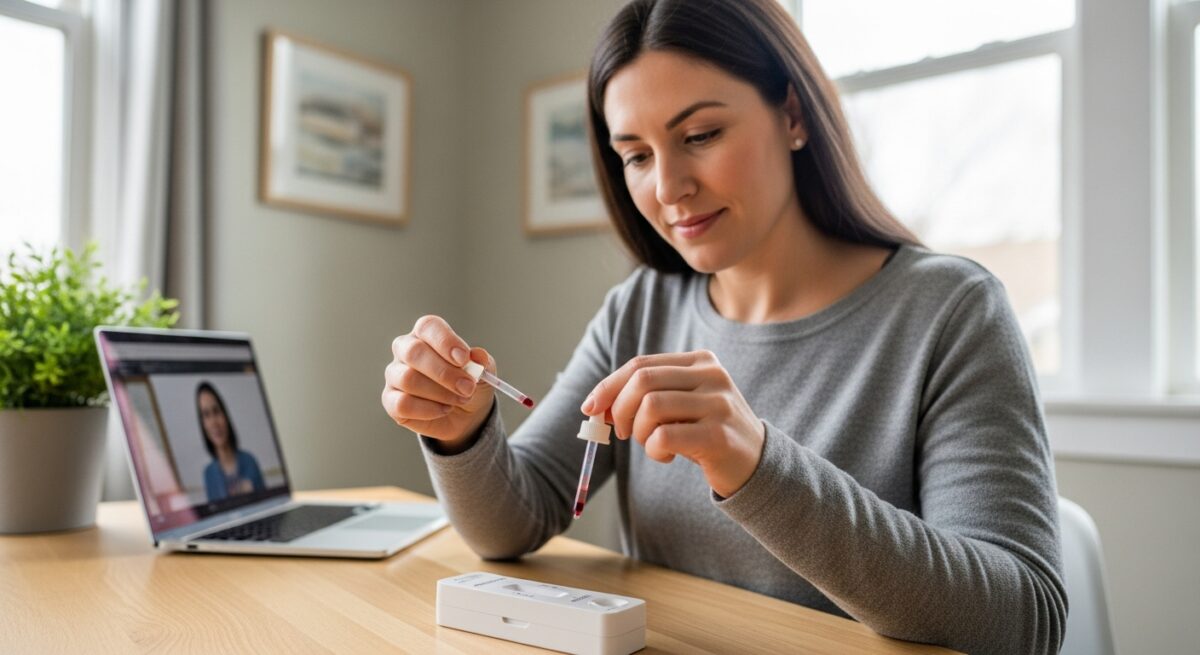
Feeling unusually tired, gaining weight without explanation, or struggling with brain fog? These common symptoms could point to a thyroid imbalance, a condition affecting millions. Traditionally, diagnosing thyroid issues required a doctor’s visit, a lab appointment, and a blood draw, a process that can be time-consuming and inconvenient. Today, the landscape of healthcare has shifted dramatically, allowing you to perform a thyroid check up at home with a simple kit delivered to your door. This innovation in digital health promises convenience and accessibility, but it naturally raises important questions about process and reliability. Understanding how an at-home thyroid test works and the factors influencing its accuracy is crucial for anyone considering this modern approach to monitoring their health.
What Is a Home Thyroid Test and What Does It Measure?
A home thyroid test is a self-collection kit designed to measure key hormones in your blood that regulate your thyroid gland’s function. The thyroid, a small butterfly-shaped gland in your neck, produces hormones that act as your body’s metabolic master switch, influencing everything from energy levels and heart rate to body temperature and weight. When this gland is underactive (hypothyroidism) or overactive (hyperthyroidism), it can cause a wide range of disruptive symptoms. The primary hormones measured in these tests are Thyroid Stimulating Hormone (TSH), Free T4 (thyroxine), and Free T3 (triiodothyronine). TSH is produced by the pituitary gland to stimulate the thyroid, so it’s often the most sensitive initial screening marker. An elevated TSH typically suggests an underactive thyroid, while a very low TSH can indicate an overactive one. Free T4 and Free T3 are the actual thyroid hormones circulating in your blood and available for your body to use. Some comprehensive kits may also include tests for thyroid antibodies, which can help diagnose autoimmune conditions like Hashimoto’s thyroiditis or Graves’ disease. By measuring these biomarkers, a home test provides a snapshot of your thyroid function, offering valuable initial data that can inform a conversation with a healthcare provider.
The Step-by-Step Process of Using an At-Home Thyroid Kit
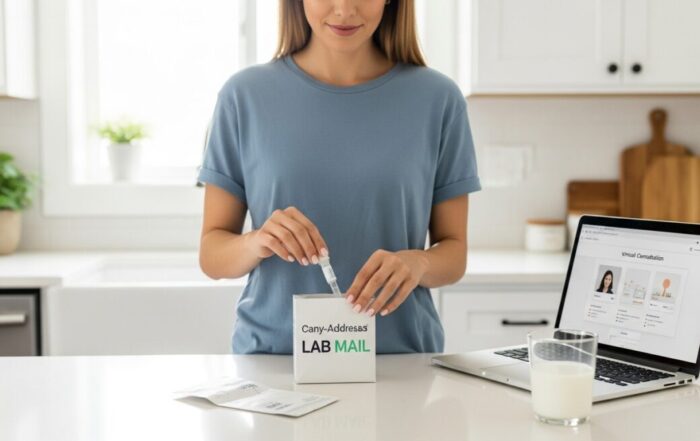
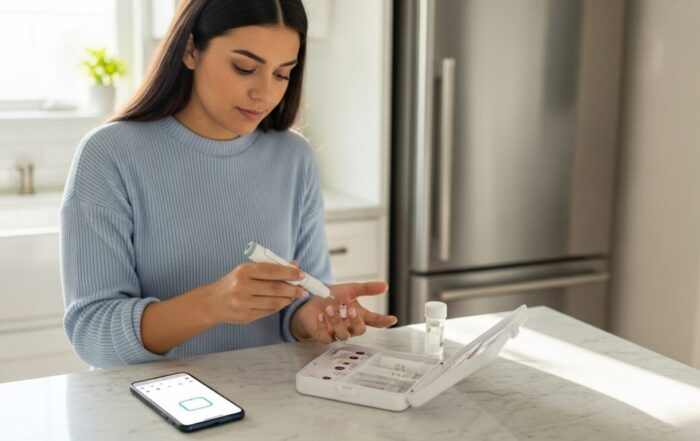
The process of completing a thyroid check up at home is designed to be straightforward, but following the instructions meticulously is key to obtaining a reliable sample. While specific steps can vary slightly by manufacturer, the general workflow is consistent across most reputable kits. First, you order a kit from a certified provider, such as a telemedicine platform like Doctors Home, which ensures the test is medically reviewed and connected to clinical oversight. The kit arrives discreetly with all necessary components: detailed instructions, a lancet for a finger prick, collection cards or tubes, a bandage, and a prepaid return envelope.
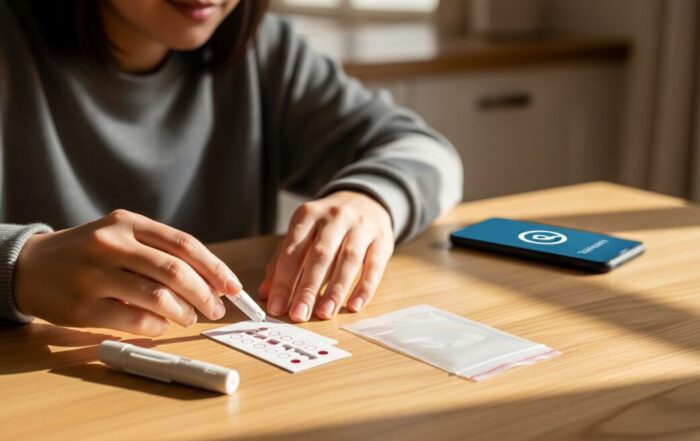
On the day of your test, it’s often recommended to collect your sample in the morning, as thyroid hormone levels can fluctuate throughout the day. You will wash and dry your hands thoroughly to ensure a clean sample site, then use the provided lancet to prick your fingertip. A small drop of blood is applied to the designated area on the collection card or tiny vial. The sample is then allowed to dry (if using a card) before being sealed in the biohazard bag. You place it in the return mailer and send it to the partner laboratory for analysis. Within a matter of days, you typically receive a digital report detailing your levels, often with reference ranges and explanations. For those seeking clarity on the various kit formats and collection methods available, our guide on understanding your at home thyroid test kit options provides a detailed comparison to help you choose.
Pre-Test Considerations for Optimal Accuracy
To ensure your results are as accurate as possible, certain pre-test considerations are important. Some medications and supplements can interfere with thyroid test results. Biotin, a common supplement in B-complex vitamins and hair/nail formulas, is a well-known interferent that can cause falsely low TSH and falsely high T4/T3 readings. It is generally advised to stop taking biotin for at least 48 hours before collecting your sample. Always inform the testing service of any medications you are taking. Your physical state matters too, try to be well-hydrated before the test, as dehydration can make drawing an adequate blood sample more difficult. While fasting is not always required for thyroid panels, following the specific instructions provided with your kit is non-negotiable. If you are acutely ill or under extreme stress, it may be wise to postpone testing, as these conditions can temporarily alter thyroid hormone levels.
Evaluating the Accuracy of At-Home Thyroid Tests
The central question for anyone considering this route is: How accurate are these tests? The accuracy of a home thyroid test hinges primarily on two factors: the quality of the sample you provide and the laboratory that processes it. Reputable services use the same gold-standard testing methodologies (like CLIA-certified labs) that traditional doctor-ordered labs use. The analytical machines measuring your hormones are identical. Therefore, if the sample is collected correctly and arrives at the lab in good condition, the actual lab analysis should be highly accurate and comparable to a venous draw from your arm.
The potential variance enters at the collection stage. A finger-prick capillary sample is different from venous blood. Proper technique is essential to avoid issues like hemolysis (breaking of red blood cells) or insufficient sample volume, which can compromise results. Furthermore, some studies suggest that certain analyte levels can show slight variations between capillary and venous blood. This is why the clinical interpretation is vital. A reliable service will not just give you raw numbers, they will provide clear reference ranges and flag any abnormal results, strongly recommending follow-up with a healthcare professional. The accuracy is sufficient for screening and monitoring trends, but any abnormal result should be confirmed and discussed in the context of a full clinical evaluation by a doctor who can consider your symptoms and medical history.
Benefits and Limitations of Checking Your Thyroid at Home
Choosing to check thyroid at home offers several compelling advantages that align with modern needs for accessible healthcare. The foremost benefit is profound convenience. You can order the test, collect the sample, and receive results without taking time off work, arranging transportation, or sitting in a waiting room. This is particularly valuable for individuals in remote areas, those with mobility challenges, or people with hectic schedules. It also empowers proactive health management, allowing you to take an initial screening step if you have a family history of thyroid disease or are experiencing potential symptoms. The process is private and can reduce the anxiety some feel about clinical settings. For monitoring a known, stable condition, it can be a convenient tool for tracking levels between regular doctor visits, though this should always be done under a physician’s guidance.
However, understanding the limitations is equally important for setting realistic expectations. A home test is a snapshot of biomarkers, not a diagnosis. It cannot replace the comprehensive judgment of a licensed medical provider who can perform a physical exam (like feeling your thyroid gland for enlargement), assess your full symptom profile, and order additional tests if needed. There is also a risk of misinterpretation. Without clinical context, you might unnecessarily worry about a borderline value or overlook a significant result. Furthermore, these tests typically screen for the most common thyroid issues but may not be exhaustive for every possible thyroid disorder. They are a powerful starting point or monitoring tool, not a self-contained endpoint for medical care.
From Results to Action: The Vital Role of Clinical Review
This is the most critical component of the at-home testing ecosystem, and where services like Doctors Home add essential value. Receiving your digital report is not the final step, it should be the beginning of a informed healthcare dialogue. A legitimate service will include a review of your results by a licensed physician or nurse practitioner. This professional can interpret the numbers in a medical context, provide preliminary insights, and determine if your results warrant further action, such as a prescription for medication or a recommendation for additional testing.
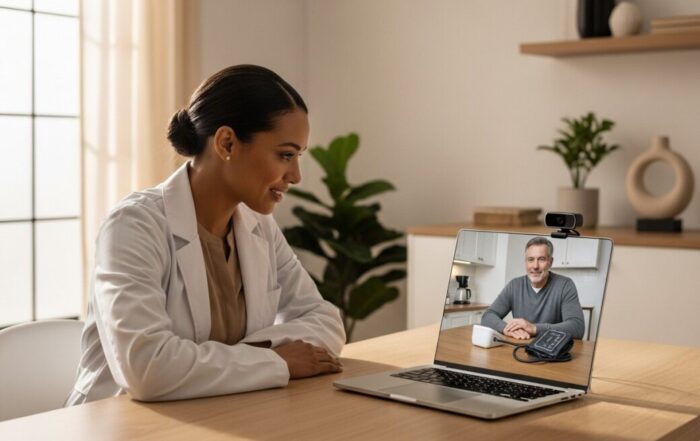
If your results are abnormal, the next step is a comprehensive consultation. Through a telemedicine platform, you can quickly schedule a virtual visit to discuss your results in detail. The provider will ask about your symptoms, review your medical history, and explain what your specific hormone levels mean. They can then develop a personalized management plan, which may include lifestyle recommendations, a prescription for thyroid medication (like levothyroxine), or a referral for an in-person evaluation or ultrasound if needed. This integrated model, where testing is seamlessly connected to clinical care, ensures that the convenience of a home test translates into responsible, actionable health outcomes. It closes the loop, transforming data into a diagnosable and treatable health plan under proper medical supervision.
Frequently Asked Questions About Home Thyroid Tests
How often should I test my thyroid at home?
For screening purposes when you have symptoms, once is sufficient to establish a baseline. For monitoring a diagnosed condition, the frequency should be determined by your treating physician, typically every 6 to 12 months once stable, or more often when adjusting medication.
Can I use a home test to adjust my thyroid medication dose?
No. You should never adjust your thyroid medication dosage based solely on a home test result. Any dosage change must be discussed and approved by your prescribing healthcare provider after a comprehensive review of your results, symptoms, and clinical status.
Are home thyroid tests covered by insurance?
Coverage varies widely by insurance plan. Most at-home direct-to-consumer kits are paid for out-of-pocket. However, if a test is ordered as part of a telemedicine consultation through a platform like Doctors Home, it may be eligible for reimbursement under your plan’s telehealth benefits, or you can use FSA/HSA funds. Always check with your insurer first.
What is the difference between a saliva and a blood finger-prick thyroid test?
Blood-based finger-prick tests are the standard for thyroid testing, measuring TSH, T4, and T3 hormones directly in the blood. Saliva tests claim to measure free hormones but are not considered clinically reliable or standardized for diagnosing thyroid disorders by major endocrinology associations. A blood-based test is the recommended choice.
How long does it take to get results?
After the lab receives your sample, results are typically available within 2 to 5 business days. You are usually notified via email or a secure patient portal when your report is ready for review.
The ability to conduct a thyroid test at home represents a significant advancement in patient-centered, accessible healthcare. By demystifying how these tests work and providing a clear-eyed view of their accuracy and limitations, you can make an informed decision about incorporating them into your health strategy. They offer an unparalleled combination of convenience and actionable data, serving as a highly effective bridge to professional care. Ultimately, the greatest strength of a home thyroid check is not in replacing the doctor, but in efficiently connecting you to one, empowering you to take a proactive, informed role in managing your thyroid health with the support of licensed medical professionals.
About the Author: Robert Hayes

Sign up for our newsletter and Save 20% on Test Kits
"*" indicates required fields