

Home Kidney Test Kits: Methods, Accuracy, and Next Steps
Home Kidney Test Kits: Methods, Accuracy, and Next Steps
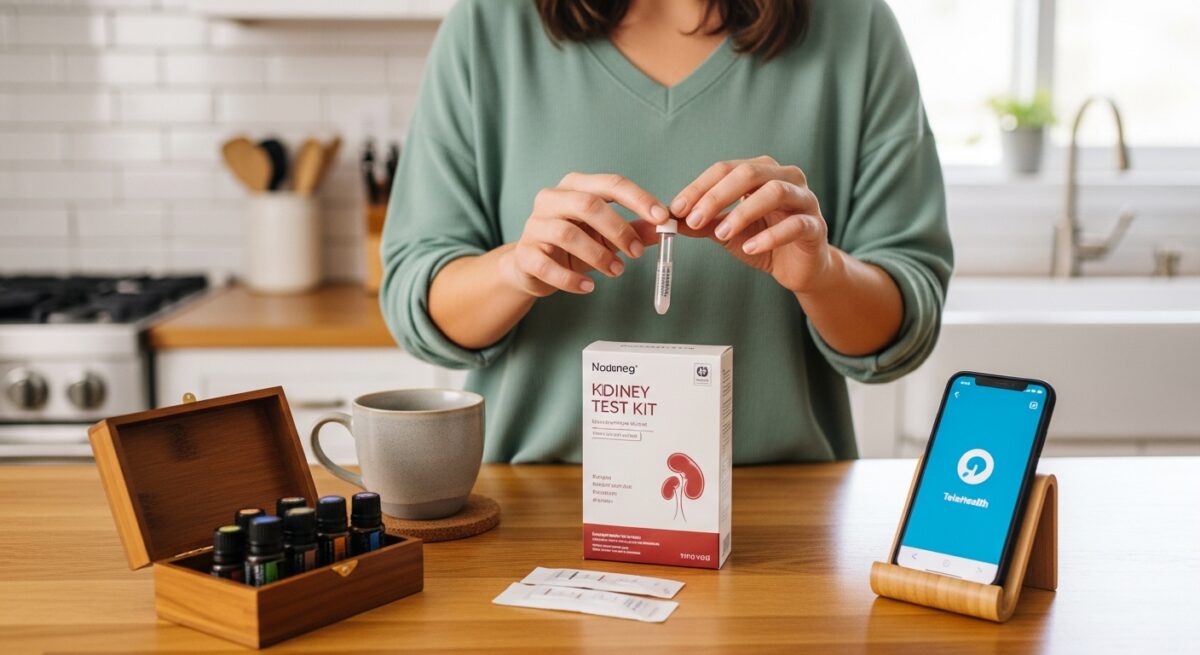
Monitoring your kidney health has traditionally meant scheduling a doctor’s appointment, traveling to a lab, and waiting for results. For individuals managing chronic conditions, those at increased risk, or anyone simply proactive about their wellness, this process can be a significant barrier to consistent care. The emergence of home kidney test kits promises a new level of convenience, allowing you to collect samples in private and gain insights into your renal function. But how reliable are these tests, and what can they truly tell you? Understanding the methods behind home kidney testing, their accuracy compared to lab tests, and the critical role of professional medical interpretation is essential for using these tools safely and effectively as part of a modern healthcare strategy.
Understanding Kidney Function and Key Biomarkers
Your kidneys are sophisticated filtration systems, removing waste products and excess fluid from your blood while balancing essential electrolytes. When kidney function declines, waste products accumulate, which can lead to serious health complications. Several key biomarkers in blood and urine provide a window into this function. The most common indicators are creatinine, a waste product from muscle metabolism, and the estimated Glomerular Filtration Rate (eGFR), which is calculated using your creatinine level along with factors like age and sex. Another crucial protein is albumin. Healthy kidneys keep albumin, a large protein, in the bloodstream. When filters are damaged, albumin leaks into the urine, a condition known as albuminuria or proteinuria. Home kidney test kits are designed to detect these specific substances, offering a preliminary check that can signal when a deeper investigation with a healthcare provider is warranted.
Available Methods for At-Home Kidney Testing
The landscape of home kidney test kits primarily involves two sample types: urine and blood. Each method has distinct procedures and measures different aspects of kidney health. It is vital to follow the manufacturer’s instructions meticulously, as improper collection can compromise the results. The timing of the sample, how it is stored, and even your hydration level can influence the outcome. Most reputable kits will provide detailed guidance and all necessary collection materials.
Urine test strips, or dipsticks, are the most common and accessible form of home kidney testing. You simply urinate on a chemically treated strip or into a cup and dip the strip. After a short wait, you compare the color changes on the strip to a provided chart. These strips typically test for multiple parameters, including protein (albumin), blood (hemoglobin), and sometimes specific gravity (a measure of concentration). Some advanced home kits use a mail-in model for urine. You collect a sample, often a first-morning urine void, and send it to a certified laboratory for analysis. This method typically quantifies the albumin-to-creatinine ratio (ACR), which is a more precise and clinically accepted measure of proteinuria than a simple dipstick.
For blood-based testing, the home kidney test kit market has expanded significantly. Finger-prick blood collection kits allow you to draw a small blood sample using a lancet, place drops on a special card or in a microtube, and mail it to a partner lab. The lab then analyzes the blood for creatinine to calculate an eGFR, and often includes other markers. Some comprehensive health testing services include kidney function panels as part of a broader suite of tests. The process for these is similar: a finger-prick or sometimes a small venous blood draw performed by a mobile phlebotomist at your home, with samples sent for centralized processing.
Evaluating the Accuracy of Home Kidney Tests
Accuracy is the paramount concern when considering any diagnostic tool used outside a clinical setting. The accuracy of a home kidney test kit depends heavily on the type of test, the quality of the manufacturer, and strict adherence to collection protocols. It is crucial to manage expectations: these are screening and monitoring tools, not definitive diagnostic instruments. A clinical lab test ordered by your doctor remains the gold standard.
Mail-in laboratory tests generally offer the highest accuracy among home testing options. Because your sample is analyzed in the same CLIA-certified labs that process doctor-ordered tests, the analytical accuracy is equivalent. The potential for error lies in the pre-analytical phase: the sample collection, stability during shipping, and timing. If you follow instructions perfectly, the numerical result for creatinine or ACR from a reputable mail-in kit can be very reliable. In contrast, visual urine dipsticks are more subjective and prone to user error. Interpreting color bands can be challenging, and results are usually semi-quantitative (e.g., trace, 1+, 2+) rather than providing a precise number. They are excellent for detecting the presence of an abnormality but less reliable for tracking subtle changes over time.
Several factors can skew the results of any home kidney test, leading to false positives or negatives. For urine tests, dehydration can concentrate your urine, making protein or blood appear higher than it truly is. Conversely, drinking excessive fluids can dilute your urine, potentially masking a problem. Vigorous exercise, a urinary tract infection, menstrual blood, or even a high-protein diet can temporarily affect strip results. For blood creatinine tests, a diet very high in cooked meat or significant muscle mass can elevate creatinine levels independently of kidney function. This underscores why professional interpretation is non-negotiable. A healthcare provider can contextualize your home test result within your overall health picture, medical history, and medication use.
From Home Test to Professional Care: The Critical Integration
This is the most important step in the process. A home kidney test kit provides a data point, not a diagnosis or a care plan. The true value of these tools is realized when they are integrated into a continuum of care with a licensed medical professional. This integration is the cornerstone of effective digital health management. If your home test indicates a potential issue, such as elevated protein or an eGFR outside the normal range, your next action must be to consult a doctor. They can order confirmatory tests, perform a physical exam, review your full medical history, and provide a formal diagnosis.
This is where platforms like Doctors Home create a seamless pathway from self-monitoring to professional medical advice. You are not left alone with a potentially alarming result. Instead, you can use a telemedicine service to quickly connect with a licensed healthcare provider. You can share your home test results during a virtual consultation, discuss your symptoms and concerns, and receive expert guidance on the necessary next steps. This might include ordering more comprehensive lab work, adjusting medications, or making lifestyle referrals. This model of hybrid care, combining convenient at-home testing with on-demand access to medical professionals, represents a powerful evolution in proactive kidney health management. It empowers patients to be engaged in their health while ensuring they remain safely under professional supervision.
Who Can Benefit from Home Kidney Testing?
Home kidney test kits are not necessary or recommended for everyone, but they serve as a valuable tool for specific at-risk populations and health-conscious individuals. Identifying if you fall into one of these groups can help you decide if this approach is right for you.
- Individuals with Chronic Conditions: People with diabetes or high blood pressure are at significantly increased risk for kidney disease. Regular monitoring between doctor’s visits can help track stability and catch changes early.
- Those with a Family History: A family history of kidney failure or polycystic kidney disease increases personal risk, making periodic screening a prudent preventive measure.
- People on Certain Medications: Long-term use of some medications, including non-steroidal anti-inflammatory drugs (NSAIDs) like ibuprofen or specific antibiotics, can affect kidney function. Monitoring can be part of a safety plan.
- The Proactive Wellness Advocate: Individuals focused on comprehensive health tracking may include kidney markers as part of their annual check-up routine, much like checking cholesterol levels.
- Patients in Stable Management: For someone with known, stable early-stage chronic kidney disease (CKD), home tests can provide reassurance and data points to share with their nephrologist between appointments.
It is equally important to recognize the limitations. Home test kits are not designed for diagnosing acute kidney injury, which is a sudden drop in function often due to illness, dehydration, or injury, and requires immediate emergency care. They are also not a substitute for the comprehensive evaluation needed if you have new, severe symptoms like dramatic swelling, unexplained fatigue, or changes in urination.
Frequently Asked Questions
Can a home kidney test kit diagnose kidney disease?
No. A home kidney test kit cannot diagnose any medical condition. It is a screening tool that can indicate potential abnormalities in kidney function markers. A formal diagnosis of kidney disease requires a clinical evaluation by a healthcare provider, including a review of your history, a physical exam, and often repeated laboratory tests to confirm and stage the condition.
How often should I test my kidney function at home?
The frequency depends entirely on your individual health status and risk factors. For someone with diabetes, testing urine for albumin once or twice a year may be recommended. For a person monitoring a stable condition, it might be quarterly. There is no universal guideline for home testing. The best approach is to discuss an appropriate monitoring schedule with your doctor based on your personal health profile.
Are home test results accepted by my doctor?
Most doctors will welcome the information from a home test as a starting point for conversation, especially if it’s from a reputable, lab-analyzed mail-in kit. However, they will almost always order their own confirmatory tests through a clinical laboratory before making treatment decisions. Present your home results as part of your health history, not as a replacement for professional lab work.
What’s the difference between a urine strip and a mail-in test?
Urine strips provide a rapid, qualitative, or semi-quantitative result that you interpret visually. They are good for a quick check. Mail-in tests provide a quantitative, numerical result analyzed in a professional lab, offering higher accuracy and precision, which is more useful for tracking trends over time. The choice depends on your goal: initial screening versus precise monitoring.
My home test showed a possible problem. What should I do?
Do not panic, but do take it seriously. First, ensure you followed all instructions correctly and consider any possible interfering factors (like dehydration). You should promptly schedule an appointment with your primary care physician or use a telemedicine service to discuss the result. Have the specific results on hand. The provider will advise if you need repeat testing, additional blood work, or a referral to a specialist.
The advent of home kidney test kits represents a significant step forward in personalized, accessible health monitoring. They demystify the process of checking kidney function and empower individuals to take an active role in their renal health. By understanding the methods, from simple dipsticks to sophisticated mail-in lab analyses, and respecting their accuracy limitations, you can use these tools wisely. Remember, their greatest power is unlocked when used as a component of a broader healthcare strategy. A home test is the first word in a conversation about your health, not the last. By pairing convenient self-testing with the expert guidance available through telemedicine platforms, you can build a more responsive, informed, and proactive approach to maintaining your kidney health for the long term.
About the Author: Robert Hayes




Sign up for our newsletter and Save 20% on Test Kits
"*" indicates required fields