

Home Heart Health Monitoring: Tests and Tools You Can Use
Home Heart Health Monitoring: Tests and Tools You Can Use
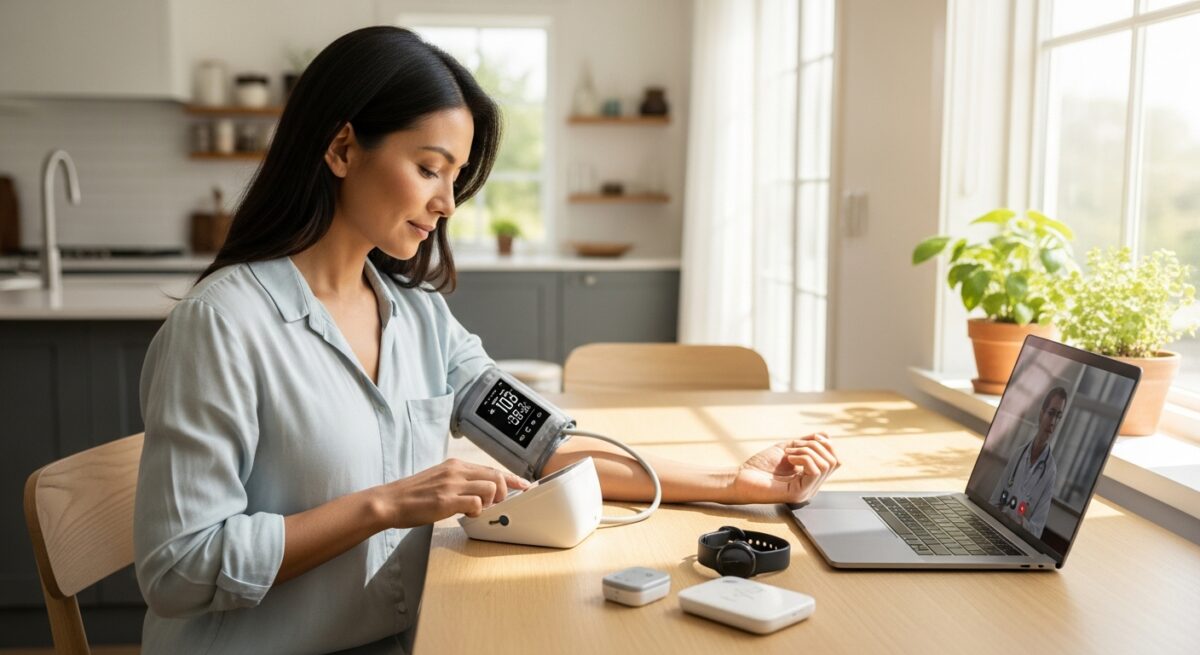
Your heart’s health is the steady rhythm of your life, and waiting for an annual checkup to listen in is no longer the only option. With advancements in digital health technology, proactive individuals now have an unprecedented ability to monitor key cardiac metrics from the comfort of their living room. This shift towards personal health empowerment allows for early detection of potential issues, better management of chronic conditions, and more informed conversations with your doctor. Understanding how to conduct a meaningful heart test at home and interpret the data is a powerful step in taking control of your cardiovascular well-being. This guide will walk you through the legitimate tools, methods, and practices for effective at-home heart monitoring, connecting you to the broader ecosystem of remote healthcare.
The Foundation of At-Home Heart Monitoring
Before diving into devices and tests, it’s crucial to establish what at-home heart monitoring can and cannot do. It is a tool for tracking, screening, and managing, not a substitute for professional diagnosis. The core value lies in establishing baselines, noticing trends over time, and identifying deviations that warrant a professional consultation. A successful home monitoring regimen starts with knowing which vital signs are accessible and meaningful to track. The most common and valuable metrics include heart rate (both resting and active), blood pressure, and, with more advanced consumer devices, electrocardiogram (ECG) readings. Consistency is the golden rule: sporadic checks provide limited insight, while regular, methodical tracking creates a valuable health narrative.
Setting up for success involves more than just buying a gadget. Create a dedicated log, whether digital or on paper, to record your readings alongside context like the time of day, activity level, medication intake, and even stress levels. This context transforms raw numbers into actionable information. For instance, a slightly elevated blood pressure reading after a stressful work call has a different implication than the same reading taken first thing in the morning after rest. By integrating home monitoring into your routine, you become an active participant in your health journey, equipped with data that makes telemedicine consultations, like those offered by Doctors Home, far more productive and personalized.
Essential Tools for Your Home Cardiac Toolkit
The market is flooded with health devices, but only a select few are clinically validated for heart health monitoring. Investing in the right tools ensures the data you collect is reliable. The cornerstone for most people is a validated, automatic upper-arm blood pressure monitor. Look for devices that are FDA-cleared or carry similar regulatory approvals in your region. Wrist monitors can be convenient but are often less accurate if not positioned perfectly. Pair this with a simple pulse oximeter, which measures blood oxygen saturation and pulse rate, a useful duo for general wellness checks.
For more detailed electrical activity tracking, personal ECG devices have entered the consumer space. These include handheld single-lead devices and smartwatches with FDA-cleared ECG apps. They can detect atrial fibrillation (AFib) and other rhythm irregularities. It’s important to understand their limitations: they typically use a single lead (unlike the 12-lead ECG in a clinic) and are designed for spot checks, not continuous monitoring unless specified. Other valuable tools include smart scales that measure body composition (since weight and visceral fat are cardiac risk factors) and fitness trackers that provide continuous heart rate data and heart rate variability (HRV) insights, a marker of nervous system balance and recovery.
To use these tools effectively, follow these best practices:
- Calibrate and validate your device initially against a reading at your doctor’s office.
- Take readings at consistent times, such as morning and evening, while seated and relaxed.
- Ensure proper cuff size and placement for blood pressure monitors.
- Keep your devices charged and calibrated according to manufacturer instructions.
- Share your recorded data logs directly with your healthcare provider during virtual check-ins.
Key Metrics to Track and Interpret
Knowing what to track is half the battle; understanding what the numbers mean is the other. Let’s break down the primary metrics you’ll encounter with an at home heart test.
Resting Heart Rate (RHR): Measured when you are fully at rest, a lower RHR (generally 60-100 bpm for adults, often lower for athletes) typically indicates more efficient heart function. A sudden, unexplained increase in your baseline RHR can sometimes signal illness, overtraining, or stress.
Blood Pressure (BP): This two-number reading (systolic/diastolic) is critical. Consistently elevated readings at home (typically above 130/80 mmHg) can indicate hypertension, a major silent risk factor for heart disease and stroke. Home monitoring is especially valuable for diagnosing “white coat hypertension,” where readings are high only in a clinical setting.
Heart Rhythm: Consumer ECG devices check for rhythm regularity. The most common finding is possible atrial fibrillation, an irregular and often rapid rhythm that increases stroke risk. These devices will provide a reading like “sinus rhythm” (normal) or “possible AFib,” which should always be followed up with a healthcare professional. The process for using an at-home test kit for other conditions, like understanding your body’s reactions to food, shares a similar principle of data collection for professional review, as detailed in our guide on how an at home lactose intolerance test works and what to expect.
Heart Rate Variability (HRV): While more advanced, HRV is a measure of the variation in time between each heartbeat. A higher HRV generally suggests better cardiovascular fitness and resilience to stress. Fitness trackers and some smartwatches now provide this metric, offering insight into your recovery and autonomic nervous system balance.
Building a Sustainable Monitoring Routine
Technology is useless without consistent practice. The goal is to integrate monitoring seamlessly into your life so it becomes a habit, not a chore. Start simple. If you’re new to this, begin by tracking just your resting heart rate and blood pressure three times a week at the same time. Use a reminder on your phone if needed. As this becomes routine, you can add more metrics or increase frequency based on your personal health goals or your doctor’s recommendations.
For individuals with diagnosed conditions like hypertension or atrial fibrillation, a more structured routine is essential. Your cardiologist or primary care provider may request daily or twice-daily logs. In this case, dedicated health apps that sync with your devices can automate much of the logging and even generate reports to email directly to your doctor’s office. This seamless data flow is a cornerstone of modern chronic disease management and enhances the value of virtual care platforms. By providing your doctor with weeks of home data, they can make more precise medication adjustments and lifestyle recommendations than they could based on a single office reading.
Remember, the purpose of the data is to inform action, not to create anxiety. Avoid the trap of “checking” obsessively throughout the day, which can itself raise blood pressure. Designate calm, quiet moments for measurement. Review your data weekly or monthly to look for trends, not to overanalyze every single fluctuation. This longitudinal view is where the true power of home monitoring lies.
When to Take Action and Consult a Professional
This is the most critical component of safe home monitoring: knowing the red flags. Home monitoring empowers you, but it does not replace clinical judgment. You should seek prompt medical advice if your home monitoring reveals any of the following:
- Consistently high blood pressure readings (e.g., systolic >180 or diastolic >120).
- Chest pain, pressure, or severe shortness of breath accompanying any reading.
- Multiple irregular rhythm notifications from an ECG device.
- A sudden, significant, and persistent change in your baseline resting heart rate.
- Dizziness, fainting, or a feeling of fluttering in your chest (palpitations).
In non-emergency situations, this is where a telemedicine service becomes incredibly valuable. With a platform like Doctors Home, you can quickly schedule a virtual consultation to review your logged data. You can share your screens or reports directly with the licensed provider. They can help interpret the trends, determine if the findings are concerning, and advise on the next steps, whether that’s lifestyle modification, further testing, or an in-person referral. This integrated approach, combining home data with professional telehealth access, creates a responsive and efficient healthcare loop.
Frequently Asked Questions
How accurate are home blood pressure monitors compared to doctor’s office equipment?
FDA-cleared automatic upper-arm monitors are highly accurate when used correctly. It’s recommended to bring your device to your next appointment to validate it against the clinical equipment. Proper cuff size and positioning are key to accuracy.
Can a smartwatch ECG really detect heart problems?
FDA-cleared smartwatch ECGs are validated to detect atrial fibrillation (AFib) and have proven useful in identifying this common arrhythmia. However, they cannot detect all heart problems, like heart attacks, and are not a replacement for a full medical evaluation.
How often should I do a heart test at home?
For general wellness, checking blood pressure and resting heart rate 1-3 times per week is sufficient. If you have a specific condition like hypertension, your doctor may recommend daily or twice-daily monitoring. Avoid excessive, anxiety-driven checking.
What is the most important metric for someone just starting out?
Blood pressure is arguably the most critical single metric to track at home, as hypertension is a major, often symptomless, risk factor. Pairing it with resting heart rate provides a strong foundational picture of your cardiovascular health.
Do I need a doctor’s order to use an at-home ECG device?
No, consumer-grade ECG devices are available over-the-counter. However, the results should be reviewed by a healthcare professional for proper interpretation and to determine if further action is needed.
Embracing home heart health monitoring is a proactive commitment to your long-term well-being. By selecting validated tools, establishing a consistent routine, and partnering the data you gather with professional telehealth guidance, you create a powerful, modern defense for your cardiovascular health. This approach puts you in the driver’s seat, equipped with knowledge and supported by accessible care, ready to maintain the vital rhythm of your life for years to come.
About the Author: Anthony Collins




Sign up for our newsletter and Save 20% on Test Kits
"*" indicates required fields