
Home Healthcare for Children With Special Needs: A Family Guide
Home Healthcare for Children With Special Needs: A Family Guide
For families raising a child with complex medical or developmental needs, the daily routine can feel overwhelming. Hospital visits, therapy appointments, and managing intricate care plans can consume every waking hour, leaving little room for normalcy, let alone joy. This is where a specialized model of support, managing pediatric special needs with home healthcare, transforms the landscape of care. By bringing skilled, compassionate care directly into the family home, this approach does more than just treat a condition, it supports the entire child and family unit in their most natural environment. It represents a shift from crisis management in clinical settings to proactive, integrated care that fosters development, stability, and a better quality of life for everyone involved.
The Core Benefits of Pediatric Home Health Care
Choosing home-based care for a child with special needs is a significant decision, and understanding its multifaceted benefits is crucial. The primary advantage is the profound sense of stability and security it provides. Children, especially those with sensory sensitivities or anxiety related to medical environments, thrive on routine and familiar surroundings. Receiving nursing care, therapies, and interventions at home reduces the stress associated with frequent travel and unfamiliar clinical settings, which can often lead to behavioral regressions or heightened anxiety. This consistent, low-stress environment is scientifically shown to improve outcomes, from better medication adherence to more effective therapeutic progress.
Furthermore, home healthcare empowers the entire family. It moves parents from feeling like isolated case managers to being supported, educated team leaders. Skilled nurses and therapists work alongside parents, teaching them techniques for daily care, symptom recognition, and emergency procedures. This hands-on education builds confidence and competence, reducing parental burnout and fear. The family home becomes the center of care, allowing siblings to be involved in a normalized way and helping to preserve crucial family bonds. The holistic focus extends beyond the child’s medical chart to encompass developmental goals, nutritional needs, and social integration, creating a truly personalized care plan.
Key Services and Specialized Care Team Roles
A robust pediatric home health program is built on a collaborative team of professionals, each addressing specific aspects of the child’s well-being. Understanding these roles helps families advocate for the comprehensive support their child requires.
Pediatric Registered Nurses (RNs) and Licensed Practical Nurses (LPNs) often form the backbone of medical care at home. They manage complex medical regimens, including administering medications, providing enteral (tube) feedings, performing tracheostomy care, managing ventilators, and monitoring vital signs. Their vigilant oversight is critical for children with conditions like severe epilepsy, congenital heart defects, or technological dependence. They also serve as the family’s primary clinical educator and liaison with the child’s physicians.
Pediatric therapists are equally vital. Physical Therapists (PTs) work on gross motor skills, strength, and mobility, which might involve exercises to help a child sit, stand, or walk. Occupational Therapists (OTs) focus on fine motor skills and activities of daily living (ADLs), such as feeding, dressing, and sensory integration techniques. Speech-Language Pathologists (SLPs) address communication challenges, whether through verbal speech, sign language, or augmentative and alternative communication (AAC) devices, and often work on swallowing safety (dysphagia). This therapeutic support is essential for maximizing a child’s independence and developmental potential.
To ensure these services are coordinated effectively, a clear framework for the care team is essential. Key members typically include:
- Pediatrician or Specialist Physician: Provides the overall medical diagnosis, treatment plan, and prescriptions.
- Registered Nurse (RN): Implements the clinical care plan, performs skilled nursing tasks, and provides family education.
- Physical, Occupational, and Speech Therapists: Deliver targeted therapies to achieve developmental and functional goals.
- Medical Social Worker: Assists with navigating insurance, accessing community resources, and providing emotional support to the family.
- Home Health Aide (HHA): Supports activities of daily living under the supervision of a nurse, such as bathing and grooming.
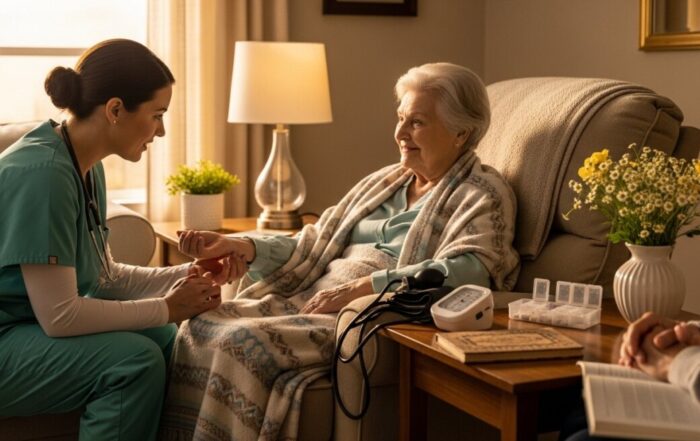
The parent or primary caregiver is the constant, central member of this team. Their insights into the child’s subtle cues and daily rhythms are invaluable data for the professionals. Regular care conferences involving all team members help align goals, troubleshoot challenges, and ensure everyone is working from the same, updated plan. This model of integrated, in-home care shares philosophical ground with approaches for other populations, such as the strategies outlined in our guide to managing chronic conditions for seniors at home, emphasizing personalized, environment-based care to optimize quality of life.
Navigating Insurance and Funding for Home Care
Securing funding for pediatric home healthcare is often one of the most daunting steps for families. Coverage primarily flows through medical insurance, both private and public. Understanding the language and requirements is key to successful advocacy. Most insurers require that the care be deemed “medically necessary” and “skilled.” This typically means a licensed professional (RN, PT, OT, SLP) must provide services that cannot be safely performed by an untrained family member. A doctor’s detailed prescription and a comprehensive plan of care are mandatory starting points.
Medicaid is a critical payer source for many children with special needs, often through waiver programs specifically designed to provide long-term supports and services in the home and community. These waivers, such as the 1915(c) Home and Community-Based Services (HCBS) waivers, can cover a broader range of supports than standard Medicaid, including respite care, personal care assistance, and home modifications. For families with private insurance, it is essential to meticulously review the policy’s home health benefits, including visit limits, copayments, and network requirements. Appealing denials is a common and necessary part of the process, and persistence, supported by detailed documentation from your child’s physicians, is often required.
Creating a Safe and Supportive Home Environment
Adapting the home is a practical necessity for safety and to facilitate care. This goes beyond basic childproofing. For a child with mobility challenges, it may involve installing ramps, widening doorways, or creating a wheelchair-accessible bathroom with roll-in showers and grab bars. For a child reliant on medical equipment, it requires ensuring adequate electrical outlets, backup power solutions for life-sustaining devices, and organized storage for supplies like catheters, feeding formula, and wound care materials. A dedicated “clean space” for medical procedures helps maintain hygiene and organization.
Equally important is creating spaces that support development and joy. Designate areas for therapy exercises that are free of clutter and hazards. Consider sensory-friendly zones with soft lighting, comfortable seating, and noise reduction for children who become easily overstimulated. The goal is to balance clinical needs with the essence of a home, a place for play, connection, and rest. Engaging siblings in making the home welcoming for their brother or sister can also foster understanding and family unity.
Building a Sustainable Family Caregiving Plan
The long-term journey of caring for a child with special needs requires a sustainable strategy to prevent caregiver fatigue, which is not a sign of weakness but a predictable outcome of constant demand. Respite care, provided by qualified home health aides or nurses to give primary caregivers a break, is not a luxury, it is a medical necessity for family health. Building a support network is also crucial. This includes connecting with other families on similar paths through support groups, both in-person and online, who can offer empathy and practical advice that only lived experience can provide.
Families must also prioritize their own well-being and planning. This involves scheduling regular check-ins with each other to communicate stresses and needs, seeking professional mental health support when needed, and ensuring legal and financial plans, such as special needs trusts and guardianship considerations, are in place. Remember, by caring for yourself, you are preserving your ability to provide the best possible care for your child. The journey is a marathon, not a sprint, and building a resilient support system is the foundation for enduring it successfully.
Managing pediatric special needs with home healthcare is a powerful, family-centered paradigm. It champions the idea that the best care often happens not within the sterile walls of an institution, but in the comforting, familiar space of home. By integrating skilled medical oversight with therapeutic development and unwavering family support, this model offers children with special needs the opportunity to reach their fullest potential while allowing their families to thrive alongside them, finding moments of normalcy, joy, and profound connection amidst the challenges.
About the Author: Kevin Ramirez



Sign up for our newsletter and Save 20% on Test Kits
"*" indicates required fields