

Home Blood Type Testing: Methods, Accuracy, and Safety
Home Blood Type Testing: Methods, Accuracy, and Safety
Knowing your blood type is a fundamental piece of personal health information, relevant for medical emergencies, surgical procedures, pregnancy planning, and even personal curiosity. While a laboratory test ordered by a physician remains the gold standard, the rise of direct-to-consumer health technology has made home blood group test at home methods more accessible than ever. This surge in availability prompts critical questions about the reliability of these DIY kits, their appropriate use cases, and how they fit into a modern, patient-centered healthcare model. Understanding the landscape of home blood group testing, from simple card-based assays to mail-in lab services, is essential for making an informed decision about whether this approach is right for you and how to interpret the results safely.
Understanding Blood Typing Fundamentals
Before evaluating home testing methods, it’s crucial to grasp what a blood type test actually measures. The ABO and Rh systems are the two primary classifications. The ABO system identifies the presence or absence of A and B antigens on the surface of red blood cells, resulting in four main types: A, B, AB, and O. The Rh system, often called the Rhesus factor, determines if the D antigen is present (Rh-positive) or absent (Rh-negative). A complete blood type is a combination of both, such as O-positive or AB-negative. This information is critical for safe blood transfusions and managing pregnancies to prevent Rh incompatibility, a serious condition where a mother’s immune system attacks her baby’s blood cells. The accuracy of any test, whether at home or in a clinic, hinges on its ability to correctly identify these antigens and antibodies.
Common Methods for Home Blood Type Testing
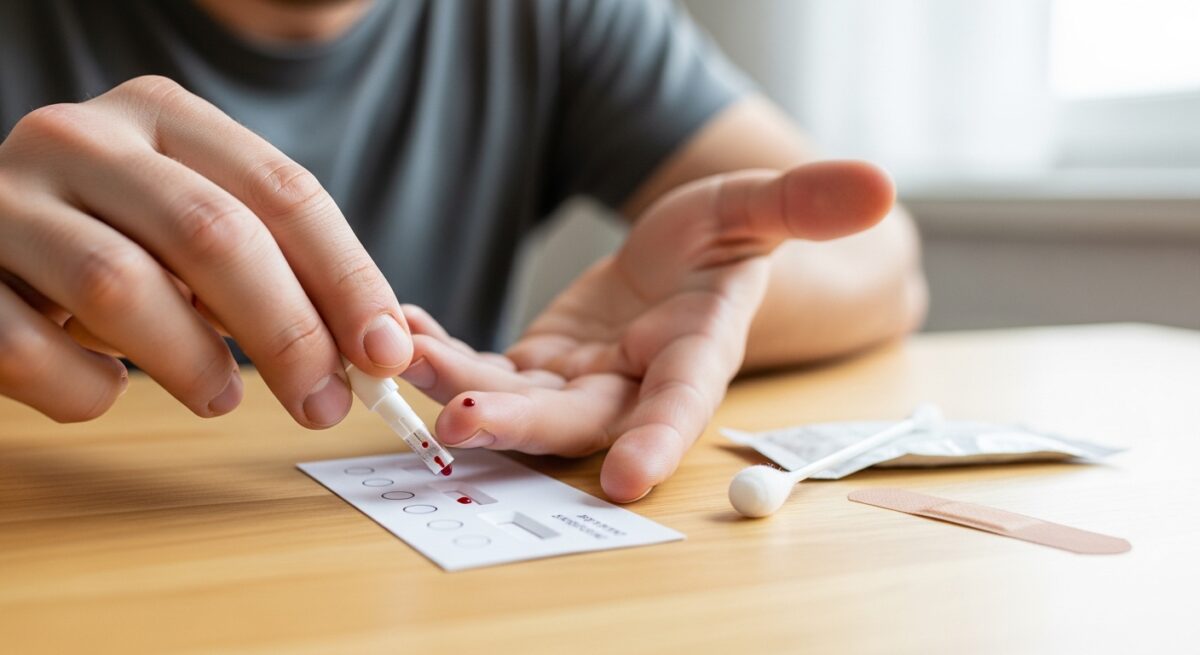
The market offers several distinct approaches to determining your blood group at home, each with its own procedure and underlying technology. The most basic and immediate method involves a rapid test kit, which typically contains a testing card with pre-applied antibodies, a lancet for a finger prick, and applicator sticks. A user pricks their finger, places small drops of blood on designated areas of the card, and mixes each with a different antibody solution. Clumping (agglutination) in specific areas indicates the presence of corresponding antigens, revealing the blood type. These kits promise results in minutes and are widely available online and in some pharmacies.
A second, increasingly popular method is the mail-in laboratory test. With this option, a user orders a kit online, collects a small blood sample via a finger prick into a provided micro-container or on a dried blood spot card, and mails it to a certified clinical laboratory for analysis. The lab uses professional-grade equipment, often similar to what hospitals use, to perform the typing. Results are delivered digitally via a secure portal or app within a few days. This method bridges the gap between a purely DIY test and a traditional lab visit, offering a higher degree of accuracy assurance through professional analysis. For those considering various forms of at-home diagnostics, understanding the laboratory process behind mail-in kits can provide valuable context, as detailed in our guide on at-home food allergy test accuracy and procedures.
It’s also worth noting the emergence of smartphone-integrated devices and apps that claim to analyze blood type. These are less common and their validity is highly variable. They often involve using the phone’s camera to analyze a test strip or a blood sample on a special slide. The reliability of these apps is not well-established in the medical community and should be approached with significant caution.
Evaluating the Accuracy of At-Home Kits
Accuracy is the paramount concern when it comes to any medical test, especially one with potential implications for emergency care. The reliability of a home blood group test varies dramatically based on the method used. Rapid test cards are generally considered to have a higher margin for error. User technique is a major factor: insufficient blood sample, improper mixing, or misreading the clumping patterns can all lead to an incorrect result. The shelf life and storage conditions of the kit can also affect the chemical reagents. While some manufacturers report high accuracy rates in controlled settings, real-world performance by untrained individuals may be lower.
In contrast, mail-in laboratory tests boast accuracy rates that closely rival traditional clinical tests, often cited at 99% or higher. This is because the actual analysis is performed by trained technicians in a controlled environment using calibrated equipment. The primary risk for error in this model shifts from the analysis itself to the sample collection and handling. If the sample is contaminated, insufficient, or degraded during transit, the lab may be unable to provide a result or could potentially generate an inaccurate one. Following the collection instructions meticulously is therefore critical.
For any critical medical decision, such as prior to a surgery or for prenatal care, a home test result should never be considered final. It must be confirmed by a test ordered and interpreted by a qualified healthcare provider. The consequences of an error, such as receiving an incompatible blood transfusion, are severe. A home test is best viewed as a tool for personal knowledge and curiosity, not for definitive medical diagnosis or action.
Step-by-Step Guide to Using a Home Test Kit Safely
If you choose to use a home blood type test kit, following a careful procedure is essential for both safety and result integrity. First, ensure you have all components: typically a test card, lancet, alcohol swab, sterile gauze, and applicators. Read the entire instruction manual before beginning. Create a clean, well-lit workspace and wash your hands thoroughly with soap and water.
- Clean your chosen fingertip (often the ring or middle finger) with the provided alcohol swab and allow it to air dry completely.
- Use the spring-loaded lancet to prick the side of your fingertip, not the pad, to minimize discomfort.
- Gently massage your finger to form a good-sized drop of blood. Avoid squeezing too hard, as this can dilute the blood with tissue fluid.
- Quickly and carefully apply the blood drops to the specified wells or circles on the test card using the applicator, ensuring you do not cross-contaminate the different antibody areas.
- Immediately use the clean end of the applicators to stir each blood sample with the pre-dried serum, as directed. Use a new stick for each area.
- Wait the exact amount of time specified in the instructions (usually 1-2 minutes) before reading the results. Look for visible clumping or grainy agglutination, which indicates a positive reaction.
- Apply firm pressure with the gauze to stop the bleeding and cover the puncture site with a bandage.
Dispose of all biohazardous materials, like the lancet, in a sharps container or a sturdy, puncture-proof household container like a detergent bottle. Do not throw loose lancets in the trash. Carefully compare your observed reactions to the interpretation guide provided. If the pattern is unclear, or if you suspect an error in the process, it is best to consider the test invalid rather than guess.
When to Choose a Professional Test Instead
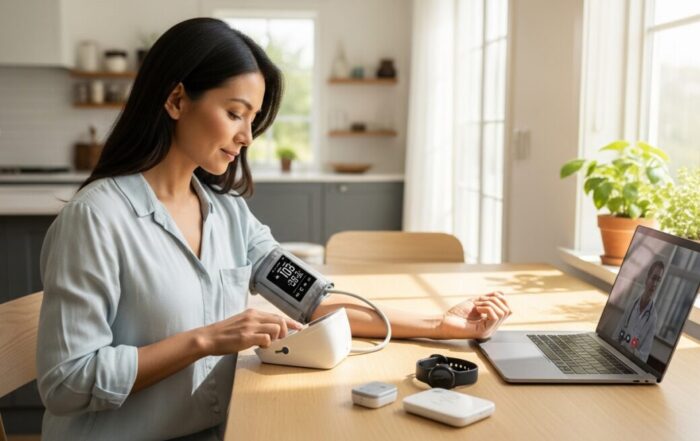
Despite the convenience of home testing, certain situations unequivocally require a professional laboratory test conducted through a healthcare provider. Any result that will be used for official medical records, such as before a surgical procedure, during pregnancy, or for a blood donor card, must come from an accredited lab. Furthermore, if you have a medical condition that affects blood composition or are taking certain medications like blood thinners, a home test may be unreliable or risky to perform. A professional test also typically includes a confirmatory reverse typing step, where the plasma is tested against known A and B cells, a quality control measure absent from most home kits. For individuals seeking the highest certainty and integration of their blood type into their formal health profile, consulting with a licensed professional via a telemedicine platform like Doctors Home can provide guidance on obtaining a clinically valid test and understanding its implications for your health.
Frequently Asked Questions
Can I use a home blood type test result for official purposes?
No. Home test results are for personal knowledge only. Hospitals, blood banks, and doctors will not accept a self-administered test for medical decisions. You will need a test performed by a certified laboratory and documented in your medical record.
How much does a home blood type test cost?
Rapid test card kits can range from $10 to $25. Mail-in laboratory kits are more expensive, typically ranging from $50 to $150, reflecting the professional analysis involved.
Are there any risks to testing at home?
The primary risks are minor infection at the finger-prick site if proper aseptic technique is not followed, and the significant risk of acting on an incorrect result. There is also the risk of improper disposal of biohazardous waste.
What is the most accurate type of home test?
Mail-in kits that utilize a professional clinical laboratory for the actual analysis are generally the most accurate home-based option, as they minimize user error in the interpretation phase.
If my parents know their blood types, can I calculate mine?
You can predict probable blood types based on parental types, but you cannot determine your type with certainty through calculation alone due to genetic variations. Only a physical test can provide a definitive answer.
The ability to perform a blood group test at home represents a fascinating intersection of consumer empowerment and healthcare. While the methods available offer a convenient path to personal knowledge, their accuracy is not infallible and their application has firm boundaries. For non-critical, curious purposes, a carefully executed home test can be informative. However, for any health-related decision, the guidance of a healthcare professional and the confirmation of a clinical laboratory remain indispensable. As telemedicine and digital health services evolve, they offer a streamlined pathway to obtain accurate, official blood typing and integrate that knowledge into your overall care plan, ensuring that this vital piece of information is both accessible and reliably documented.
About the Author: Matthew Sullivan




Sign up for our newsletter and Save 20% on Test Kits
"*" indicates required fields