

Home Allergy Testing Kits: What You Should Know Before You Buy
Home Allergy Testing Kits: What You Should Know Before You Buy
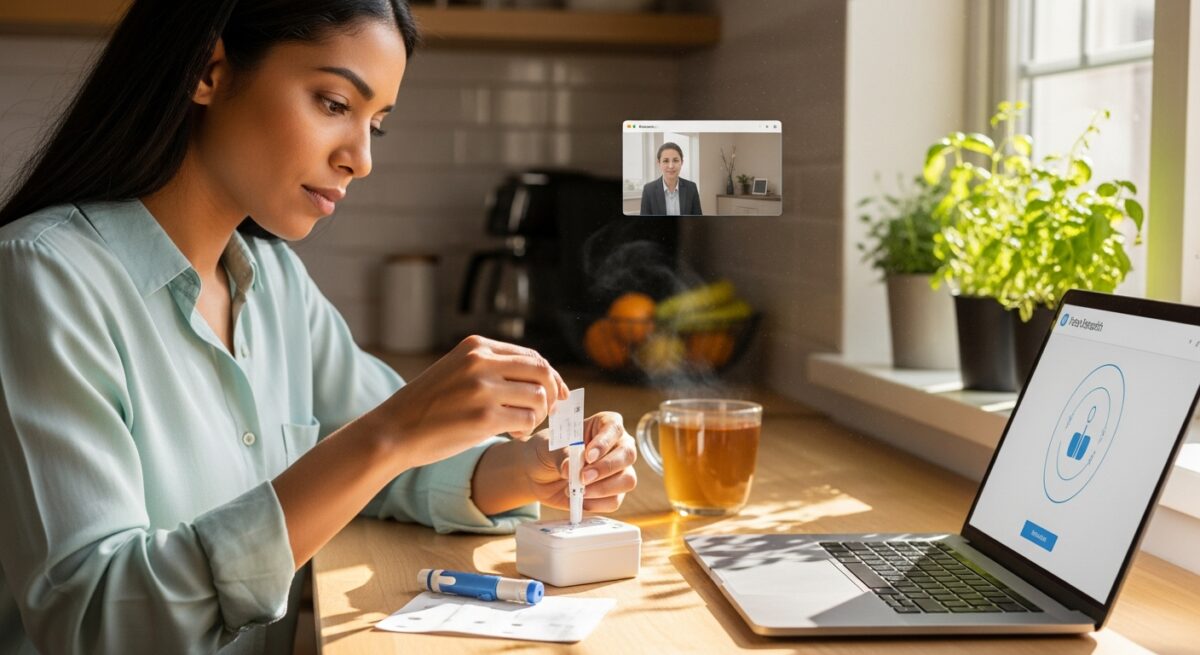
You suspect an allergy is behind your persistent sniffles, itchy skin, or digestive woes. The thought of scheduling a doctor’s appointment, taking time off work, and sitting in a waiting room feels daunting. In our modern, convenience-driven world, the promise of an allergy test at home is incredibly appealing. With a simple finger prick or hair sample, you can supposedly uncover your body’s hidden sensitivities from your kitchen counter. But before you click “buy now,” it’s crucial to understand what these kits can and cannot do, how they differ from clinical diagnostics, and the vital role of professional medical guidance in interpreting your results and crafting a safe, effective management plan. Navigating the world of direct-to-consumer health testing requires a clear-eyed view of its benefits, limitations, and appropriate use within a broader healthcare framework.
Understanding the Types of At-Home Allergy Tests
The market for home allergy testing kits is diverse, offering several methodologies that claim to identify allergens. It is essential to distinguish between them, as their scientific backing and clinical relevance vary dramatically. The most common types include immunoglobulin E (IgE) blood tests, immunoglobulin G (IgG) tests, and hair analysis tests. IgE-mediated reactions are the basis for classic, immediate-onset allergies (like peanuts or pollen), where the immune system mounts a rapid and sometimes severe response. Some reputable home kits use a finger-prick blood sample to measure allergen-specific IgE antibodies, which is a methodology similar to some tests used in clinical settings. However, the scope of allergens tested and the clinical interpretation are where significant differences arise.
In contrast, IgG testing, often marketed for food “sensitivities” or “intolerances,” is a major point of controversy. Many kits measure levels of IgG antibodies to numerous foods. Leading allergists and professional bodies, including the American Academy of Allergy, Asthma & Immunology, state that the presence of IgG is likely a marker of exposure and tolerance to a food, not intolerance. A positive IgG test does not diagnose a food allergy and can lead to unnecessary, overly restrictive diets that may cause nutritional deficiencies. Similarly, hair analysis tests for allergies lack scientific validation and are not recognized by the medical community as a diagnostic tool for allergic conditions. Understanding these fundamental differences is the first critical step in evaluating any home allergy testing kit.
The Real Benefits and Important Limitations
When used with proper expectations, home allergy testing offers distinct advantages, primarily centered on accessibility and initial awareness. For individuals in remote areas, those with demanding schedules, or anyone facing barriers to in-person care, these kits provide a starting point for health investigation. The process is private and can be completed on your own time. Collecting a sample at home may feel less stressful than a clinical visit. A test result, particularly one that shows no elevated IgE to common allergens, might offer reassurance or steer your conversation with a doctor in a new direction. The convenience factor is undeniable and aligns with the growing trend of patient-led health management.
However, the limitations are substantial and carry potential risks. First is the risk of misinterpretation. Without a clinician’s context, you may incorrectly attribute symptoms to a flagged allergen or, conversely, dismiss a true allergy because it didn’t appear on your specific panel. Home kits test for a predetermined set of allergens, which may not include the precise trigger for your symptoms. Crucially, these tests cannot assess the severity of an allergy. A mildly elevated IgE level might cause panic, while a truly life-threatening allergy requires more than a level, it requires a history and often a supervised challenge to diagnose. Most importantly, a positive test is not a diagnosis. It is a piece of data that must be integrated with your medical history, symptom diary, and a physical examination by a qualified professional. Self-diagnosing and eliminating major food groups based on a home test can be harmful.
Where Home Testing Fits in a Responsible Care Pathway
The most responsible use of a home allergy test is as an information-gathering tool within a broader, clinician-guided process. Think of it as a preliminary step, not a final destination. The ideal pathway begins with using a kit from a reputable company that uses validated IgE methodologies for a broad panel of common environmental and food allergens. Once you receive your results, you should not make drastic lifestyle changes based on them alone. Instead, you bring those results to a licensed healthcare provider. This is where telemedicine services, like those offered by Doctors Home, become incredibly valuable. You can schedule a virtual consultation to review your at-home findings alongside your detailed symptom history.
A telemedicine provider can help interpret the results in a clinical context, differentiate between allergy and intolerance, and order any necessary follow-up testing, such as a more comprehensive serum IgE test or a referral to an in-person allergist for skin prick testing or oral food challenges. They can also provide legitimate, prescription-strength treatment plans for confirmed allergies. This integrated approach, combining the convenience of initial home testing with the expertise of remote medical professionals, creates a safe, efficient, and effective model for modern allergy management. It leverages technology for access while safeguarding patient health with professional oversight.
How to Choose a Reputable Home Test Kit
If you decide to proceed with a home allergy test, selecting a credible kit is paramount. Not all products are created equal, and due diligence is required. First, look for kits that test for allergen-specific IgE, not IgG. Research the company’s background, looking for affiliations with certified laboratories (like CLIA-certified labs in the U.S.) and transparency about their testing methodologies. Read the fine print to understand exactly what allergens are included in the panel. A good kit will test for a wide range of common triggers, such as tree pollens, grasses, weeds, dust mites, mold, and a variety of foods. The company should also provide clear, educational resources alongside the results, not just a simple list of positives and negatives.
Consider the following key factors when evaluating different home allergy testing kits:
- Methodology: Opt for tests measuring IgE antibodies via blood sample. Avoid IgG and hair analysis tests for allergy diagnosis.
- Laboratory Credentials: Ensure the test is processed in a CLIA-certified or similarly accredited laboratory, which meets quality standards.
- Allergen Panel: Choose a kit with a comprehensive panel relevant to your geographic location and suspected triggers.
- Medical Support: Prefer companies that offer or facilitate access to a healthcare professional to discuss results, even if for an additional fee.
- Data Privacy: Review the company’s privacy policy to understand how your sensitive health data will be used and protected.
After receiving your results, resist the urge to self-manage. The next step is not an elimination diet but a consultation. Compile your results, note when your symptoms occur, their severity, and any potential triggers you’ve observed. This information packet is what you will discuss with a medical provider to build an accurate clinical picture and a safe, personalized action plan.
Frequently Asked Questions About At-Home Allergy Tests
Are at-home allergy test kits accurate?
The accuracy depends on the type of test. FDA-cleared home kits that measure IgE antibodies from a blood sample can be analytically accurate in detecting the presence of those antibodies. However, clinical accuracy, meaning correctly diagnosing an allergic condition, requires correlation with symptoms and medical history by a professional. A test can be “accurate” in measuring an antibody level but still not be diagnostic of a disease.
Can I use a home test to diagnose a food allergy?
No. You should never use a home test alone to diagnose a food allergy. Food allergies can be severe and life-threatening. A diagnosis requires a careful review of your history, possibly a supervised oral food challenge, and should always be done under the guidance of an allergist. An at-home test may indicate a potential sensitivity to discuss with your doctor, but it is not a definitive diagnostic tool.
How much do home allergy testing kits cost?
Prices vary widely, typically ranging from $50 to over $300, depending on the number of allergens tested and whether professional consultation is included. It’s important to note that these costs are usually paid out-of-pocket, as most insurance plans do not cover direct-to-consumer lab tests unless they are specifically ordered by a physician.
What is the difference between an allergy and an intolerance?
A true allergy involves the immune system, specifically IgE antibodies, and can cause rapid, potentially severe reactions like hives, swelling, or anaphylaxis. An intolerance (like lactose intolerance) typically involves the digestive system and causes discomfort, such as bloating or diarrhea, but is not life-threatening. Many home kits conflate these by offering IgG tests for “food sensitivities,” which are not proven to diagnose either condition reliably.
What should I do after getting my home test results?
Schedule a consultation with a healthcare provider. A telemedicine appointment is a convenient option to review your results in a clinical context. Share the full report, discuss your symptoms in detail, and work with the provider to determine the next steps, which may include confirmatory testing, a treatment plan, or a referral to a specialist. For a deeper dive into interpreting results and next steps, our guide on at home food allergy tests and their clinical use provides comprehensive information.
Empowering yourself with information is a cornerstone of modern healthcare, and home allergy testing kits can be a part of that journey. Their true value is unlocked not in isolation, but when used as a catalyst for a informed dialogue with a medical professional. By understanding their capabilities and limits, choosing reputable products, and integrating findings into a supervised care plan, you can navigate your allergy concerns safely and effectively. This hybrid model of patient-initiated testing and professional guidance represents a thoughtful, responsible approach to managing your health in the digital age.
About the Author: David Reynolds




Sign up for our newsletter and Save 20% on Test Kits
"*" indicates required fields