
Essential Post-Operative Recovery Care Services for Heart Patients
Essential Post-Operative Recovery Care Services for Heart Patients
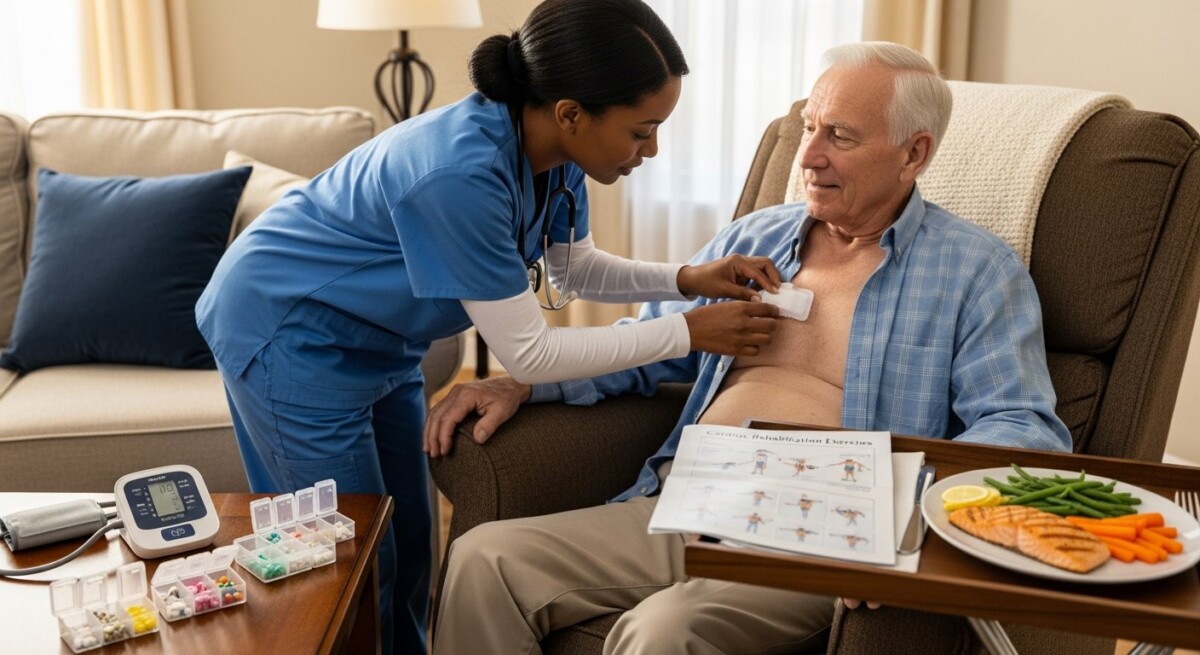
Leaving the hospital after major heart surgery, such as a bypass, valve replacement, or stent placement, marks a critical turning point. The success of the procedure now hinges entirely on the quality of care received during the weeks and months that follow. Comprehensive post-operative recovery care services for heart patients are not a luxury, they are a medical necessity designed to bridge the gap between hospital discharge and a return to a full, healthy life. This specialized continuum of care addresses the complex physical, emotional, and logistical challenges unique to cardiac recovery, aiming to prevent complications, reduce readmissions, and empower patients on their healing journey.
The Core Components of Cardiac Recovery Services
Effective post-operative care for heart surgery patients is multifaceted, integrating clinical oversight, rehabilitation, education, and emotional support. It moves beyond simple wound checks to a holistic model that treats the whole person. The primary goal is to facilitate healing while actively managing the risk factors that led to surgery in the first place. This requires a coordinated effort, often involving a team of cardiologists, cardiac nurses, rehabilitation specialists, dietitians, and mental health professionals. The services are typically tiered, beginning with intensive support immediately after discharge and gradually transitioning to more independent management as the patient gains strength and confidence.
Structured Cardiac Rehabilitation Programs
A cornerstone of recovery is enrollment in a formal cardiac rehabilitation program. These medically supervised programs are evidence-based and consist of three key elements: monitored exercise training, heart-healthy education, and counseling to reduce stress. Patients engage in tailored physical activity that safely strengthens the heart muscle and improves overall cardiovascular endurance under the watchful eye of healthcare professionals who can monitor vital signs like heart rate and blood pressure. The educational component covers vital topics such as medication management, nutritional guidance for a heart-healthy diet, and smoking cessation support. This structured environment provides a safe space for patients to rebuild their physical capacity while learning the skills for long-term disease management.
In-Home Post-Operative Care and Monitoring
The first few weeks at home present significant challenges. Patients are often weak, managing multiple new medications, and navigating activity restrictions. Professional in-home care services fill this gap seamlessly. A visiting nurse can provide essential clinical services, including monitoring vital signs, assessing the surgical incision for signs of infection, managing pain, and ensuring proper medication adherence. They act as a critical liaison, reporting any concerning symptoms, such as increased shortness of breath, swelling, or irregular heartbeats, directly to the cardiologist. Furthermore, home health aides can assist with activities of daily living, like bathing and light meal preparation, allowing the patient to conserve energy for healing. This level of in-home support is instrumental in preventing early post-discharge complications that often lead to costly and stressful hospital readmissions.
Technology-Enhanced Recovery and Remote Patient Monitoring
Modern post-operative recovery care is increasingly augmented by digital health technology. Remote Patient Monitoring (RPM) tools allow healthcare teams to track a patient’s progress daily without requiring constant office visits. Patients may use Bluetooth-enabled devices to transmit weight, blood pressure, heart rate, and blood oxygen levels to a secure portal. Algorithms can flag concerning trends, enabling proactive intervention before a minor issue becomes an emergency. This creates a continuous feedback loop and provides immense peace of mind for both patients and their families. The integration of such technology exemplifies how remote healthcare appointments are transforming patient care, offering consistent oversight and convenient communication channels that support the recovery process.
Nutritional Counseling and Medication Management
Diet and pharmacology are two pillars of sustainable cardiac health post-surgery. Dedicated nutritional counseling from a dietitian specializing in cardiac care is invaluable. They help patients understand and implement dietary changes, such as reducing sodium, saturated fats, and cholesterol, while increasing intake of fruits, vegetables, and whole grains. They provide practical meal planning strategies and label-reading guidance tailored to the patient’s specific condition, such as heart failure or hypertension. Simultaneously, meticulous medication management is non-negotiable. Patients are frequently prescribed a new regimen including blood thinners, beta-blockers, statins, and others. Care services ensure patients understand the purpose of each drug, its correct dosage, potential side effects, and the dangers of non-adherence. This dual focus on diet and medication lays the foundation for preventing future cardiac events.
Psychological Support and Lifestyle Reintegration
The psychological impact of heart surgery is profound and often underestimated. Many patients experience “cardiac depression,” anxiety, fear of another event, or post-traumatic stress. Quality recovery services include access to mental health support through counseling or support groups. Addressing these emotional hurdles is critical for motivation and overall well-being. Furthermore, care teams assist with the gradual reintegration into normal life, which includes guidance on returning to work, resuming sexual activity, and safely engaging in hobbies and social events. This comprehensive support system helps patients transition from seeing themselves as “sick” to viewing themselves as active managers of their long-term health.
Investing in professional post-operative recovery care services for heart patients is an investment in the long-term outcome of the surgery. It transforms a vulnerable and confusing period into a structured, supported pathway toward regained health. By combining clinical expertise, rehabilitative exercise, technological tools, and emotional support, these services empower patients to heal effectively, adopt healthier lifestyles, and significantly improve their quality of life for years to come. The journey back to strength is challenging, but with the right care team and services, it is a journey no patient has to make alone.
About the Author: Matthew Sullivan



Sign up for our newsletter and Save 20% on Test Kits
"*" indicates required fields