
Essential Portable Oxygen Concentrator Tips for Home Use
Essential Portable Oxygen Concentrator Tips for Home Use
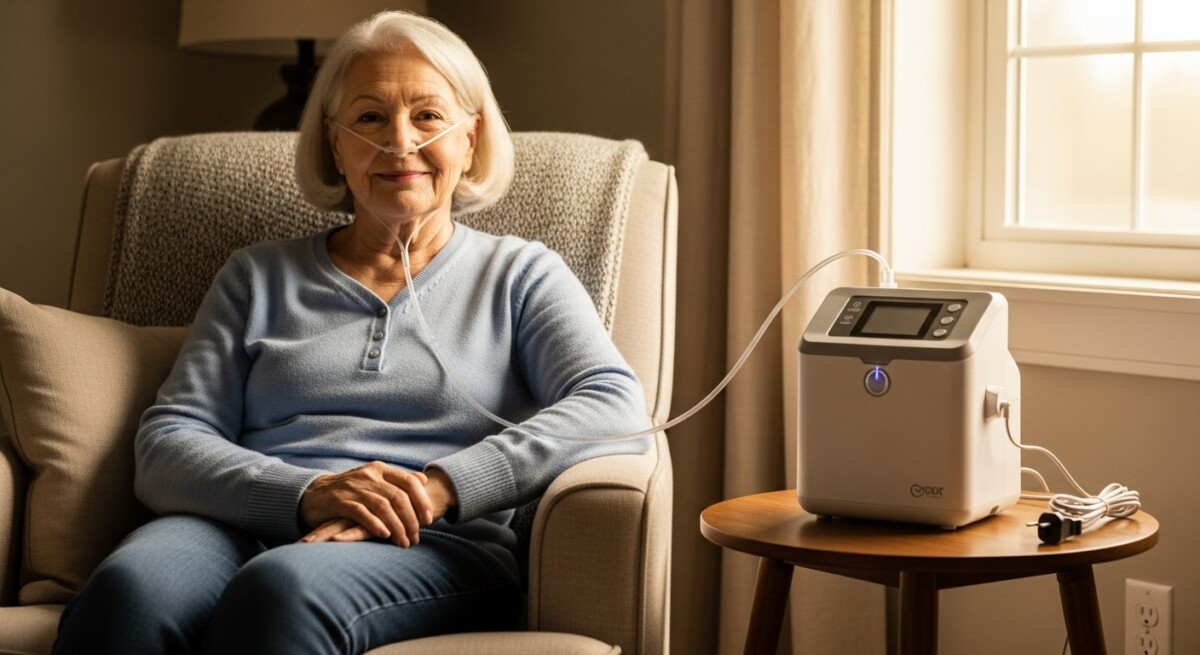
Using a portable oxygen concentrator (POC) at home offers a remarkable blend of freedom and therapeutic support for individuals managing respiratory conditions. However, transitioning this powerful piece of medical equipment from an occasional travel companion to a daily home appliance requires a specific set of strategies. To maximize its benefits, ensure safety, and extend the life of your device, a proactive approach to home use is essential. This guide provides comprehensive, actionable tips to help you integrate your POC seamlessly into your daily routine, creating a safer and more effective home oxygen therapy environment.
Creating a Safe and Efficient Home Environment
The first step to successful POC use at home is optimizing your physical space. Unlike stationary concentrators, a POC is designed for mobility, but it still requires thoughtful placement during extended use. Always ensure the device is positioned on a stable, flat surface where it will not be knocked over. Keep it at least 6 to 12 inches away from walls, furniture, and curtains to allow for proper air intake and exhaust ventilation. The filters on a POC are critical; a blocked intake can cause the unit to overheat and reduce oxygen purity.
Electrical safety is paramount. Use the manufacturer-provided power supply and avoid using extension cords whenever possible. If you must use one, ensure it is a heavy-duty cord rated for medical equipment. Designate a specific, clutter-free charging station for your POC and its spare batteries. This area should be free from liquids, direct heat sources like radiators, and flammable materials. Establishing this dedicated space not only protects your device but also ensures it is always ready when you need it, whether for moving around the house or an unexpected outing.
Mastering Daily Operation and Maintenance
Consistent, proper maintenance is the single most important factor for reliable POC performance. A neglected device can fail or deliver inconsistent oxygen levels. Your daily routine should include a visual inspection and simple cleaning. Start by checking the exterior filter, often a foam piece, for dust and debris. Most can be rinsed with cool water, air-dried completely, and reinserted. Never operate the unit without its filters. Weekly, wipe down the exterior with a soft, dry cloth. Moisture is an enemy, so never use sprays or liquids directly on the concentrator.
Beyond cleaning, understanding your settings is crucial. Your prescribed flow rate, whether continuous flow or pulse dose, is calculated for your specific medical needs. Do not adjust this setting without explicit instruction from your healthcare provider. However, you should become adept at monitoring the device’s indicators. Regularly check the alarm panel and understand what each warning light and sound means. Common alerts signal low battery, low oxygen purity, or a blockage. Familiarizing yourself with these alerts allows for quick troubleshooting and prevents interruptions in your therapy. For managing chronic conditions at home, integrating technology like a POC with remote care options can be powerful. Patients exploring telemedicine services for remote consultations can easily discuss their POC data and oxygen needs with their pulmonologist without leaving home.
Optimizing Battery Life and Power Management
One of the greatest advantages of a portable concentrator is its independence from wall power, but this relies on effective battery management. To get the most out of your batteries, adopt these key practices. First, always follow the manufacturer’s specific charging instructions. Most modern lithium-ion batteries perform best when kept between 20% and 80% charge for daily use, with a full 0% to 100% cycle performed once a month to calibrate the battery meter. Avoid leaving the battery plugged in continuously for days on end when not in use.
Second, understand how your behavior affects battery drain. Using a higher flow setting, using continuous flow mode instead of pulse dose, and operating in environments with lower ambient oxygen levels (like high altitudes) will deplete batteries faster. Plan your activities accordingly. For extended periods away from a power outlet, investing in one or more spare batteries is a necessity. A practical power management strategy for home use includes keeping one battery on the charger, one in the device, and a spare fully charged as a backup. This rotation ensures you are never without power.
Key Practices for Extending POC Battery Life
- Perform regular full discharge cycles (approximately once a month) to maintain battery meter accuracy.
- Store batteries at room temperature, away from extreme heat or cold, which permanently reduces capacity.
- Reduce screen brightness or turn off the display if your POC has one to conserve power.
- Use pulse dose settings instead of continuous flow when medically permissible and during mobility.
- Charge batteries before they are completely depleted to reduce strain on the battery cells.
Integrating Your POC into Daily Life and Routines
The ultimate goal of using a portable oxygen concentrator at home is to maintain an active, normal life. This requires integrating the device into your daily rituals. Develop a “going to bed” and “starting the day” checklist for your POC. At night, this might involve plugging in the main unit and all spare batteries, checking filter cleanliness, and placing the device in a secure spot near your bed. In the morning, verify charge levels and attach a fresh battery. Use the mobility accessories, like the carrying case or cart, to move the POC easily from room to room. This prevents strain from carrying it and reduces the risk of dropping the device.
Stay active within your home by using longer tubing, which many providers can supply. This allows you to move freely between rooms while your POC stays in a central, safe location. Pay attention to how you manage the cannula and tubing to avoid tripping hazards; use tubing holders or clips to keep it organized. Furthermore, keep a log of your usage, any alarms, and how you feel at different times. This information is invaluable for your doctor to assess the effectiveness of your therapy and make necessary adjustments to your prescription.
Ensuring Safety and Preparing for Emergencies
Safety with oxygen therapy cannot be overstated. While POCs are generally safer than oxygen tanks because they concentrate ambient air, oxygen-enriched environments still pose a fire risk. Strictly enforce a no-smoking policy anywhere near the concentrator, and post signs to remind visitors. Keep the device and your person at least five feet away from open flames, gas stoves, candles, and flammable substances like aerosol sprays or oil-based products. Have a working fire extinguisher readily accessible in your home.
Emergency preparedness is a critical component of home care. Create a backup plan for power outages. This should include knowing the battery life of your POC at your prescribed setting and having a sufficient supply of fully charged spare batteries. Consider investing in a backup power station or generator for prolonged outages. Keep a printed list of emergency contacts, including your oxygen supplier and medical provider, near your device. Inform your local power company that you use life-sustaining medical equipment; they may prioritize restoring your power in an outage and can provide advance notice of planned maintenance.
By implementing these detailed tips, you transform your portable oxygen concentrator from a mere medical device into a reliable partner for daily living. The combination of a safe environment, diligent maintenance, smart power management, and seamless routine integration empowers you to breathe easier and live more fully within your home. Always maintain open communication with your healthcare team, reporting any changes in your needs or device performance to ensure your oxygen therapy remains as effective and supportive as possible.
About the Author: Olivia Bennett



Sign up for our newsletter and Save 20% on Test Kits
"*" indicates required fields