
Essential Fall Prevention Strategies for Seniors Living Alone
Essential Fall Prevention Strategies for Seniors Living Alone
For seniors living independently, a fall is more than a momentary stumble, it is a critical event that can drastically alter the course of their lives. The statistics are sobering: falls are the leading cause of injury-related death and non-fatal trauma for older adults. The consequences of a fall extend far beyond physical injuries like hip fractures or head trauma, they can trigger a loss of confidence, a fear of activity, and a sudden, unwanted transition away from cherished independence. For those living alone, the risk is compounded by the absence of immediate help. However, this risk is not an inevitable part of aging. Through a proactive, multi-layered approach that addresses personal health, home environment, and daily habits, seniors can significantly reduce their fall risk and maintain their autonomy safely and confidently.
Understanding and Addressing Personal Risk Factors
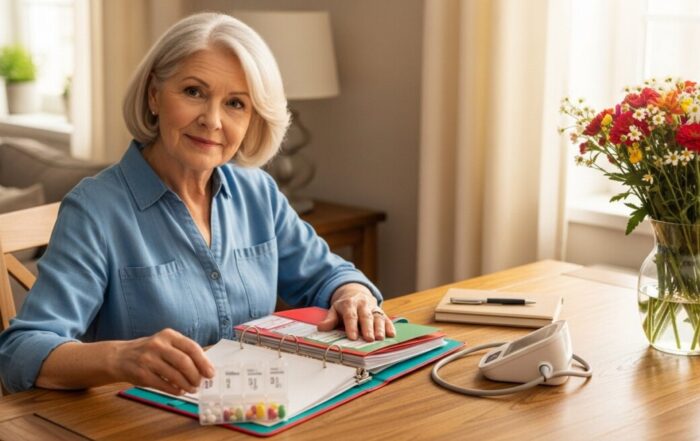
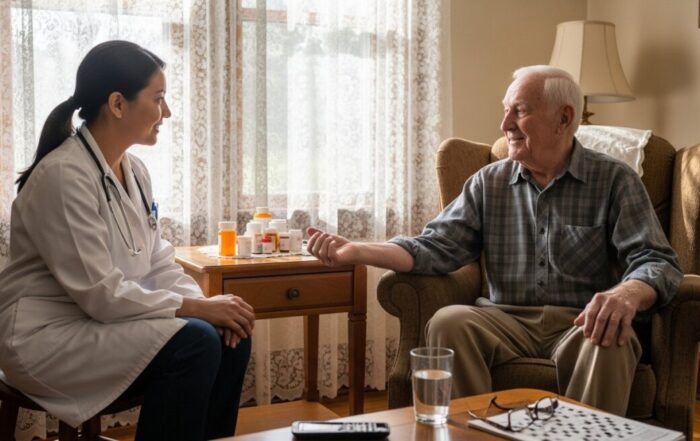
Preventing falls begins with a clear-eyed assessment of personal risk factors. Many of these factors are modifiable with the guidance of healthcare professionals. A crucial first step is scheduling a comprehensive check-up with a primary care physician. This visit should be a frank discussion about fall risk, including a review of all medications. Many common prescriptions and over-the-counter drugs, or combinations thereof, can cause side effects like dizziness, drowsiness, or low blood pressure. A medication review can identify these potential culprits. Furthermore, vision and hearing are critical sensory inputs for balance. Annual eye exams are essential to ensure prescriptions are current and to screen for conditions like cataracts or glaucoma that impair depth perception and contrast. Similarly, addressing hearing loss can improve spatial awareness.
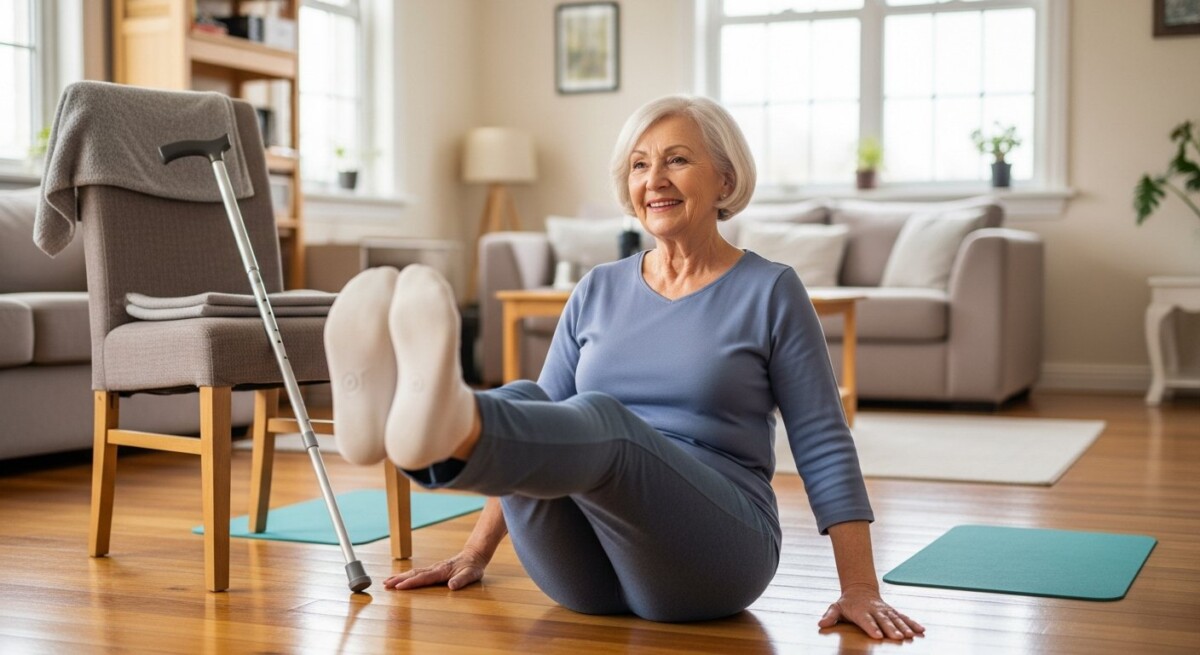
Physical conditioning is arguably the most powerful tool in fall prevention. Focus should be on four key areas: leg strength, balance, flexibility, and gait. Weak leg muscles make it difficult to recover from a trip or a slight loss of balance. Simple, safe exercises like seated leg lifts, standing heel raises, and controlled sit-to-stand movements can build foundational strength. Balance exercises, such as standing on one foot while holding a sturdy chair or practicing tandem walking (heel-to-toe), train the body’s stabilizing systems. It is vital to start these exercises under supervision, perhaps in a physical therapy session or a senior-focused fitness class like Tai Chi, which is exceptionally effective for improving balance and coordination. Foot health is another often-overlooked element. Painful feet, ill-fitting shoes, or certain foot conditions can alter gait and stability. Wearing sturdy, well-fitting shoes with non-slip soles, even indoors, is a simple yet transformative practice. Slippers or socks alone provide little support and can be slippery.
Conducting a Thorough Home Safety Audit
The home, a place of comfort, can be riddled with hidden hazards for an older adult. Transforming it into a safe haven requires a room-by-room audit with a singular focus: removing tripping hazards and adding support. The goal is to create clear, well-lit pathways and secure points of contact throughout the living space. Begin with lighting. Inadequate lighting can obscure obstacles and create shadows that distort depth perception. Install brighter bulbs, add nightlights in hallways, bedrooms, and bathrooms, and ensure light switches are easily accessible at room entrances. Consider motion-sensor lights for key areas. Flooring demands meticulous attention. Remove all throw rugs or secure them firmly with double-sided tape or a non-slip backing. Coil or tape down electrical cords along walls. Ensure carpets are firmly tacked down, and repair any uneven floorboards or transitions between floor types.
Furniture arrangement should facilitate easy movement. Create wide, clear pathways between pieces, and remove low-lying items like magazine racks or footstools from walkways. In key areas, installing grab bars and railings provides critical physical support. This is non-negotiable in the bathroom, the most dangerous room in the house. Install grab bars in the shower/tub area and next to the toilet, not towel racks, which are not designed to bear weight. A shower chair and a hand-held showerhead allow for seated bathing. Throughout the home, ensure stairways have sturdy handrails on both sides, are well-lit, and are free of clutter. For multi-story homes, strategically placing a cordless phone or mobile device on each floor prevents the need to rush to answer a call.
To systematically address these hazards, follow this room-by-room checklist as a guide:
- Living Areas: Clear clutter from floors and pathways. Arrange furniture to create wide walkways. Ensure sofas and chairs are at a height that allows easy sitting and standing.
- Bedroom: Place a lamp or light switch within easy reach of the bed. Use a nightlight. Ensure the path from bed to bathroom is clear. Consider a bed rail for assistance.
- Bathroom: Install grab bars by toilet and shower. Use non-slip mats inside and outside the tub/shower. Consider a raised toilet seat. Keep the floor dry.
- Kitchen: Keep frequently used items on lower shelves. Use a sturdy step stool with a handrail if reaching is necessary. Clean spills immediately. Ensure matting is non-slip.
- Stairs & Hallways: Install handrails on both sides of stairs. Ensure carpeting is secure. Apply non-slip strips on wooden steps. Keep hallways completely clear.
Leveraging Technology and Building a Safety Net
Modern technology offers powerful solutions to augment the safety of seniors living alone. Medical alert systems are a cornerstone of this strategy. These devices, worn as a pendant or wristband, allow the user to summon emergency help with the press of a button, even if they cannot reach a phone. Many systems now include automatic fall detection, which uses sensors to identify a fall and place a call for help without user intervention. For daily check-ins, simple routines like a morning phone call with a family member can provide reassurance. More formally, telephone reassurance programs, often run by community organizations or police departments, offer scheduled daily calls. Home automation can also play a role. Smart speakers can be used for voice-activated calls, reminders to take medication, or to control lights. Video doorbells allow seniors to see who is at the door without rushing to answer it, reducing a common fall risk.
Beyond technology, building a human support network is irreplaceable. This network includes family, friends, neighbors, and community resources. Neighbors can be enlisted for informal check-ins or to help with seasonal tasks like shoveling snowy walkways. Family members can assist with the home safety audit and help implement modifications. It is also wise to plan for emergencies. Keep a list of emergency contacts in large print by every phone and programmed into a mobile device. Discuss and practice a plan for what to do if a fall occurs: how to call for help, how to stay warm if unable to get up, and where a spare key is hidden for emergency responders.
Adopting Safe Daily Habits and Mindsets
Finally, fall prevention is woven into the fabric of daily life through conscious habits. Rushing is a major contributor to falls. Encourage a mindset of moving deliberately. Pause after standing up from a bed or chair to allow blood pressure to stabilize and avoid dizziness, a condition known as postural hypotension. When carrying items, ensure one hand is free to hold railings or steady yourself. Be extra cautious on wet or icy surfaces, and don’t hesitate to ask for assistance with tasks that feel unsteady, such as changing a light bulb or reaching for a high object. Proper nutrition and hydration also support musculoskeletal health and can prevent dizziness. Regular hearing and vision check-ups, as mentioned, must be maintained. Perhaps most importantly, staying socially and physically active combats the isolation and physical decline that increase fall risk. Engaging in group activities, whether exercise classes or social clubs, promotes strength, balance, and a positive outlook.
Preventing falls for seniors living alone is not about creating a life of limitation, but one of empowered safety. It is a continuous process that blends medical care, environmental design, technology, and mindful living. By taking these proactive, layered steps, older adults can dramatically reduce their risk, preserve their independence, and continue to enjoy the comfort and dignity of their own homes with greater confidence and peace of mind. The goal is to build a foundation of safety so strong that the fear of falling no longer dictates the boundaries of daily life.
About the Author: Amanda Lee

Sign up for our newsletter and Save 20% on Test Kits
"*" indicates required fields