
Electronic Health Record Systems Explained for Patients
Electronic Health Record Systems Explained for Patients
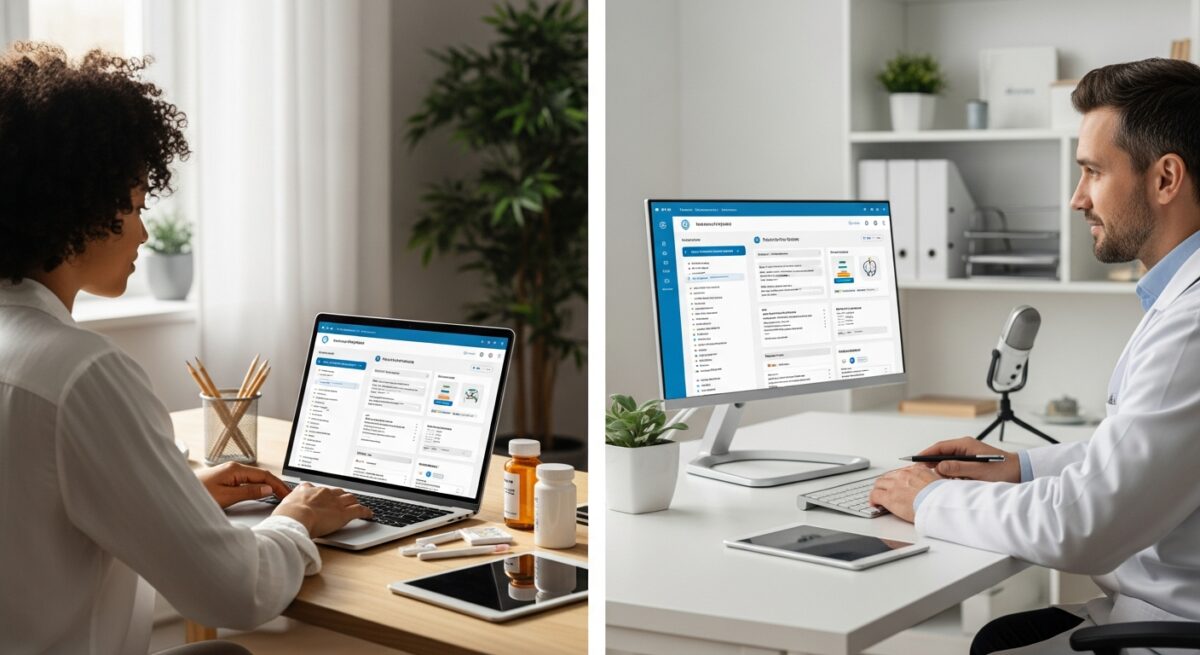
When you visit a doctor, a pharmacist, or a telemedicine provider like DoctorsHome, a detailed log of your visit is created. This log includes your symptoms, the doctor’s notes, your vital signs, lab results, and any prescriptions you receive. For decades, this information lived on paper in a manila folder. Today, it almost always lives in an electronic health record system. Understanding what this system is and how it works can help you take control of your healthcare journey, ensuring your data is accurate, private, and accessible when you need it most.
An electronic health record system is a digital version of a patient’s paper chart. But it is much more than that. It is a real-time, patient-centered record that makes information available instantly and securely to authorized users. These systems are designed to go beyond the standard clinical data collected in a provider’s office. They include a broader view of a patient’s care, including information from specialists, labs, pharmacies, and even at-home testing kits. For patients using a platform like DoctorsHome, this means that the results of your at-home test for vitamin D or a telemedicine consultation for eye allergies can be integrated into a cohesive health story.
What Makes an EHR Different From an EMR?
Many people use the terms electronic medical record (EMR) and electronic health record (EHR) interchangeably. However, the distinction matters for patients. An EMR is essentially a digital version of the paper chart you would find in a single doctor’s office. It holds the doctor’s notes and treatment history for that specific practice. It does not easily travel with you to other providers.
An electronic health record system, or EHR, is designed to share information across different healthcare organizations. If you visit a specialist, go to a lab, or use an electronic healthcare record system at a hospital, that data can flow back to your primary care provider. For patients, this interoperability is a significant advantage. It means your cardiologist can see the blood work your primary doctor ordered, and the pharmacist can see the allergy medication prescribed during a telemedicine visit. This shared view reduces duplicate testing, prevents dangerous drug interactions, and creates a more complete picture of your health.
Key Components of an Electronic Health Record System
An electronic medical health records system is not just one piece of software. It is a suite of tools that work together to manage patient care. Understanding these components helps you know what information is being stored and how it is used.
Most systems include several core modules. First, there is the clinical documentation section where providers type their notes. Second, there is a laboratory information system that tracks your blood draws and test results. Third, there is a pharmacy module that manages prescriptions. For a telemedicine platform, the system also includes a secure patient portal and a video consultation interface. When you fill out an intake form on DoctorsHome, that data enters the system and triggers a workflow for the doctor to review your case.
- Patient Demographics: Your name, address, date of birth, and contact information.
- Problem List: A running list of your diagnoses, from chronic conditions like diabetes to acute issues like a sinus infection.
- Medication List: All current and past prescriptions, including dosages and dates.
- Vital Signs: Blood pressure, heart rate, temperature, and respiratory rate recorded at each visit.
- Lab and Imaging Results: Blood tests, urine tests, X-rays, and MRI reports.
Each of these components is linked together. For example, when a doctor prescribes an antiviral for herpes virus, the system checks your medication list for potential conflicts. It then updates your problem list and sends the prescription to the pharmacy. This automation reduces errors and saves time, allowing the doctor to focus on your care rather than paperwork.
How EHRs Benefit You as a Patient
The primary goal of an electronic health record system is to improve the quality and safety of patient care. For you, this translates into several concrete benefits that make your healthcare experience smoother and more effective.
One of the most significant advantages is improved accuracy. Handwritten prescriptions and paper charts are prone to errors. A doctor’s illegible note can lead to a pharmacist dispensing the wrong drug. With an electronic system, everything is typed and standardized. When you use DoctorsHome for a prescription refill, the doctor can see your full medication history, reducing the risk of an adverse reaction.
Another benefit is accessibility. In the past, if you needed a prescription refill while traveling, you had to call your home doctor’s office and hope they could fax the order to a local pharmacy. Now, with an electronic healthcare record system, your information is available to any authorized provider. This is especially valuable for telemedicine services. You can log in from anywhere, answer a few questions, and have a doctor review your history without needing to transfer physical files.
Furthermore, EHRs empower you with data. Most systems include a patient portal where you can view your lab results, request prescription refills, and send secure messages to your provider. This transparency allows you to track your health metrics over time. For instance, if you order an at-home testing kit for cholesterol from DoctorsHome, the results can be added to your electronic record. You can then see how your levels change after dietary changes or medication, creating a feedback loop that encourages proactive health management.
Security and Privacy in the Digital Age
With all your personal health data stored in one place, it is natural to have concerns about privacy and security. The healthcare industry is heavily regulated to protect your information. In the United States, the Health Insurance Portability and Accountability Act (HIPAA) sets strict standards for how electronic health record systems must safeguard data.
An electronic health record system must use encryption to protect data both when it is stored and when it is transmitted. Access is controlled through unique usernames and passwords, and the system logs every time a record is viewed or modified. This audit trail means that if someone accesses your file without a valid reason, it can be traced. For a platform like DoctorsHome, these security measures are critical. When you submit a health form online, the information is encrypted and only the reviewing physician can see it.
Patients also have rights regarding their data. You have the right to request a copy of your electronic health record, ask for corrections, and know who has accessed your information. If you choose to use an at-home testing service, you should understand how that data will be integrated into your main record. Reputable providers will clearly explain their data-sharing policies, and you can always opt out of sharing certain information if it is not required for your treatment.
How Telemedicine Platforms Use EHRs
Telemedicine companies like DoctorsHome rely heavily on electronic health record systems to deliver care remotely. The entire model depends on the seamless flow of information between the patient, the doctor, and the pharmacy. When you start a visit by filling out an online form, that form feeds directly into the system. The doctor reviews your symptoms, medical history, and current medications before deciding on a treatment plan.
Because the system is digital, the doctor can prescribe medication with a few clicks. The prescription is sent electronically to a pharmacy that will ship the medication to your door in discreet packaging. For conditions like herpes virus or eye allergies, this process is especially valuable. Patients can receive treatment without the embarrassment or inconvenience of an in-person visit. The electronic health record system ensures that the doctor has all the context needed to make an informed decision, even without a physical examination.
In our guide on how electronic health record systems improve patient data management, we explain how this technology reduces administrative burdens and allows clinicians to spend more time on patient care. By automating data entry and retrieval, the system frees the doctor to focus on your specific needs.
Potential Challenges and How to Overcome Them
While EHRs offer many benefits, they are not without challenges. One common issue is data fragmentation. If you see multiple doctors who use different systems, your records might not talk to each other. This can lead to gaps in your medical history. To overcome this, you can request that your providers share records with each other. Many systems now support health information exchanges that bridge these gaps.
Another challenge is the learning curve for patients. Navigating a patient portal can be confusing at first. You may struggle to find test results or understand medical terminology. Most platforms offer help guides and customer support. If you use DoctorsHome, the process is designed to be simple: fill out a form, wait for a doctor review, and receive your product. The complexity of the underlying system is hidden from you, but you can always ask questions if something is unclear.
Finally, there is the concern about data breaches. No system is 100% secure, but the risk is lower with a reputable provider. Look for platforms that use multi-factor authentication and have a clear privacy policy. If you ever suspect a breach, contact the provider immediately. You can also monitor your medical bills and insurance statements for signs of fraudulent activity.
Frequently Asked Questions
What is the difference between an EHR and a patient portal?
An EHR is the full system used by healthcare providers to manage all aspects of patient care. A patient portal is a secure website that gives you limited access to your own EHR data. You can usually view lab results, request appointments, and send messages through the portal.
Can I access my electronic health record from my phone?
Yes, most modern EHRs and patient portals are mobile-friendly. Many providers also offer dedicated apps. You can log in from your smartphone to view your records, check prescriptions, and connect with your care team.
How long are my electronic health records kept?
Retention periods vary by state and provider. In general, adult medical records must be kept for at least 7 to 10 years after the last visit. Some states require longer retention. If you have questions about a specific record, contact the provider’s medical records department.
Who can see my electronic health record?
Only authorized healthcare professionals directly involved in your care can view your record. This includes your doctors, nurses, pharmacists, and lab technicians. You must give written consent before records are shared with other parties, such as insurance companies or family members.
Do I need to do anything to prepare for a telemedicine visit using an EHR?
Yes. Before your visit, make sure you have a list of your current medications and any recent test results. If you are using a platform like DoctorsHome, fill out the online form completely and accurately. This helps the doctor make the best decision for your treatment. Also, ensure you are in a private, quiet location with a stable internet connection.
Understanding electronic health record systems empowers you to be an active participant in your healthcare. These systems are the backbone of modern medicine, enabling faster, safer, and more convenient care. Whether you are visiting a primary care doctor, a specialist, or using a telemedicine service like DoctorsHome, your electronic record ensures that your health information is always available when and where it is needed. By staying informed and engaged, you can make the most of this technology to improve your health outcomes. Learn more
About the Author: David Reynolds





Sign up for our newsletter and Save 20% on Test Kits
"*" indicates required fields