
Digital Health and Medical Technologies Guide
Digital Health and Medical Technologies Guide
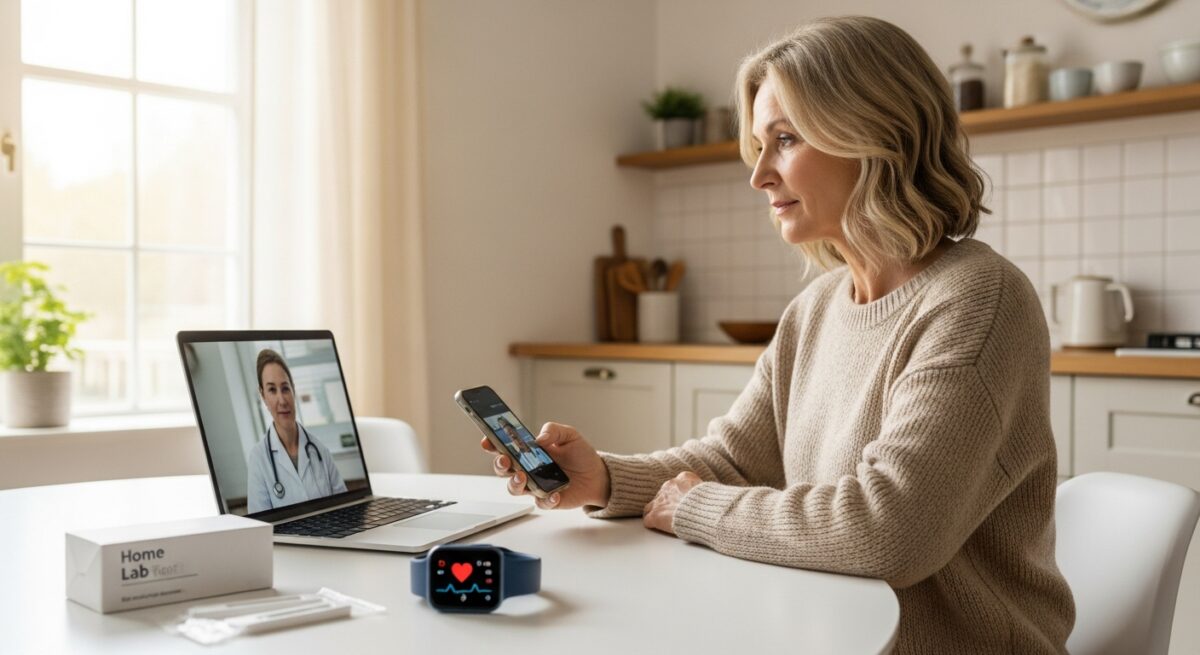
The healthcare landscape is shifting beneath our feet. For decades, seeing a doctor meant scheduling an appointment weeks in advance, sitting in a waiting room, and taking time off work. That model is giving way to something more immediate and personal. Digital health and digital medical technologies are not just futuristic concepts. They are tools you can use today to take control of your wellness. This guide walks through the core technologies reshaping medicine, from virtual consultations to at-home testing, and explains how they create a more accessible healthcare experience.
What Defines Digital Health and Digital Medical Technologies?
Digital health refers to the convergence of technology and healthcare. It includes mobile health apps, wearable devices, telemedicine platforms, and electronic health records. The goal is to make healthcare more efficient, personalized, and convenient. Digital medical technologies are the specific tools and devices that enable this shift. Think of a smartwatch that tracks your heart rate or a platform that connects you to a licensed physician via video call.
The digitization of health records has been a foundational step. Instead of paper files locked in a single clinic, your medical history can now move with you across providers. This reduces redundant tests and helps doctors make better informed decisions. The digitalization medical field also extends to diagnostics. At-home testing kits allow you to collect samples for lab analysis without leaving your house. These innovations are particularly valuable for people managing chronic conditions or those who live far from a clinic.
For a deeper look at how patient data management is evolving, read our guide on Digital Health Records: Transforming Patient Data Management. This resource explains the systems that make seamless care possible.
Telemedicine as a Core Digital Medical Technology
Telemedicine is perhaps the most visible application of digital health. It allows you to consult with a healthcare professional remotely using your smartphone, tablet, or computer. This technology has grown rapidly because it solves a real problem: access. Many people cannot easily visit a doctor due to distance, work schedules, or mobility issues. Telemedicine removes those barriers.
Platforms like DoctorsHome offer a streamlined process. You fill out a brief online form describing your symptoms or needs. A licensed provider reviews your information and determines the best course of action. If appropriate, they can prescribe medication or order an at-home test kit. The prescription or kit is then delivered to your door in discreet packaging, typically within two to five business days. This model is especially effective for conditions like herpes virus and eye allergies, where ongoing management is important.
How Telemedicine Fits Into Your Daily Life
Telemedicine is not just for emergencies. It works well for routine follow-ups, prescription refills, and minor illnesses. For example, if you have seasonal allergies that flare up each spring, a quick virtual visit can get you a prescription for antihistamine eye drops without the wait. Similarly, if you need a refill for a maintenance medication, an online consultation saves you a trip to the clinic.
The convenience extends to at-home medical testing. DoctorsHome offers a wide range of testing kits covering COVID-19, male hormone levels, female fertility, STDs/STIs, hepatitis B and C, vitamin deficiencies (B12, D, Folate), cortisol, cholesterol, kidney function, celiac disease, iron levels, omega-3, thyroid function, liver health, colon cancer screening, Lyme disease, C-reactive protein, and diabetes. After ordering a kit, you collect a sample at home and mail it to a lab. Results are shared with you and your doctor, enabling informed treatment decisions.
Key Benefits of Adopting Digital Medical Technologies
Understanding the benefits helps clarify why digital health is more than a passing trend. Here are the primary advantages that patients and providers experience:
- Convenience and Time Savings: You avoid travel, waiting rooms, and scheduling conflicts. A virtual visit can take as little as 15 minutes from start to finish.
- Lower Costs: Telemedicine visits often cost less than in-person appointments. At-home testing reduces lab visit fees and transportation expenses.
- Greater Access to Specialists: You can consult with providers who may not be available in your local area. This is critical for rural communities or regions with doctor shortages.
- Enhanced Privacy and Discretion: Services like DoctorsHome emphasize confidential care. Prescriptions and test kits arrive in unmarked packages, and your health information is protected by encryption.
- Continuity of Care: Digital records and telemedicine platforms make it easier to maintain a consistent relationship with your provider, even if you move or travel frequently.
These benefits are not theoretical. Patients using telemedicine for chronic conditions report higher satisfaction and better adherence to treatment plans. The ability to check in with a doctor quickly can prevent small issues from becoming serious problems.
The Role of At-Home Testing in Digital Health
At-home testing is a rapidly growing segment of digital medical technologies. It empowers you to monitor your health proactively without relying solely on annual physicals. The process is simple. You select a test from a reputable provider, collect a sample (usually blood, saliva, or urine), and send it to a certified laboratory. Results are available online within a few days.
This approach is particularly useful for tracking biomarkers over time. For instance, if you are managing a thyroid condition, regular at-home testing lets you see how your levels change between doctor visits. If you are concerned about vitamin D deficiency, a simple finger-prick test can confirm your status before you commit to supplements. The digitalization medical field has made these tests accurate and reliable, with many meeting clinical standards used in hospitals.
DoctorsHome integrates at-home testing with telemedicine. After you receive your results, you can schedule a virtual consultation to discuss them with a licensed provider. This creates a closed loop of care: test, consult, treat, and monitor. It removes the guesswork from health management and puts actionable data in your hands.
Privacy and Security in Digital Healthcare
When you share health information online, trust is essential. Digital health platforms must comply with strict regulations like HIPAA in the United States. This means your data is encrypted during transmission and storage. Providers like DoctorsHome take additional steps to ensure confidentiality. Their packaging is discreet with no indication of the contents. They do not require a signature for delivery, so packages can be left in a secure location.
You should always verify that a telemedicine service uses secure connections and has a clear privacy policy. Look for HTTPS in the website URL and read how they handle your information. Reputable services will never share your data without your consent. The digitization of health records actually improves security in many ways. Electronic systems have audit trails, so you can see who accessed your records and when. This level of transparency is harder to achieve with paper files.
Practical Steps to Start Using Digital Health Services
If you are new to digital health, the process can feel unfamiliar. But it is designed to be intuitive. Here is a step-by-step approach to getting started:
- Identify Your Need: Determine what you want to address. Is it a new symptom, a prescription refill, or a routine health screening?
- Choose a Platform: Select a service like DoctorsHome that aligns with your needs. Check that they offer consultations for your specific condition and that their testing kits cover what you require.
- Complete the Intake Form: Provide accurate information about your medical history and current symptoms. This helps the provider make a safe and effective decision.
- Consult with a Provider: Depending on the platform, you may have a live video call or an asynchronous review. DoctorsHome uses a doctor review model where a licensed professional evaluates your form.
- Receive Your Prescription or Test Kit: If approved, the medication or kit is shipped to your address. Follow the instructions carefully. For testing, collect your sample and return it using the prepaid mailer.
- Follow Up: If you receive test results, review them with your provider. Adjust your treatment plan as needed.
This process is designed to be completed from your home. You do not need to take time off work or arrange childcare. The entire experience respects your schedule and privacy.
Frequently Asked Questions
Is telemedicine as effective as an in-person visit?
For many conditions, telemedicine is equally effective. Studies show that virtual consultations for common illnesses, medication management, and follow-up care produce outcomes similar to in-person visits. However, physical exams are sometimes necessary. Your provider will advise if an in-person visit is needed.
Are at-home test kits accurate?
Yes, when used correctly. Most at-home tests use the same laboratory analysis as tests performed in a clinic. The key is to follow the collection instructions precisely. Reputable providers like DoctorsHome partner with certified labs to ensure reliability.
How long does it take to get results from an at-home test?
Typical turnaround is 2 to 5 business days after the lab receives your sample. Some results may be available sooner depending on the test type. You will receive notification when your results are ready.
Can I get a prescription without a video call?
Some platforms, including DoctorsHome, use a doctor review model. You fill out a detailed form, and a licensed provider reviews it. If they determine treatment is appropriate, they can issue a prescription. This works well for straightforward conditions like herpes virus or eye allergies.
What if I have a complex medical condition?
Digital health is best suited for non-emergency, routine, or chronic care management. If you have a complex or urgent condition, you should seek in-person care. Telemedicine can still play a supportive role by coordinating with your primary care physician.
Integrating Digital Health Into Your Wellness Routine
The most effective way to use digital medical technologies is as part of a broader health strategy. Combine virtual consultations with regular at-home testing to stay ahead of potential issues. For example, if you have a family history of heart disease, you can monitor your cholesterol and C-reactive protein levels from home. If numbers trend upward, you can schedule a telemedicine visit to discuss lifestyle changes or medication.
This proactive approach shifts the focus from treating illness to maintaining wellness. The digitization of health records ensures that all your data is available to your providers, creating a complete picture of your health over time. When you need a specialist, the records can be shared instantly, avoiding the delays of faxing paper files.
Digital health also supports better communication with your doctor. You can send messages through secure portals, share symptom logs, and ask questions between visits. This ongoing connection reduces the chance of misunderstandings and helps you stick with treatment plans.
The future of healthcare is not just in hospitals and clinics. It is in your hands, on your phone, and in your home. Digital health and digital medical technologies are making that future a reality today. By understanding what these tools offer and how to use them, you can take an active role in managing your health with confidence and convenience.
For more information on specific conditions and treatment options, explore the resources available at DoctorsHome. Whether you need a prescription for herpes virus, relief from eye allergies, or a comprehensive at-home testing kit, the platform provides a secure and efficient pathway to care. The digitalization medical field continues to evolve, and staying informed is the best way to benefit from these advances. If you are considering financing options for healthcare expenses, you might find helpful information at car loan refinancing to free up budget for wellness investments.
Digital health puts you in the driver’s seat. With the right tools and a trusted provider, you can navigate your health journey with greater ease and confidence than ever before.
About the Author: Daniel Brooks





Sign up for our newsletter and Save 20% on Test Kits
"*" indicates required fields