
Doctor Home Visits Near Me: Are They Still Available
Doctor Home Visits Near Me: Are They Still Available
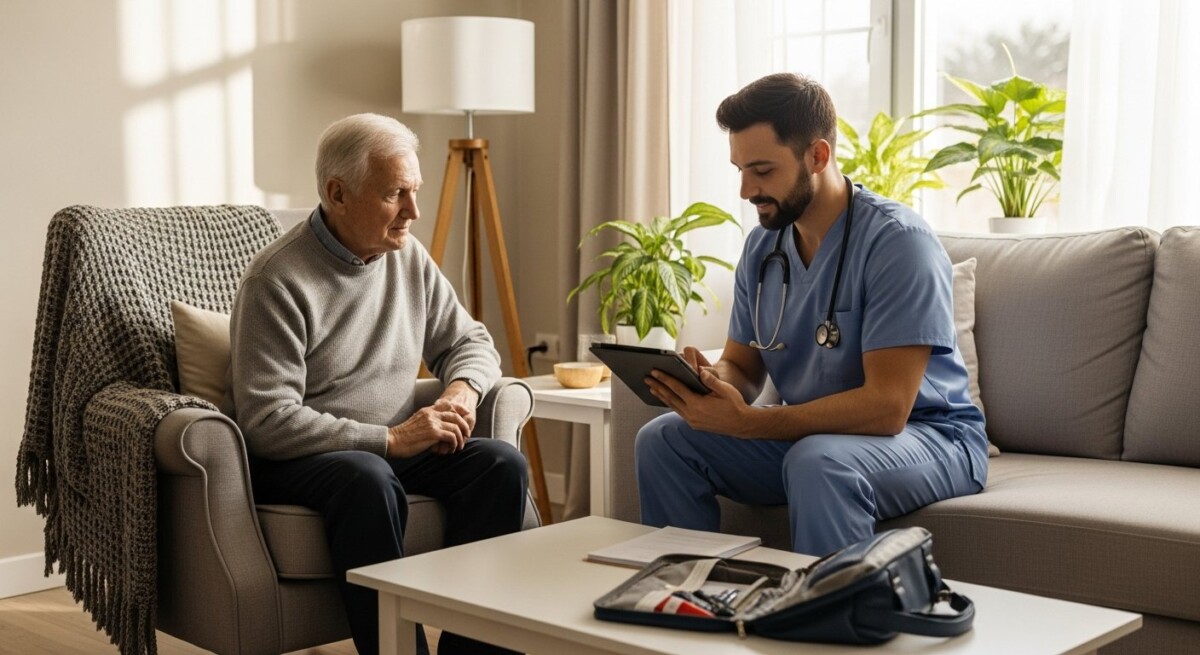
The question of whether doctor home visits are still available is more relevant today than ever. Many people assume this service vanished with black bags and house calls from the 1950s. In reality, house call medicine has not only survived but evolved into a modern, tech-enabled healthcare option. Patients who face mobility challenges, chronic conditions, or simply prefer the comfort of their own living room are discovering that a physician can still arrive at their doorstep. This guide explores the current state of house call medicine, how to find a provider, what to expect during a visit, and why this old-fashioned model is making a meaningful comeback.
The Resurgence of House Call Medicine
House calls declined sharply after the 1970s due to the rise of centralized clinics, efficient imaging centers, and insurance reimbursement structures that favored office-based care. However, a convergence of factors has revived the practice. An aging population, the burden of managing multiple medications, and the proven benefits of observing a patient in their home environment have all contributed to a renewed interest. Today, organizations such as the American Academy of Home Care Medicine report that thousands of physicians across the United States offer some form of in-home primary care or urgent care. This is not a niche service. It is a growing movement that combines old-fashioned bedside manner with modern diagnostic tools like portable ultrasound and telemedicine carts.
What Drives the Demand for In-Home Care
Several key demographics fuel the demand. Older adults, especially those over 75, often find traveling to a clinic exhausting and risky. Parents with young children value the convenience of avoiding a waiting room filled with other sick patients. Patients recovering from surgery or managing a chronic illness like congestive heart failure benefit from a clinician who can see the home environment, check for fall hazards, and verify medication adherence. Additionally, the COVID-19 pandemic accelerated acceptance of remote and in-home care, as patients sought to minimize exposure to crowded clinics. The result is a healthcare landscape where the answer to “doctor home visits near me are they still available” is a definitive yes.
How to Find a Doctor Who Makes House Calls
Finding a provider who offers in-home visits requires a strategic approach. Not all physicians advertise this service prominently, so you may need to use specific search terms and resources. Start by searching online with phrases like “house call doctor near me” or “primary care home visit physician.” You can also use specialized directories maintained by organizations focused on home care medicine. Before booking, verify that the provider is licensed in your state and accepts your insurance plan. Some house call practices operate as concierge or direct primary care models, which charge a monthly or annual fee for unlimited access. Others bill Medicare, Medicaid, or private insurance on a per-visit basis.
- Check the American Academy of Home Care Medicine’s provider directory for vetted house call doctors.
- Contact your health insurance company and ask for a list of in-network providers who offer home visits.
- Ask your primary care physician if they can recommend a local house call practice or if they offer home visits themselves.
- Search for “mobile physician services” or “house call urgent care” in your area. Some companies specialize in same-day visits for acute issues like infections or minor injuries.
- Look for community health centers or home health agencies that employ nurse practitioners or physicians for home-based primary care.
Once you identify a candidate, call and ask specific questions. Inquire about the types of conditions they treat, the geographic area they cover, and what happens if you need a specialist referral or diagnostic imaging. Most house call doctors have relationships with local labs and imaging centers, so you can still get blood work or an X-ray without visiting the hospital. For a deeper look at how remote care options complement in-home visits, we have a complete guide to virtual doctor visits that explains how these two models work together to provide comprehensive care.
What Happens During a Modern House Call
A contemporary house call is far more sophisticated than simply a stethoscope and a prescription pad. The physician arrives with a portable medical kit that includes diagnostic tools such as a blood pressure cuff, pulse oximeter, otoscope, and often a handheld ultrasound device. They can perform a thorough physical exam, conduct an EKG, collect blood or urine samples, and even stitch a small wound. The visit typically lasts 30 to 60 minutes, which is longer than the average 15-minute office appointment. This extended time allows the doctor to truly listen, understand the patient’s social and environmental context, and develop a care plan that is realistic for that specific home setting.
The physician will review all medications, checking for outdated prescriptions, potential interactions, and whether the patient is taking them correctly. They will assess the home for safety issues such as poor lighting, loose rugs, or inaccessible bathrooms that could lead to falls. If the patient has a caregiver, the doctor can train that person on how to manage the patient’s condition. After the visit, the physician sends a summary to the patient’s primary care provider (if different) and arranges follow-up care. This comprehensive approach often reduces hospital readmissions and emergency room visits, which is why many insurance plans now support house calls as a cost-effective alternative.
Insurance Coverage and Costs for House Calls
One of the most common concerns about house calls is cost. The perception is that having a doctor travel to your home must be expensive. In many cases, this is not true. Medicare Part B covers home visits for patients who meet the criteria of being “homebound,” which means they have a condition that makes leaving home medically contraindicated or requires considerable effort. Medicaid also covers home visits in many states. Private insurance plans increasingly include house call benefits, especially for chronic disease management or post-hospital follow-up. However, coverage varies widely, so you must verify before scheduling.
If you do not have insurance or your plan does not cover house calls, you can still access this service through direct pay models. The cost of a house call typically ranges from $150 to $400 depending on the provider’s credentials, the complexity of the visit, and your location. Some concierge practices charge an annual fee of $1,500 to $5,000, which covers unlimited home visits and 24/7 phone access. While this sounds steep, for patients with complex needs, it can be more affordable than multiple urgent care copays or emergency room deductibles. Always ask for a detailed price estimate before the first visit.
Conditions That a House Call Doctor Can Treat
House call physicians are not limited to simple colds and flu. They can manage a wide range of acute and chronic conditions. For acute issues, they handle upper respiratory infections, urinary tract infections, skin rashes, minor burns, sprains, and gastroenteritis. For chronic conditions, they manage hypertension, diabetes, heart failure, COPD, arthritis, dementia, and depression. Some house call providers also offer palliative care and end-of-life support, helping patients remain comfortable at home rather than in a hospital. If a condition requires a specialist, the house call doctor coordinates the referral and ensures continuity of care.
However, there are limits. House call doctors are not equipped for major trauma, acute stroke, or heart attack. They cannot perform surgery or complex procedures. In an emergency, they will call 911 and stabilize the patient until paramedics arrive. They also cannot provide 24-hour nursing care. For patients who need round-the-clock monitoring, a home health agency with skilled nurses is a better fit. Understanding these boundaries helps you use house calls appropriately and avoid disappointment.
How Telemedicine Complements In-Home Visits
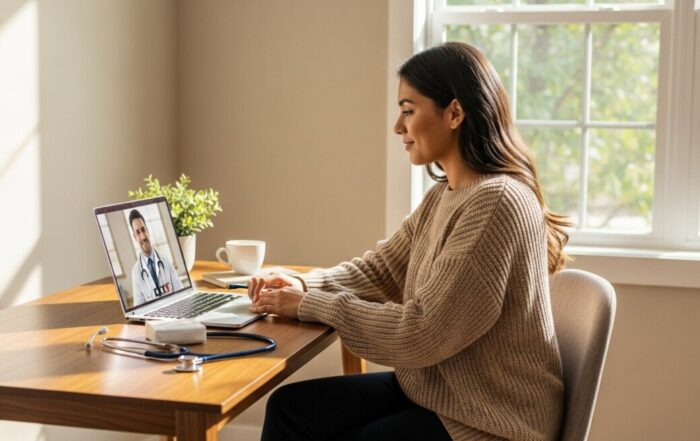
Many house call practices integrate telemedicine into their service model. After an initial in-home visit, follow-up appointments may be conducted via video call for medication management or routine check-ins. This hybrid approach reduces the need for repeated travel while maintaining the strong relationship built during the physical visit. Some practices even offer “tele-triage,” where a nurse or physician assistant assesses the patient remotely and decides whether an in-person house call is necessary. This combination of virtual and in-person care creates a flexible, patient-centered system that can adapt to changing needs.
Challenges Facing House Call Medicine Today
Despite its growth, house call medicine faces several hurdles. Reimbursement rates from Medicare and insurance companies are often lower than office-based visits, which discourages some physicians from offering the service. The time and cost of travel limit the number of patients a doctor can see in a day, making it difficult to achieve the same volume as a clinic. Rural areas, where the need is often greatest, have the fewest house call providers due to long distances between patients. Additionally, not all physicians are trained to work in the unstructured home environment, where distractions and safety concerns can arise.
Technology is helping to address some of these challenges. Portable diagnostic devices, electronic health records that sync across settings, and scheduling software that optimizes travel routes all improve efficiency. Some companies have launched subscription-based house call services that use nurse practitioners and physician assistants to extend the reach of supervising physicians. These innovations are making house calls more sustainable and scalable, but they cannot fully replace the need for robust healthcare policy that supports home-based care.
Is a House Call Right for You or Your Loved One
Deciding whether to pursue house call medicine depends on several factors. The clearest candidates are individuals who are homebound due to illness, disability, or lack of transportation. If leaving home requires an ambulance or causes severe pain or anxiety, a house call is likely the best option. However, even patients who can travel may choose house calls for the convenience, privacy, and unhurried attention. Parents with multiple young children, busy professionals, and anyone who dreads the sterile clinic environment may find house calls a welcome alternative.
On the other hand, patients who need frequent diagnostic imaging, same-day lab results, or access to a multidisciplinary team may still need a clinic or hospital. House calls are not a replacement for all healthcare. They are a specialized tool that works best when integrated with other services. If you are considering a house call, start with a single visit to see how it feels. Many patients find that the quality of the interaction and the depth of the assessment far exceed what they experience in a rushed office appointment.
The Future of House Calls
The trajectory of house call medicine points upward. As technology improves and the population ages, more healthcare systems are investing in home-based care models. Value-based reimbursement, which rewards outcomes rather than volume, aligns perfectly with the house call approach, because it reduces costly hospitalizations. We are likely to see more partnerships between traditional health systems and house call startups, as well as expanded training programs that teach future physicians how to practice in the home. The question “doctor home visits near me are they still available” will increasingly be answered with not just a yes, but with multiple high-quality options.
For now, the most important step is to start the conversation. Talk to your current doctor about your interest in home visits. Search online directories, call your insurance company, and ask friends or family for recommendations. The service exists, and it is waiting for patients who value the dignity, comfort, and thoroughness that only a visit to the home can provide. Whether you are caring for an aging parent, managing your own chronic condition, or simply tired of waiting rooms, a house call doctor can bring the care you need directly to your door.
About the Author: Sarah Thompson




Sign up for our newsletter and Save 20% on Test Kits
"*" indicates required fields