
Discreet At Home STD Test Kits: Privacy, Accuracy, and Convenience
Discreet At Home STD Test Kits: Privacy, Accuracy, and Convenience
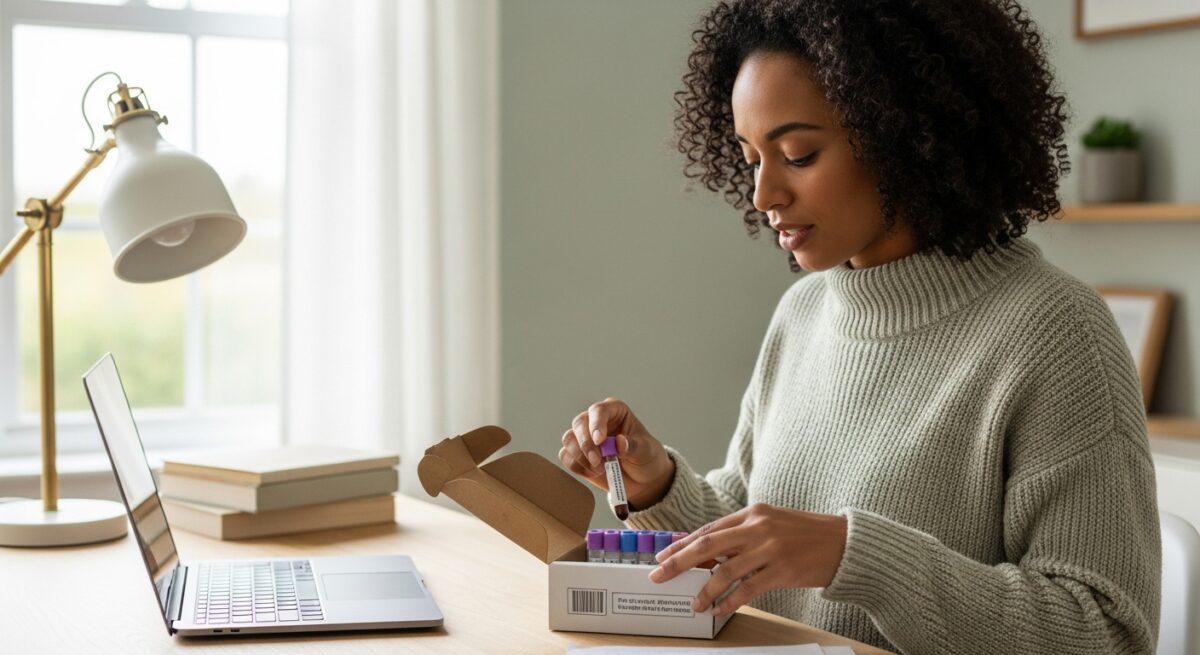
For many, the thought of scheduling a clinic visit for sexually transmitted disease (STD) testing is daunting. Concerns about privacy, time, and potential discomfort can lead to unnecessary delays in crucial health screenings. This is where discreet at home STD test kits have transformed the landscape of sexual wellness. These kits offer a private, convenient, and often more accessible pathway to understanding your health status, empowering individuals to take control without the traditional barriers. By delivering laboratory-grade testing directly to your doorstep, they bridge a critical gap in preventive healthcare, making regular screening a realistic part of a healthy lifestyle for sexually active adults.
Understanding How At Home STD Test Kits Work
The process behind a discreet at home STD test kit is designed for simplicity and scientific rigor. It is not a rapid, over-the-counter test, but rather a sample collection kit that connects you to certified laboratories. When you order a kit from a reputable provider, it arrives in plain, unmarked packaging, preserving your privacy from the moment it leaves the warehouse. Inside, you will find all the necessary components for sterile sample collection, which varies by the infections being screened. Common samples include a simple finger-prick blood drop, a urine sample, or a gentle swab from the affected area (like a vaginal or oral swab). Detailed, step-by-step instructions guide you through the process to ensure a proper sample is collected.
Once you have collected your sample, you securely package it in the provided pre-paid return envelope and mail it to the partner laboratory. The lab then processes your sample using the same advanced diagnostic technologies, such as PCR (Polymerase Chain Reaction) or immunoassays, used by doctors’ offices and clinics. This is a key distinction: the “at-home” aspect refers only to the sample collection, not the analysis. The results are then compiled into a clear, confidential report, typically delivered via a secure online portal within a few days. Many services, including platforms like Doctors Home, integrate these results with follow-up care, offering telehealth consultations with licensed medical professionals to discuss your results, answer questions, and, if necessary, discuss treatment options or prescriptions, all from the privacy of your home.
The Core Benefits of Discreet Home Testing
The advantages of using an at home std test kit discreet extend far beyond mere convenience. They address significant psychological and logistical hurdles that prevent people from getting tested regularly. The foremost benefit is, unsurprisingly, discretion. The entire process minimizes exposure and potential embarrassment. There is no sitting in a public clinic waiting room, no potentially awkward conversations with a receptionist, and the billing description is often vague. This privacy can be particularly valuable for individuals in small communities, those on parents’ insurance plans, or anyone who values confidentiality in their healthcare journey.
Convenience is another major factor. Testing fits into your schedule, not the other way around. You can order the kit online at any time, collect the sample when you are ready, and mail it back without taking time off work or arranging transportation. This eliminates common excuses and makes it easier to test after potential exposure or as part of a routine check-up. Furthermore, for many, it reduces anxiety. Being in a familiar, controlled environment can make the sample collection process less stressful than a clinical setting. The empowerment that comes from proactively managing your health on your own terms cannot be overstated. It shifts the dynamic from a reactive, potentially scary clinic visit to a proactive, self-directed health action.
Accuracy and Reliability Considerations
A legitimate concern for anyone considering this option is accuracy. It is crucial to choose a service that uses CLIA-certified laboratories. CLIA (Clinical Laboratory Improvement Amendments) certification is a federal standard that ensures laboratories meet high quality standards for testing. When you use a kit from a provider that partners with such labs, the analytical accuracy is equivalent to tests ordered in a doctor’s office. The variable factor is user error during sample collection. This is why clear instructions and proper kit design are paramount. Reputable companies design their kits to minimize this risk. If a sample is insufficient or contaminated, the lab will notify you and typically send a replacement kit at no extra charge. For ultimate peace of mind, look for services that offer confirmatory testing for positive results, which is a standard best practice in all medical testing.
Choosing the Right Test Kit for Your Needs
Not all at home STD test kits are the same. They differ in the panel of infections they screen for, the sample collection methods, the speed of results, and the support offered afterward. Your choice should be guided by your specific circumstances, including your sexual history, any symptoms you may be experiencing, and your primary concerns. The most basic kits might test for one or two common infections, like chlamydia and gonorrhea, while comprehensive panels can screen for 8 or more, including HIV, syphilis, hepatitis, herpes simplex virus (HSV), and trichomoniasis. Some kits are designed for specific needs, such as tests for men who have sex with men (MSM) or panels focused on common vaginal infections.
Before selecting a kit, consider the following key factors to ensure you get a product that is safe, accurate, and useful for your situation. A thoughtful evaluation will lead you to the most appropriate and reliable testing solution.
- Test Panel: Identify which STDs you need to screen for based on risk factors and potential exposure. A broader panel is often recommended for a general screening.
- Laboratory Credentials: Verify the kit uses a CLIA-certified lab. This information is usually prominently displayed on the provider’s website.
- Medical Support: Determine if the service includes a review by a healthcare professional and options for telehealth consultation if you test positive or have questions.
- Cost and Insurance: Understand the total price and whether the service can provide an itemized receipt for you to submit to your insurance for possible reimbursement. Some services, like Doctors Home, integrate testing with accessible telemedicine care.
- Turnaround Time: Check the estimated time from sample receipt at the lab to result delivery, which can range from 24 hours to 5 business days.
It is also wise to research the company’s privacy policy in detail. Ensure they have strict data protection measures and understand how your health information will be used and protected. A legitimate service will never sell your personal health data.
Integrating Home Testing into Your Health Routine
Discreet at home STD test kits are a powerful tool, but they are most effective when used as part of a broader approach to sexual health. They are ideal for routine screening for asymptomatic individuals, testing after a potential exposure (following the appropriate window period for each infection), and for partners entering a new monogamous relationship who wish to test together. However, they are not a substitute for immediate medical care if you are experiencing acute symptoms like pain, unusual discharge, or sores. In such cases, you should seek in-person medical attention promptly.
Regular screening is a cornerstone of sexual wellness. The Centers for Disease Control and Prevention (CDC) provides guidelines on how often different groups should be tested for various STDs. For example, sexually active women under 25 and older women with new or multiple partners should get tested for chlamydia and gonorrhea yearly. All adults and adolescents from ages 13 to 64 should be tested at least once for HIV. Having access to a discreet at home std test kit makes adhering to these guidelines significantly easier. It allows you to take responsibility for your health proactively, between regular check-ups with your primary care provider. The results from these tests provide valuable information that you can then discuss with your partner or your doctor, facilitating open conversations about sexual health.
Addressing Common Questions and Concerns
Despite their growing popularity, many people still have questions about the legitimacy and use of these kits. Here are answers to some of the most frequently asked questions.
Frequently Asked Questions
Are at-home STD test kits as accurate as clinic tests?
Yes, when the sample is collected properly and sent to a CLIA-certified laboratory, the analytical accuracy is the same. The lab technology is identical. The main variable is user error during collection, which is why following instructions carefully is critical.
How discreet is the billing and packaging?
Reputable companies ship kits in plain, unbranded boxes or envelopes. The return label is addressed to the laboratory, not a company name like “STD Test Inc.” Billing descriptors on your credit card statement are typically vague, such as “DH Wellness” or similar, not explicitly stating the nature of the purchase.
What happens if my test result is positive?
This is where integrated telemedicine services become invaluable. Many providers include a consultation with a licensed healthcare professional to review positive results. They can explain the diagnosis, discuss treatment options, and, where appropriate and allowed by law, prescribe medication directly to your pharmacy. For example, services like Doctors Home connect your test results to accessible follow-up care.
Can I use my insurance to pay for an at-home kit?
This varies. Some services work directly with insurance, but many operate on a direct-to-consumer, cash-pay model. However, most will provide you with a detailed receipt or a “superbill” that you can submit to your insurance company for possible reimbursement under your plan’s out-of-network laboratory benefits. You should contact your insurer beforehand to understand your coverage.
When should I NOT use an at-home test kit?
You should seek immediate in-person medical care if you have severe symptoms (like pelvic pain, fever, or rash), believe you have had a recent high-risk exposure to HIV (where PEP, Post-Exposure Prophylaxis, may be needed within 72 hours), or require immediate treatment. Home kits are for screening and stable situations.
The evolution of discreet at home STD test kits represents a significant step forward in patient-centered care. By removing stigma, reducing logistical friction, and maintaining high clinical standards, they empower individuals to prioritize their sexual health proactively. In a digital healthcare landscape, these tools, especially when coupled with supportive telemedicine services, create a seamless, private, and effective pathway from testing to treatment, ultimately contributing to better public health outcomes through increased screening rates.
About the Author: Matthew Sullivan



Sign up for our newsletter and Save 20% on Test Kits
"*" indicates required fields